


Semaglutide and Glucose Regulation: Understanding Its Effects Beyond Blood Sugar Control
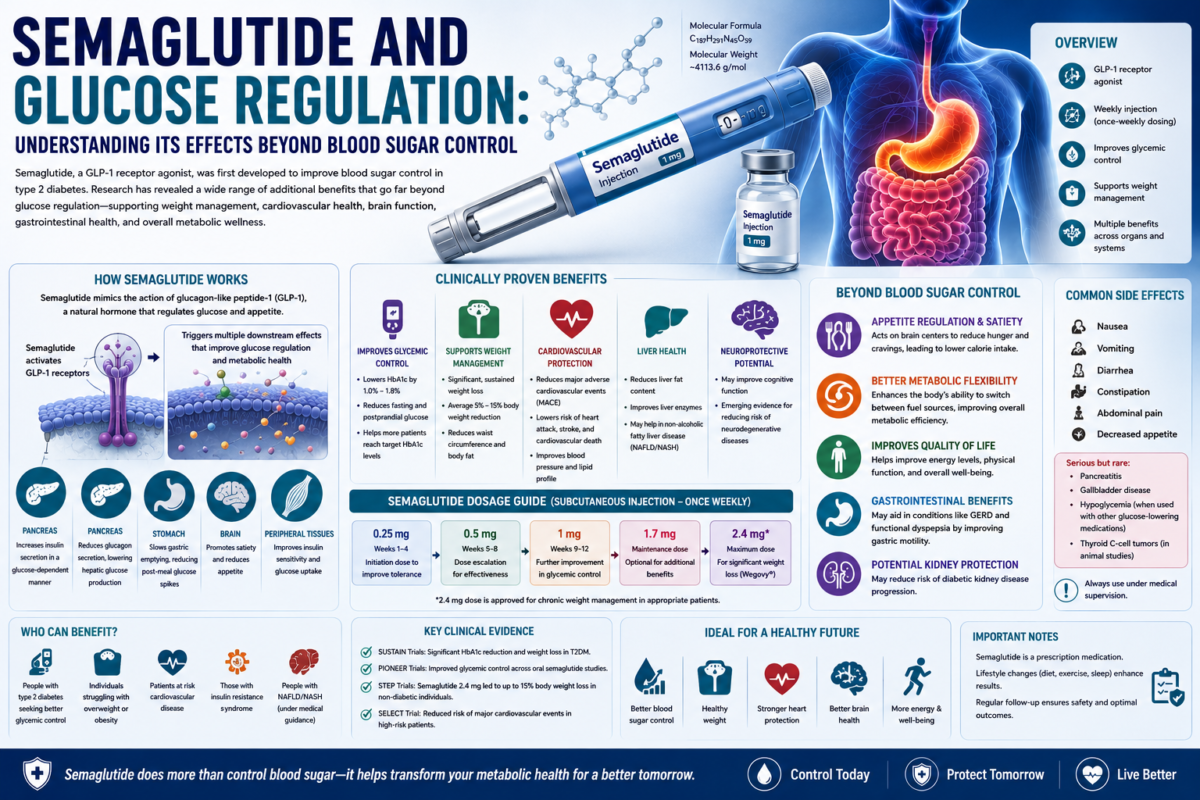
Semaglutide has become an important medication in discussions surrounding type 2 diabetes management, weight management, and metabolic health. As a glucagon-like peptide-1 (GLP-1) receptor agonist, semaglutide works with the body’s natural hormonal pathways to improve glucose regulation while also influencing appetite, food intake, body weight, and several cardiometabolic risk factors.
Although blood sugar control remains one of its central effects, research has increasingly highlighted that the role of semaglutide extends beyond simply lowering glucose levels. Its effects on appetite regulation, body weight, cardiovascular risk, and kidney outcomes have made it an important area of interest in modern metabolic medicine.
For pharmaceutical sourcing, organizations such as Pinkline Exports provide semaglutide formulations for international markets. This article explores how semaglutide influences glucose regulation and why its metabolic effects are receiving increasing attention.
What Is Semaglutide?
Semaglutide is a long-acting GLP-1 receptor agonist. GLP-1 is a naturally occurring hormone involved in glucose metabolism, insulin secretion, appetite regulation, and gastrointestinal function.
Semaglutide mimics several actions of naturally occurring GLP-1. Its glucose-lowering mechanism includes increasing insulin secretion and reducing glucagon secretion when blood glucose levels are elevated. This glucose-dependent action is one reason semaglutide is widely studied in type 2 diabetes treatment.
Depending on the formulation and indication, semaglutide may be available as an oral tablet or an injectable formulation. Dosage, indication, prescribing requirements, and approved formulations vary by country and product.
How Semaglutide Supports Glucose Regulation
The relationship between semaglutide and glucose regulation involves several interconnected mechanisms rather than a single pathway.
1. Stimulates Glucose-Dependent Insulin Secretion
After food is consumed, blood glucose rises and the body needs to release insulin to help move glucose from the bloodstream into cells. Semaglutide activates GLP-1 receptors and enhances insulin secretion when glucose levels are elevated. Because this effect is glucose-dependent, the mechanism differs from medications that stimulate insulin secretion regardless of the current glucose concentration.
2. Reduces Glucagon Secretion
Glucagon is another important hormone involved in glucose regulation. It signals the liver to release glucose into the bloodstream. When glucose levels are elevated, semaglutide reduces inappropriate glucagon secretion, which can decrease excessive hepatic glucose production and contribute to improved glucose management.
3. Helps Improve Glycemic Control
Long-term glucose management is not simply about avoiding occasional high blood sugar readings; it is generally assessed using measures such as fasting glucose and HbA1c. By influencing insulin and glucagon pathways, semaglutide can help improve overall glycemic control in appropriate patients, potentially reducing some of the metabolic stress associated with persistent hyperglycemia.
However, semaglutide should not be viewed as a standalone replacement for a comprehensive diabetes management plan. Diet, physical activity, monitoring, and other prescribed medications can remain important components of care.
Semaglutide and Appetite Regulation
One of the most discussed effects of semaglutide is its influence on appetite and food intake.
GLP-1 signaling is involved not only in glucose metabolism but also in pathways associated with satiety and appetite. Semaglutide can increase feelings of fullness and reduce hunger in many people using it under medical supervision.
This creates an important connection between glucose regulation and weight management. When a person consumes fewer calories and experiences improved metabolic regulation, reductions in body weight may occur. This is one reason semaglutide has attracted significant interest as a treatment option for obesity and overweight in appropriate clinical settings.
Semaglutide, Weight Loss and Metabolic Health
Weight and glucose regulation are closely connected. Excess body weight, particularly excess visceral fat, can contribute to insulin resistance and increase the risk of metabolic disease.
Semaglutide’s effects on appetite and body weight can therefore have implications beyond the number shown on a weighing scale.
SELECT Trial Findings:
- Studied once-weekly semaglutide 2.4 mg in more than 17,000 participants with established cardiovascular disease and overweight or obesity, without diabetes
- The primary cardiovascular endpoint occurred in 6.5% of participants receiving semaglutide, compared with 8.0% receiving placebo
- Findings support semaglutide’s relevance to broader metabolic health, not only diabetes management
Beyond Blood Sugar: Cardiovascular Considerations
Diabetes and obesity can increase cardiovascular risk. Therefore, an important question is whether metabolic therapies can influence cardiovascular outcomes in addition to improving glucose levels.
Evidence from major clinical trials has demonstrated cardiovascular benefits associated with semaglutide in specific patient populations. The SELECT trial, for example, evaluated people with overweight or obesity and established cardiovascular disease who did not have diabetes, and semaglutide was associated with a significant reduction in the risk of cardiovascular death, nonfatal heart attack, or nonfatal stroke compared with placebo.
Earlier cardiovascular outcome research in people with type 2 diabetes has also reported cardiovascular benefits with semaglutide.
These findings do not mean that everyone taking semaglutide will automatically have reduced cardiovascular risk. Instead, they highlight the broader metabolic effects that may be relevant when clinicians select treatment for appropriate patients.
Semaglutide and Kidney Health
The relationship between diabetes and kidney health is another reason glucose regulation is important. Persistently elevated glucose levels can contribute to diabetic kidney disease over time, so improving metabolic health is an important part of reducing complications associated with diabetes.
FLOW Trial Findings:
- Investigated semaglutide in people with type 2 diabetes and chronic kidney disease
- Found a 24% lower risk of the primary kidney-related composite outcome among participants receiving semaglutide compared with placebo
- Also reported a slower decline in estimated glomerular filtration rate and lower risks of several cardiovascular outcomes
These findings have expanded interest in semaglutide beyond conventional glucose-lowering therapy and toward its potential role in comprehensive cardiometabolic risk management.
The Connection Between Insulin Resistance and Weight
Insulin resistance occurs when the body’s cells respond less effectively to insulin. The pancreas may compensate by producing more insulin, while glucose regulation can gradually become more difficult.
Weight management can be an important component of improving metabolic health for people with insulin resistance. Because semaglutide can influence appetite and body weight while improving glucose-dependent insulin and glucagon regulation, it affects several interconnected factors involved in metabolic health.
This is one reason searches for terms such as semaglutide for weight loss, semaglutide injection for diabetes, GLP-1 weight loss medication, semaglutide dosage, and semaglutide for blood sugar control have grown substantially.
Semaglutide and Digestive Effects
Semaglutide also affects gastrointestinal function. GLP-1 signaling can slow gastric emptying, particularly during the early phase after eating.
Slower movement of food through the stomach may contribute to increased fullness and reduced food intake. At the same time, gastrointestinal effects are among the commonly reported adverse effects associated with semaglutide. Some people may experience nausea, vomiting, diarrhea, constipation, or abdominal discomfort, particularly during dose escalation.
For this reason, semaglutide treatment generally requires appropriate medical guidance, particularly when starting therapy or changing doses.
Why Weight Loss Products Are Receiving Attention
The global interest in weight loss products has increased as obesity and metabolic disorders have become major health concerns.
However, weight management should not be reduced to finding a single product that produces rapid weight loss. Sustainable results generally involve a combination of appropriate medical treatment, nutrition, physical activity, behavioral changes, and ongoing monitoring.
Semaglutide is particularly notable because its effects are connected to biological pathways involved in both appetite and glucose regulation.
For pharmaceutical distributors and international buyers, understanding the distinction between formulations is also important. Injectable semaglutide products, oral semaglutide tablets, and branded products may have different regulatory statuses, strengths, indications, and market availability.
Explore Our Generic Semaglutide Range
Pinkline Exports offers a range of semaglutide formulations for pharmaceutical sourcing, including oral and injectable options.
Product availability, labeling, indications, and regulatory approval can differ between countries. Buyers should verify applicable regulatory requirements and product documentation before pharmaceutical procurement or distribution.
Oral Semaglutide vs Injectable Semaglutide
Semaglutide is available in different pharmaceutical formulations, and the choice between oral and injectable treatment depends on the specific product, indication, patient factors, and local regulatory approval.
Oral semaglutide has been studied extensively in people with type 2 diabetes. More recent cardiovascular-outcome evidence for oral semaglutide has also shown a lower risk of major adverse cardiovascular events in a high-risk type 2 diabetes population.
Injectable semaglutide formulations are also widely studied for diabetes and weight-management indications.
It is important not to assume that different semaglutide formulations are interchangeable simply because they contain the same active ingredient. Strength, dosing schedule, route of administration, approved indication, and formulation characteristics can differ.
Semaglutide and Long-Term Metabolic Management
The broader significance of semaglutide lies in the way several metabolic pathways can be addressed simultaneously. Instead of focusing exclusively on lowering blood glucose, treatment may influence:
- Blood glucose regulation
- HbA1c levels
- Insulin and glucagon signaling
- Appetite and satiety
- Body weight
- Cardiovascular risk
- Kidney-related outcomes in selected populations
- Overall metabolic health
This does not mean semaglutide eliminates the need for healthy lifestyle habits or medical monitoring. Rather, it illustrates how modern metabolic therapies can target multiple interconnected aspects of disease.
Important Considerations Before Using Semaglutide
Semaglutide is a prescription medicine in many markets and should be used according to the applicable product labeling and guidance from a qualified healthcare professional.
Patients should discuss their medical history, current medications, existing health conditions, and potential risks with their healthcare provider before treatment.
Particular attention may be required for gastrointestinal symptoms, dehydration, blood glucose changes when combined with certain diabetes medications, and other product-specific warnings and contraindications.
People should also avoid purchasing medicines from unverified sources. Pharmaceutical buyers and distributors should confirm product authenticity, quality documentation, regulatory status, and applicable import requirements.
The Future of GLP-1-Based Metabolic Treatment
Research into GLP-1 receptor agonists continues to expand. Scientists are studying how these medicines may influence different aspects of metabolic, cardiovascular, and kidney health.
The growing body of evidence suggests that semaglutide’s importance cannot be explained by blood sugar reduction alone. Its effects on appetite, body weight, cardiovascular outcomes, and kidney outcomes demonstrate the interconnected nature of metabolic disease.
As research develops, semaglutide and other GLP-1-based therapies may continue to shape the future of diabetes and obesity management.
Conclusion
Semaglutide is best understood as more than a medication for lowering blood glucose. Through GLP-1 receptor activation, it can influence glucose-dependent insulin secretion, glucagon regulation, appetite, food intake, and body weight.
Clinical research has also demonstrated important cardiovascular and kidney-related outcomes in specific populations, reinforcing the connection between glucose regulation and broader metabolic health.
For pharmaceutical sourcing, the growing demand for Generic Semaglutide Injection Exporter, semaglutide tablets, semaglutide pens, and other weight loss products reflects the increasing global interest in GLP-1-based therapies. However, product selection, prescribing, and distribution should always take into account formulation-specific information and the regulatory requirements of the destination market.
Medically Reviewed By: Dr. Rita M George Reviewed Date: Aug 28, 2026
Medical Disclaimer: This content is provided for educational and informational purposes only and is not intended to replace professional medical advice, diagnosis, or treatment. Individuals considering weight management medications should consult a qualified healthcare professional before starting or modifying any treatment plan.
