.svg)



Semaglutide Explained Uses, Dosage, Weight Loss Benefits & Where to Buy Online Safely


Semaglutide has become one of the important pharmaceutical advancements in the metabolic therapy. Semaglutide was created to treat type 2 diabetes, but in some patient groups, it has been authorized for long-term weight control. Clear, medically correct, and compliant information is essential due to the increasing public interest in semaglutide for weight loss and this article gives a detailed explanation of semaglutide's definition, recommended dosage, and function in long-term therapy plans.
What is Semaglutide?
Semaglutide is a prescription drug that is a member of the glucagon-like peptide-1 receptor agonist pharmacological class. These drugs are made to function the same as GLP-1 which is a hormone that is found naturally in the human body. This hormone is much needed to control digestion, appetite, and also in blood sugar levels. Semaglutide will influences brain systems that regulate hunger. It also aids the body in improving glycemic control by activating GLP-1 receptors.
As semaglutide has a dual function in the endocrine and metabolic systems is essential to understand what it is. Semaglutide decreases the release of glucagon, which is a hormone that raises blood sugar. It also boosts insulin secretion in individuals with type 2 diabetes when blood glucose levels are very high. Also, it prolongs the period that food stays in the stomach by slowing the gastric emptying. The prolonged feeling of fullness and the decreased appetite that results from this is a major factor in the increased interest in semaglutide for weight loss in clinical practice.
Strong clinical data supports that the use of semaglutide for weight loss is correct. According to studies, people who use semaglutide dosage correctly under medical supervision can significantly and sustainably reduce their weight. Also it is needed to combine medication with lifestyle treatments including diet modifications and increased physical activity.

Will semaglutide result in weight loss?
Over the course of one to two years, most of the patients can frequently see a decrease of roughly 10 to 15 percent of their initial body weight. But it is crucial to realize that semaglutide is neither a temporary fix nor it is a cosmetic procedure. It is meant for people who fit certain clinical requirements, such as obese or any overweight people with related medical issues.
It is crucial to stress that semaglutide dosage is customized and needs to be decided by a licensed healthcare professional. In order to reduce gastrointestinal side effects and give the body time to adjust, the therapy for weight loss usually starts with a modest dose. The dosage is progressively raised to a little extent over a few weeks until a maintenance level is attained. Because abrupt dosage increases will result in many side effects like vomiting, nausea,and stomach pain, this steady escalation is an essential part of therapy. Both injectable and oral forms of semaglutide are available, and each of it has unique administration instructions that must be followed for getting the best results.
Semaglutide Side Effects
Any conversation on semaglutide must take safety into account and it may have adverse effects, just like any other medicine. Gastrointestinal side effects, such as diarrhea, constipation, nausea, and abdominal pain, are the frequently reported ones. As the body gets used to the semaglutide dosage, these side effects, which are usually mild to moderate, tend to lessen without any symptoms with time. But there are less frequent but more dangerous hazards that will even call for medical care. These include gall bladder illness, pancreatitis, and even kidney problems, especially when dehydration is present.
Semaglutide should not be used in some groups and due to the possible dangers found in preclinical investigations, people with issues like multiple endocrine neoplasia type 2 or a personal or family history of medullary thyroid cancer are typically cautioned against taking this drug. Furthermore, unless a healthcare professional specifically advises it, using semaglutide while pregnant or nursing is generally not suggested. All these factors emphasize how crucial a comprehensive medical assessment for weight loss with semaglutide is prior to starting treatment.
Another crucial part of using semaglutide is the knowledge of other drug interactions. The drug may interfere with other glucose lowering therapies like insulin or sulfonylureas since it affects blood sugar levels. There is a high chance of hypoglycemia in these situations, thus close observation is necessary. To guarantee safe and well coordinated care, patients should always let their healthcare provider know about all the drugs and supplements they are currently taking at that time.
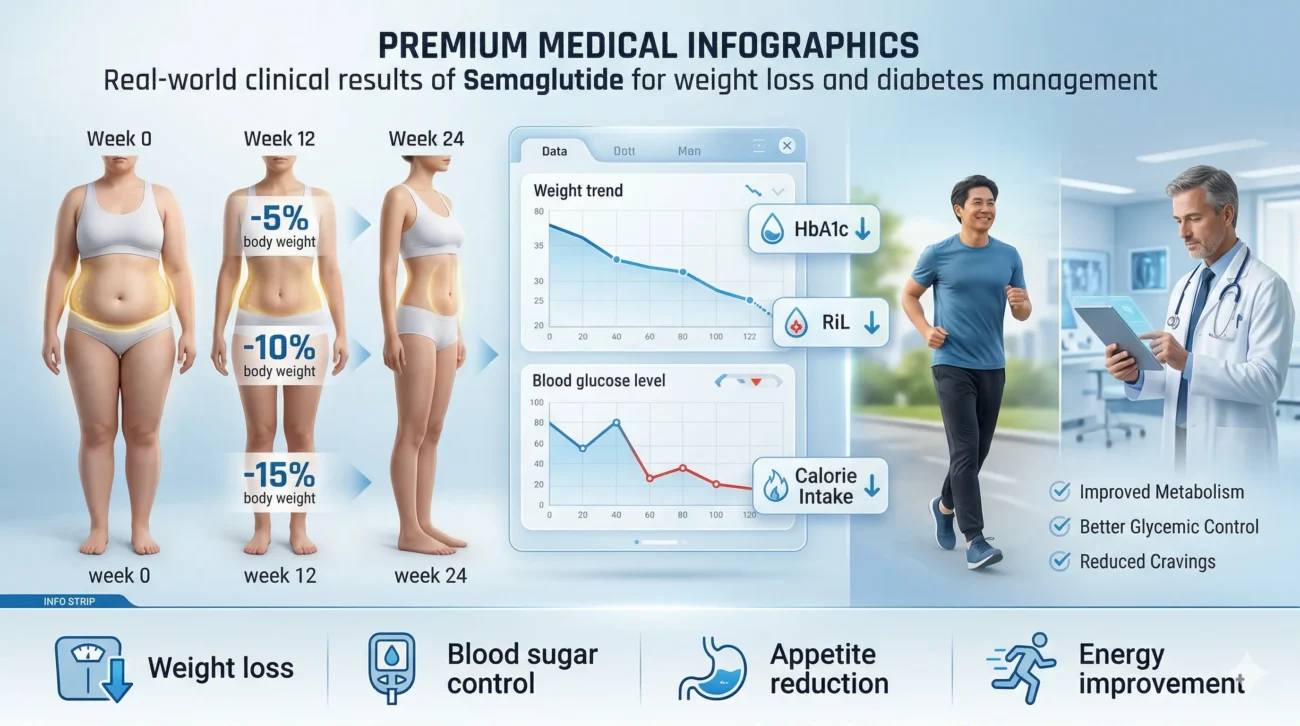
Will stopping semaglutide result in weight gain
Lifestyle factors have a significant impact on semaglutide efficacy and although the drug can greatly lower hunger and aid in weight loss, it works best when combined with a healthy diet, frequent exercise, and other good practices. A complete strategy that tackles the behavioral and biological components of weight management is necessary for long-term success. It is also crucial to remember that stopping semaglutide may cause weight gain, which highlights the fact that obesity is a chronic illness rather than a transient problem.
Semaglutide has become more widely available online and through unregulated sources in recent years due to its popularity. Concerns regarding authenticity and safety are raised by this movement. It is advisable to exercise caution when using products that are advertised without a prescription, promise quick or certain outcomes, or lack adequate medical supervision. People who use semaglutide outside of a controlled healthcare setting run serious health risks, such as improper dosage and unreliable formulations.
Semaglutide is frequently seen as a component of a long-term approach for managing chronic illnesses. Type 2 diabetes and obesity are both complicated, chronic illnesses that call for ongoing care. Semaglutide is a useful tool for treating certain problems, but it is not a stand-alone remedy. Our knowledge of its long-term safety and effectiveness is growing as a result of ongoing research, and new advancements could further improve its application in clinical settings.
A crucial part of semaglutide therapy is continuous monitoring. Blood glucose levels, body weight, renal function, and general treatment tolerance may all be assessed during routine follow-ups by healthcare professionals. These evaluations assist in directing dosage modifications and guarantee that the advantages of treatment exceed any possible hazards.
Conclusion
In conclusion, when taken as directed, semaglutide is a clinically proven solution for controlling type 2 diabetes and promoting weight loss. Instead than providing a short-term fix, it works by addressing core metabolic pathways. However, appropriate medical supervision, customized semaglutide dosage, and a dedication to long-term lifestyle modifications are necessary for safe use. Although semaglutide has demonstrated encouraging results in weight loss, it is not appropriate for everyone and should never be used without expert advice.
FAQ'S
What is the main purpose of semaglutide?
Semaglutide is used to treat type 2 diabetes. In some situations, can help people who fit certain clinical requirements manage their weight over time.
Are there any dangers or adverse effects of semaglutide?
Semaglutide might have adverse effects and the most frequent ones are gastrointestinal issues like nausea and diarrhea. Even though they are less frequent, pancreatitis and gallbladder problems are more serious hazards that need to be treated.
To what extent does semaglutide aid in weight loss?
According to clinical research, semaglutide can help people lose a substantial amount of weight typically between ten and fifteen percent of their body weight when paired with dietary and exercise changes.
What dosage of semaglutide is advised?
Depending on the patient and the ailment being treated, different semaglutide dosages are recommended. Under physician supervision, treatment typically starts with a modest dose that is progressively increased over time
Medically reviewed by: Dr. Neil K, GP and Medical Researcher
Review date: 02-04-2026
Disclaimer: This article is for educational purposes only and does not replace professional medical advice. Always consult a licensed healthcare provider before starting or changing any medication