Trimetazidine CR Tablets 35 Mg – Metabolic Support for Cardiovascular Health
Trimetazidine CR Tablets 35 Mg is a prescription cardiovascular medication categorized as a metabolic agent. It is commonly prescribed to support heart muscle function, especially in patients with stable angina pectoris (chest discomfort due to reduced oxygen supply to the heart). The “CR” in the name stands for controlled release, meaning the medicine releases its active ingredient steadily over time to maintain consistent levels in the bloodstream.
Trimetazidine works differently from traditional anti-anginal drugs like nitrates, beta-blockers, or calcium channel blockers. Rather than primarily affecting blood vessels or blood pressure, it improves the way heart muscle cells produce energy. By optimizing cellular metabolism, Trimetazidine helps the heart function more efficiently when oxygen supply is limited.
Cardiovascular disease remains a leading cause of illness and mortality globally. Evidence-based clinical guidance supports the use of metabolic agents to complement standard treatments in specific patient groups.
How Trimetazidine CR Tablets 35 Mg Work
Trimetazidine CR Tablets 35 Mg acts at the cellular level to help heart muscle cells use energy more efficiently:
1. Improves Metabolic Efficiency
It shifts the heart’s fuel use from fatty acid oxidation to glucose oxidation — a process that requires less oxygen.
2. Reduces Oxygen Demand
By enhancing energy production with less oxygen, the heart can maintain function under stress more effectively.
3. Supports Myocardial (Heart Muscle) Function
Optimized metabolism may reduce symptoms like chest discomfort and fatigue associated with reduced oxygen supply.
4. Controlled Release Benefits
The controlled-release formulation ensures stable drug levels throughout the day, supporting consistent effects.
Trimetazidine does not directly change heart rate or blood pressure but serves as an adjunct therapy to improve cardiac performance.
Indications
A healthcare provider may prescribe Trimetazidine CR Tablets 35 Mg for:
Stable angina pectoris – in addition to standard anti-anginal therapy
Patients who continue to experience symptoms despite optimized treatment
Situations where metabolic support of the heart may be beneficial
This medication should only be used under professional medical supervision.
Sustained-release metabolic cardiac care models may include Trimetazidine SR Tablets 60 Mg within long-term cardiovascular management.
Dosage & Administration
Usually taken once daily
Swallow the tablet whole with water
May be taken with or without food
Follow your healthcare provider’s prescribed schedule
Do not adjust or stop the dose without medical advice
Consistent dosing helps maintain therapeutic benefits.
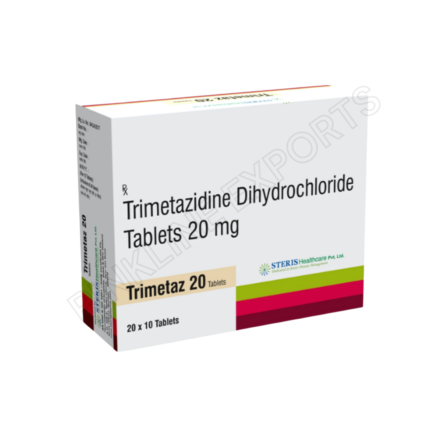
Chronic angina management frameworks may integrate Trimetazidine HCl Tablets 20 Mg as part of supervised cardiovascular therapy.
Safety Information & Precautions
Before taking Trimetazidine CR Tablets 35 Mg, inform your healthcare provider if you have:
Severe kidney impairment
Parkinson’s disease or movement disorders
Other cardiovascular conditions
Use of other anti-anginal medications
Asthma treatment strategies are based on evidence-based clinical data published by leading public health authorities like the CDC.
Important Safety Notes
Regular follow-up and clinical monitoring are recommended
Not usually first-line therapy — typically added to established treatment plans
Report any unusual symptoms to your physician promptly
Possible Side Effects
Most side effects are mild and manageable. Potential side effects may include:
Seek immediate medical care if severe symptoms such as pronounced coordination problems, significant dizziness, or allergic reactions occur.
Drug Interactions
Trimetazidine may interact with:
Always provide your healthcare provider with a complete list of all medications, supplements, or herbal products you are taking.
Use in Special Populations
Pregnancy
Consult your healthcare provider before use.
Breastfeeding
Discuss with a clinician before taking this medication.
Elderly Patients
May require monitoring due to age-related changes in drug elimination.
Monitoring & Follow-Up
Patients taking Trimetazidine CR Tablets 35 Mg should have:
Appropriate follow-up optimizes treatment outcomes and safety.
FAQs