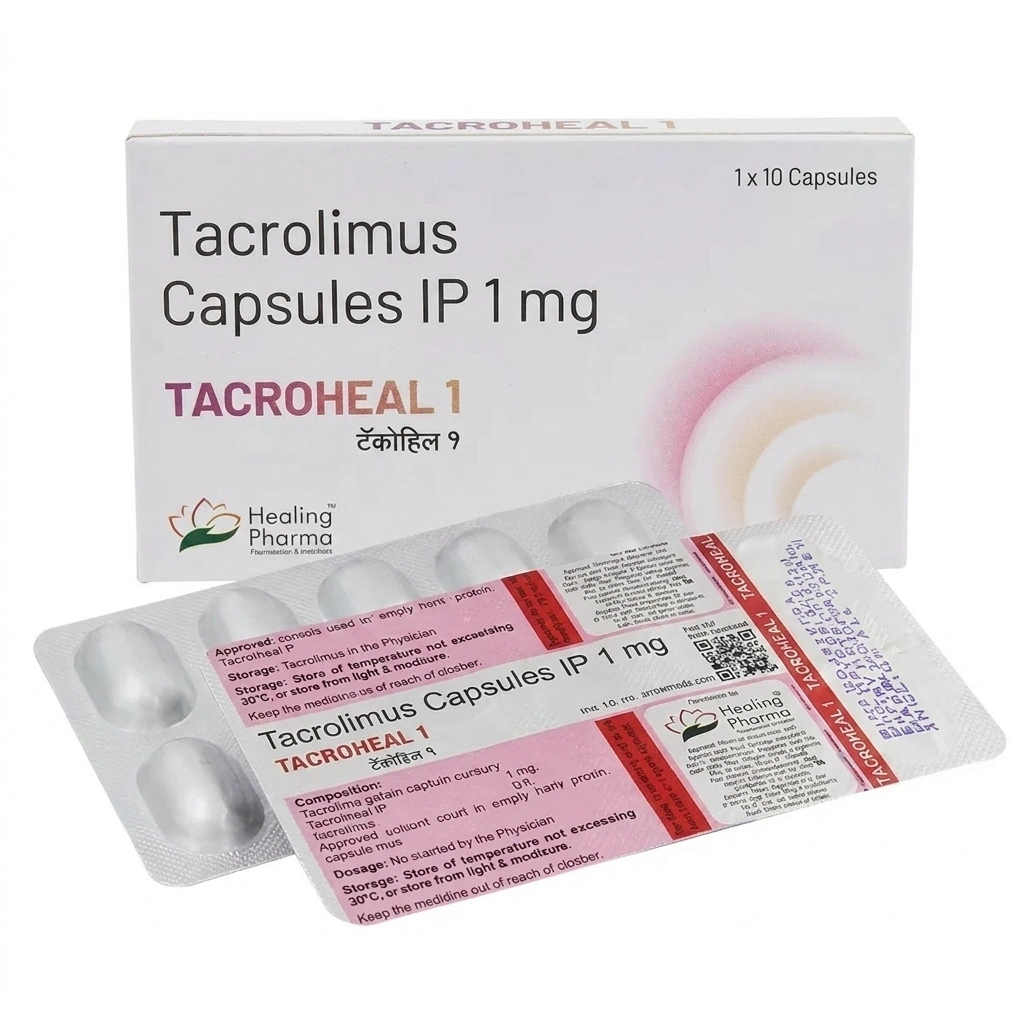
Tacroheal 1 mg (Tacrolimus)
Tacroheal 1 mg contains Tacrolimus, a potent immunosuppressive medication commonly prescribed to help prevent organ rejection following kidney, liver, heart, and other organ transplant procedures. Tacrolimus works by suppressing certain immune system activities that may otherwise attack a transplanted organ. It is an important component of long-term transplant management and should only be used under the supervision of a qualified healthcare professional.
Product Overview
Tacroheal 1 mg (Tacrolimus) belongs to a class of medications known as calcineurin inhibitors. It helps reduce the activity of T-lymphocytes, which play a major role in immune responses that can lead to transplant rejection. Tacrolimus is widely used in transplant medicine and may also be prescribed for certain immune-mediated conditions when deemed appropriate by a specialist.
Generic Name:
Tacrolimus
Strength:
1 mg
Drug Class:
Calcineurin Inhibitor
Administration:
Oral Capsule
How Tacroheal 1 mg Works
Tacrolimus inhibits calcineurin, a protein involved in activating T-cells within the immune system. By suppressing T-cell activity, Tacrolimus reduces the body’s immune response and helps prevent rejection of transplanted organs. This mechanism allows the transplanted organ to function properly while minimizing immune-mediated damage.
Potential Benefits
- Helps prevent organ transplant rejection.
- Supports long-term graft survival.
- Widely used in kidney, liver, and heart transplantation.
- Can be incorporated into combination immunosuppressive regimens.
- Extensively studied in transplant medicine.
Dosage and Administration
Tacroheal 1 mg should be taken exactly as prescribed by a transplant specialist or healthcare provider. Dosing is individualized based on body weight, transplant type, blood drug concentrations, and overall clinical response. Regular blood monitoring is essential to ensure appropriate therapeutic levels and reduce the risk of complications.
Possible Side Effects
- Tremors
- Headache
- High blood pressure
- Kidney function changes
- Nausea
- Increased blood sugar levels
- Increased susceptibility to infections
Patients should promptly report unusual symptoms or signs of infection to their healthcare provider.
Storage Instructions
- Store at room temperature.
- Protect from moisture and direct sunlight.
- Keep capsules in original packaging.
- Keep out of reach of children and pets.
Related Products
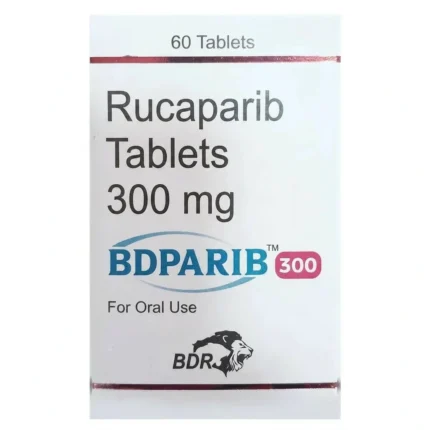
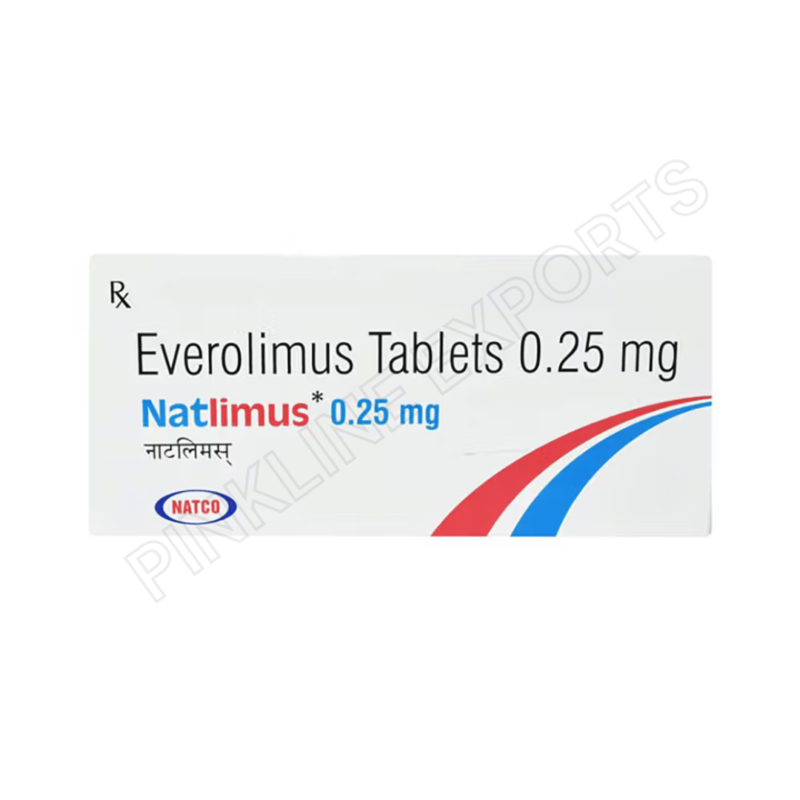
Explore additional transplant and oncology therapies:
Medical Reference
For detailed prescribing information and patient guidance regarding tacrolimus, visit:
MedlinePlus – Tacrolimus Information
Frequently Asked Questions (FAQs)
1. What is Tacroheal 1 mg used for?
Tacroheal 1 mg is primarily used to help prevent rejection of transplanted organs such as kidneys, livers, and hearts by suppressing the immune system.
2. Why are blood tests required during Tacrolimus therapy?
Blood tests help monitor tacrolimus levels to ensure effective immunosuppression while minimizing the risk of toxicity and adverse effects.
3. Can Tacrolimus increase infection risk?
Yes. Because tacrolimus suppresses immune system activity, patients may have an increased risk of infections and should follow medical guidance carefully.
4. Can Tacroheal 1 mg be taken with other medications?
Tacrolimus can interact with numerous medications. Patients should inform their healthcare provider about all prescription drugs, supplements, and herbal products they use.
5. What happens if a dose is missed?
Patients should follow their healthcare provider’s instructions regarding missed doses and should never double a dose without medical advice.
Medical Disclaimer
This content is provided for informational purposes only and does not constitute medical advice. Always consult a licensed healthcare professional regarding diagnosis, treatment, medication management, and transplant care.