
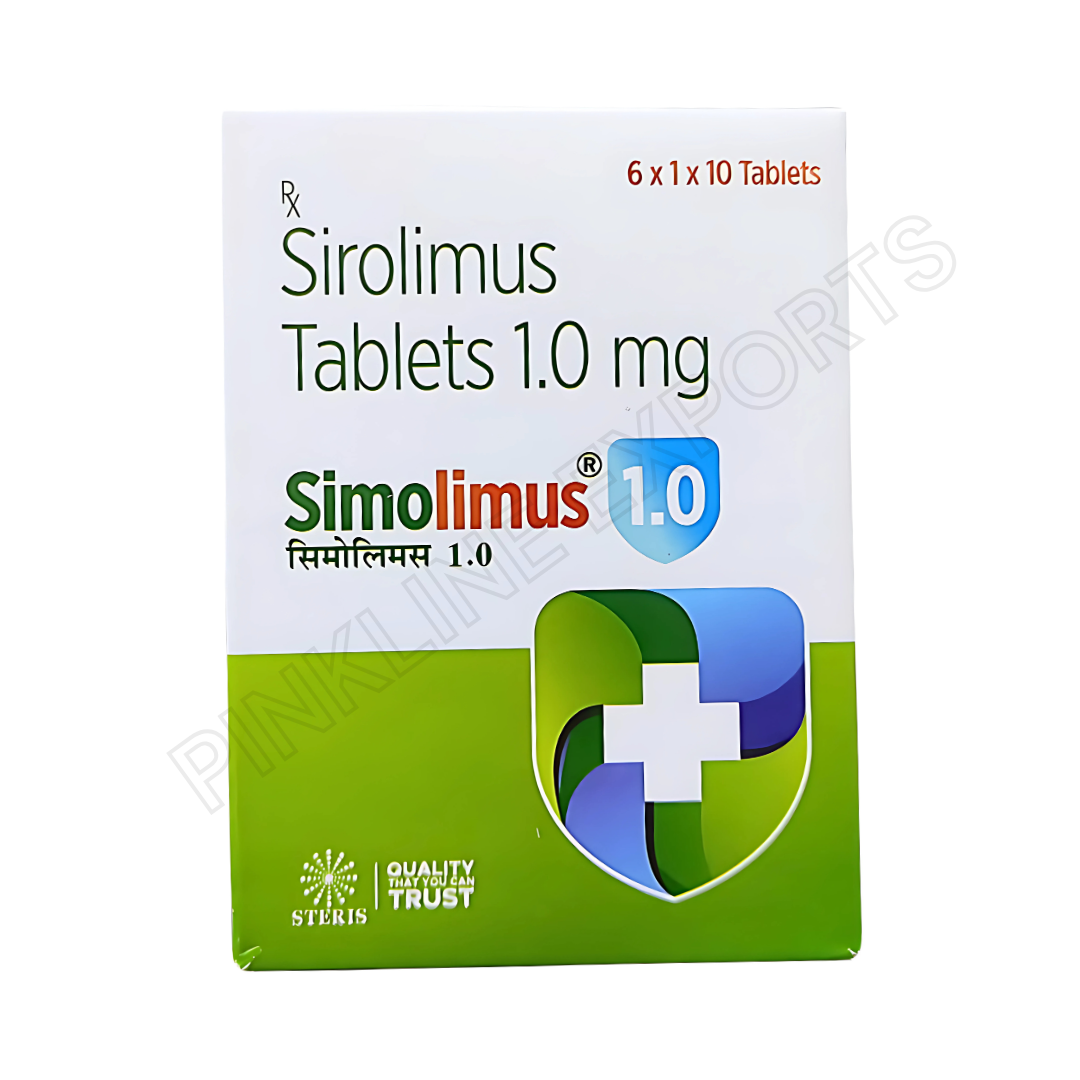
Sirolimus Tablets 1.0 Mg
$120.00 – $300.00Price range: $120.00 through $300.00
Sirolimus Tablets 1.0 Mg is an immunosuppressant medication used to prevent kidney transplant rejection. It works by inhibiting immune cell activation through the mTOR pathway, helping maintain transplant function. Sirolimus Tablets 1.0 Mg should be taken orally under medical supervision with regular monitoring for safety and effectiveness.
Description
 Sirolimus Tablets 1.0 Mg
Sirolimus Tablets 1.0 Mg is an immunosuppressant medication primarily used to prevent organ rejection in patients who have undergone kidney transplantation. It belongs to the class of medicines known as mTOR inhibitors and works by suppressing specific immune responses that may cause the body to reject a transplanted organ. Sirolimus Tablets 1.0 Mg is intended for oral administration and should be used strictly under the supervision of a qualified healthcare professional.
How Sirolimus Tablets 1.0 Mg Work
Sirolimus alters immune suppression by inhibiting the mammalian target of rapamycin (mTOR), a key protein involved in cell growth and immune response. By reducing immune cell activation and proliferation, sirolimus helps lower the risk of transplant rejection while preserving graft function.
Mechanism of Action
Inhibits mTOR signaling pathway
Suppresses T-cell and B-cell activation
Reduces immune-mediated organ rejection
Helps maintain long-term transplant viability
Uses of Sirolimus Tablets 1.0 Mg
Sirolimus Tablets 1.0 Mg are used for:
Therapeutic Indications
Prevention of kidney transplant rejection
Long-term immunosuppressive therapy in transplant patients
Used in combination with other immunosuppressive agents as prescribed
Sirolimus Tablets 1.0 Mg is classified under immunosuppressant and transplant medicines used in specialized clinical care.
Dosage and Administration
The dosage of Sirolimus Tablets 1.0 Mg is determined by a healthcare provider based on transplant type, blood concentration levels, and patient response.
Administration Guidelines
Taken orally with water
Can be taken with or without food (consistency recommended)
Swallow tablets whole
Do not crush, chew, or split
Regular blood monitoring may be required
Do not discontinue without medical advice
Side Effects of Sirolimus Tablets 1.0 Mg
Some patients may experience side effects during treatment.
Common Side Effects
Increased cholesterol or triglyceride levels
Mouth ulcers
Headache
Abdominal pain
Diarrhea
Less Common Side Effects
Delayed wound healing
Increased risk of infection
Low platelet or white blood cell count
Liver function abnormalities
Seek immediate medical attention if severe infections, breathing difficulty, or allergic reactions occur.
Warnings and Precautions
Before using Sirolimus Tablets 1.0 Mg, inform your healthcare provider if you have liver disease, high cholesterol, infections, or a history of cancer.
Important Safety Information
Increased risk of infections due to immune suppression
Avoid live vaccines during treatment
Use sun protection due to increased skin cancer risk
Pregnancy and breastfeeding only if prescribed
Regular laboratory monitoring is essential
Storage Instructions
Store below 25°C
Protect from moisture and light
Keep out of reach of children
FAQ’s
They are used to help prevent organ rejection in people who have received a kidney transplant
Sirolimus works by suppressing the immune system so it does not attack a transplanted organ
Â
Yes, Sirolimus can interact with many medicines, so tell your doctor about all your current medications
Â
It may take several weeks for the medicine to reach its full effect in preventing organ rejection.
Â
Use during pregnancy should be discussed with a doctor, as it may not be safe for pregnant individuals

Justin Ward –
Works better than the prescription I was using.