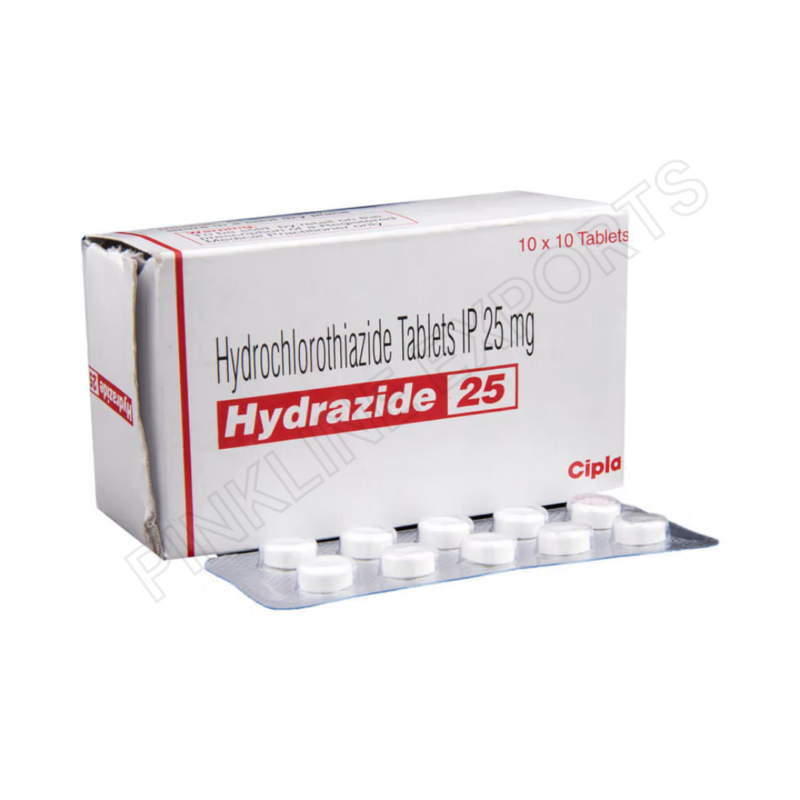
What Are Hydrochlorothiazide Tablets 12.5 Mg?
Hydrochlorothiazide Tablets 12.5 Mg are an oral prescription medication in the class of thiazide diuretics. They are prescribed by healthcare professionals to help:
Manage hypertension (high blood pressure)
Reduce fluid retention (edema) associated with conditions such as heart failure or kidney disorders
Improve overall cardiovascular health as part of a comprehensive treatment plan
Hydrochlorothiazide works by increasing the amount of salt and water passed through the kidneys, which helps lower blood volume and reduce blood pressure.
This medication should be used only under the supervision of a qualified healthcare provider.
How Hydrochlorothiazide Works
1. Diuretic Action
Hydrochlorothiazide increases the excretion of salt (sodium) and water by the kidneys. This reduces blood volume, which in turn can help lower elevated blood pressure.
2. Reduced Fluid Overload
By eliminating excess fluid from the body, it decreases swelling associated with fluid retention (edema), which can support heart and kidney function.
3. Lowered Vascular Resistance
Over time, diuretic-induced lowering of blood volume helps reduce vascular resistance, contributing to sustained blood pressure control when taken as prescribed.
Mineralocorticoid receptor–based cardiovascular strategies may include Eplerenone Tablets 25 Mg within long-term care planning.
Indications
A clinician may prescribe Hydrochlorothiazide Tablets 12.5 Mg for:
Treatment is individualized based on medical history, blood pressure readings, and overall risk profile assessed by a qualified healthcare provider.
Comprehensive cardiovascular care frameworks may incorporate Hydrochlorothiazide Tablets 25 Mg as part of structured treatment planning.
Dosage & Administration
Always follow your healthcare provider’s instructions.
General dosing guidance:
Usually taken once daily, often in the morning
Can be taken with or without food
Swallow tablets whole with water
Do not crush or chew unless advised
Missed dose:
Take as soon as you remember unless it is near your next dose. Do not double up.
Clinical Benefits
When used under medical supervision:
Helps lower high blood pressure
May reduce swelling from fluid retention
Can decrease cardiovascular risk when part of a comprehensive treatment plan
Often used as a first-line therapy for hypertension
Individual outcomes vary based on patient health status and adherence.
Safety Information & Precautions
Before starting hydrochlorothiazide, tell your healthcare provider if you have:
Important Safety Notes
May increase urination and electrolyte changes (e.g., low potassium)
May cause dizziness when standing up quickly
Regular monitoring of blood tests may be needed
Discuss use in pregnancy and breastfeeding with your clinician
Possible Side Effects
Some patients may experience:
Seek medical care if you experience:
Always consult your healthcare provider for complete safety guidance.
Drug Interactions
Tell your clinician about all other medications and supplements you take, including:
Interactions can affect effectiveness and side-effect risks.
Medication education and bronchodilator therapy mechanisms are supported by standard drug reference resources such as MedlinePlus.
Use in Special Populations
Pregnancy & Breastfeeding
Discuss with your healthcare provider before use. Diuretic therapy in pregnancy or breastfeeding should be evaluated by a clinician.
Elderly Patients
Older adults may be more susceptible to dehydration and electrolyte imbalance; monitoring may be recommended.
Kidney or Liver Impairment
Dose adjustments and regular evaluation may be needed based on organ function.
Monitoring & Follow-Up
Your healthcare provider may:
Monitor blood pressure regularly
Check electrolyte levels and kidney function
Adjust dosage based on clinical response
Regular check-ups help ensure safety and optimal treatment outcomes.
Storage Instructions
Store in a cool, dry place below 25 °C
Keep in the original packaging
Protect from moisture and sunlight
Keep out of reach of children
Do not use past the expiry date
FAQs