What Are Hydralazine HCl Tablets 25 Mg?
Hydralazine HCl Tablets 25 Mg are oral prescription medicines in the class of direct vasodilators used primarily for the treatment of high blood pressure (hypertension). By relaxing the smooth muscle in arterial walls, hydralazine lowers systemic vascular resistance and helps reduce blood pressure. It may be used alone or in combination with other antihypertensive agents when blood pressure control isn’t achieved with monotherapy.
This medication should be taken under the supervision of a qualified healthcare provider and as part of a comprehensive cardiovascular treatment plan.
How Hydralazine Works
1. Direct Vasodilation
Hydralazine acts on the smooth muscles of arterial walls, causing them to relax and widen (vasodilation). This process decreases the resistance against which your heart must pump.
2. Reduced Afterload
Lower resistance reduces afterload (the force the heart must overcome to eject blood). This can lower blood pressure and help decrease cardiac workload.
3. Improved Circulation
Relaxed vessels improve circulation throughout the body, aiding blood flow to tissues and organs.
Indications
A qualified healthcare provider may prescribe Hydralazine HCl Tablets 25 Mg for:
Hypertension (high blood pressure)
Adjunctive therapy when multiple medicines are needed to control blood pressure
Resistant hypertension not controlled by other first-line antihypertensives
Treatment plans are individualized based on medical history and clinical evaluation.
Dosage & Administration
⚠ Always take hydralazine exactly as prescribed by your clinician.
General guidance:
Usually taken 2–4 times daily as determined by your healthcare provider
May be taken with or without food
Swallow tablets whole with water
Do not crush or chew unless specifically instructed
If you miss a dose:
Take it as soon as you remember, unless it’s close to the next dose. Do not double doses.
Clinical Benefits
When used under clinical supervision, hydralazine may:
Lower elevated blood pressure
Reduce strain on the heart
Complement other antihypertensive medicines when needed
Improve overall blood pressure control in resistant cases
Individual treatment response may vary based on clinical factors.
Safety Information & Precautions
Before starting hydralazine, inform your healthcare provider if you have:
Asthma treatment strategies are based on evidence-based clinical data published by leading public health authorities like the CDC.
Important Notes
Hydralazine may cause a reflex increase in heart rate due to peripheral dilation
Monitor blood pressure and heart rate regularly
Avoid sudden discontinuation — consult your clinician first
Adjustments may be needed in patients with cardiovascular disease
Possible Side Effects
Common side effects may include:
Seek medical attention if you experience:
Always speak with a healthcare professional for full safety guidance.
Drug Interactions
Inform your clinician if you are taking:
Interactions can affect blood pressure control or increase side effect risk.
Use in Special Populations
Pregnancy & Breastfeeding
Consult your healthcare provider before using hydralazine. Use during pregnancy or breastfeeding should only occur under medical supervision and when clearly necessary.
Elderly Patients
Older adults may be more sensitive to blood pressure changes and dizziness; clinical monitoring may be advised.
Kidney or Liver Impairment
Dose adjustments and monitoring may be needed based on organ function tests.
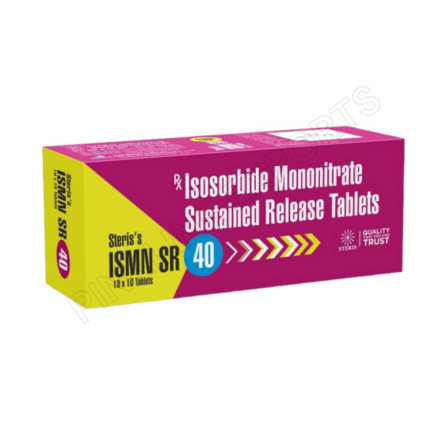
Long-acting nitrate therapy approaches may include Isosorbide Mononitrate SR Tablets 40 Mg within supervised cardiovascular care.
Monitoring & Follow-Up
Your healthcare provider may:
Monitor blood pressure regularly
Assess heart rate and symptom control
Evaluate for side effects
Adjust dose based on clinical response
Regular clinical follow-up improves safety and treatment effectiveness.
Storage Instructions
Store in a cool, dry place below 25 °C
Keep in original packaging
Protect from moisture and direct sunlight
Keep out of reach of children
Do not use past the expiry date
FAQs

.svg)