
Hydralazine Hcl Tablets 12.5 Mg
$17.40 – $45.00Price range: $17.40 through $45.00
Hydralazine HCl Tablets 12.5 Mg are prescription antihypertensive medications used to help lower high blood pressure (hypertension). They contain hydralazine hydrochloride, a vasodilator that relaxes blood vessel walls to improve blood flow and decrease vascular resistance, supporting cardiovascular health as part of a clinician-directed treatment plan.
Description
What Are Hydralazine HCl Tablets 12.5 Mg?
Hydralazine HCl Tablets 12.5 Mg are oral prescription medicines in a class of cardiovascular drugs known as direct vasodilators. They are primarily prescribed for adults with high blood pressure (hypertension) to help relax the arteries, reduce vascular resistance, and support improved blood flow.
Hydralazine may be used alone or in combination with other antihypertensive agents where blood pressure is not adequately controlled with monotherapy. It should be used only under the supervision of a qualified healthcare provider.
How Hydralazine Works
1. Vasodilation of Arteries
Hydralazine acts by relaxing the smooth muscle in arterial walls. This vasodilation reduces resistance to blood flow and helps lower elevated blood pressure.
2. Reduced Afterload
By decreasing systemic vascular resistance, hydralazine lowers the workload on the heart and reduces the force required for the heart to pump blood.
3. Enhanced Blood Flow
Relaxed arteries improve circulation and may help mitigate some complications associated with high blood pressure when used appropriately.
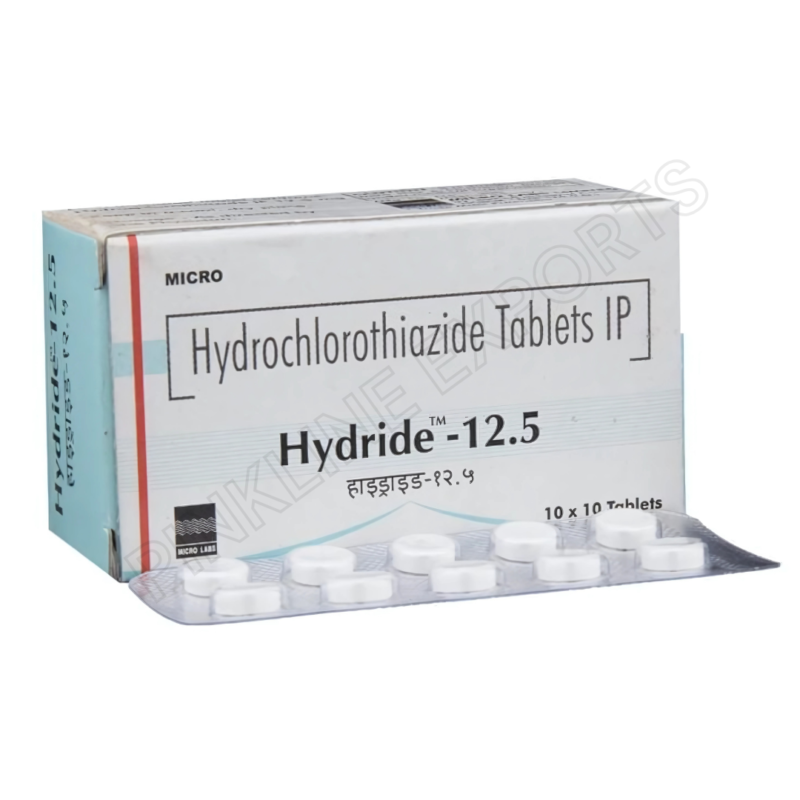
Diuretic-based cardiovascular care strategies may integrate Hydrochlorothiazide Tablets 12.5 Mg into long-term therapy models.
Indications
A clinician may prescribe Hydralazine HCl Tablets 12.5 Mg for:
Hypertension (high blood pressure)
Adjunctive therapy in patients requiring combination antihypertensive therapy
Management of resistant hypertension when other agents alone are ineffective
This medication should only be prescribed after a healthcare provider evaluates the patient’s medical history and overall cardiovascular risk.
Structured cardiovascular management protocols may include Hydralazine HCl Tablets 25 Mg as part of combination therapy planning.
Dosage & Administration
⚠ Always follow your healthcare provider’s instructions.
Usually taken 2–4 times daily depending on clinical guidance
May be taken with or without food
Swallow tablets whole with water
Do not crush or chew unless directed
Missed dose:
Take as soon as you remember unless it’s close to the next dose. Do not double up.
Clinical Benefits
Under medical supervision, hydralazine may:
Help lower elevated blood pressure
Reduce stress on the heart
Complement other antihypertensive agents for better blood pressure control
May improve symptoms associated with excessive vascular resistance
Individual responses vary based on clinical context.
Safety Information & Precautions
Before using hydralazine, tell your healthcare provider if you have:
Coronary artery disease
Heart failure
Aortic stenosis
Liver or kidney impairment
Connective tissue disorders (e.g., lupus)
Important Safety Notes
Occasionally may trigger a reflex increase in heart rate
Monitor blood pressure and heart rate regularly
Avoid abrupt discontinuation
Supervised dose adjustment is essential
Possible Side Effects
Common side effects may include:
Headache
Flushing
Dizziness or lightheadedness
Rapid heart rate (tachycardia)
Nausea
Seek medical care if you experience:
Chest pain
Severe dizziness or fainting
Irregular heartbeat
Signs of allergic reaction (rash, swelling)
Always consult with a healthcare professional for side effect evaluation.
Drug Interactions
Inform your clinician about all other medications and supplements you take, including:
Other antihypertensives
Beta-blockers
Diuretics
NSAIDs
Herbal supplements
Interactions may impact blood pressure control or alter drug effectiveness.
Medication education and bronchodilator therapy mechanisms are supported by standard drug reference resources such as MedlinePlus.
Use in Special Populations
Pregnancy & Breastfeeding
Discuss with your clinician. Use only if clearly needed and closely supervised.
Elderly Patients
Older adults may be more sensitive to blood pressure changes and dizziness; monitoring may be necessary.
Kidney or Liver Impairment
Dose adjustment and evaluation may be required based on function tests.
Monitoring & Follow-Up
Your healthcare provider may:
Check blood pressure regularly
Monitor heart rate
Assess for side effects
Adjust dose based on clinical response
Regular follow-up supports treatment safety and effectiveness.
Storage Instructions
Store tablets in a cool, dry place below 25 °C
Keep in the original container
Protect from moisture and direct sunlight
Keep out of reach of children
Do not use past the expiry date
FAQs
Hydralazine HCl 12.5 mg is a prescription medication used to help lower high blood pressure (hypertension). It works by relaxing blood vessels, allowing blood to flow more easily. This helps reduce the workload on the heart and can lower the risk of stroke, heart attack, and kidney problems linked to uncontrolled blood pressure.
Hydralazine works by relaxing the smooth muscles in the walls of blood vessels, especially arteries. This relaxation widens the vessels, reduces resistance to blood flow, and lowers blood pressure. Because it directly affects the blood vessel walls, it helps improve circulation and reduces strain on the heart.
Hydralazine is generally prescribed for adults with moderate to severe high blood pressure that needs additional control. It may also be used in heart failure or when other blood pressure medicines are not enough. Your doctor will decide if this medicine and dose suit your medical condition.
Take Hydralazine exactly as your doctor prescribes — typically once or twice daily with water. You may take it with or without food, but try to take it at the same times each day. Do not stop taking it abruptly, as sudden discontinuation can affect your blood pressure.
Common side effects may include headache, flushing, rapid heartbeat (palpitations), dizziness, or mild nausea. These effects are usually mild and may lessen as your body adjusts. If any symptom is persistent or bothersome, talk to your healthcare provider for advice.