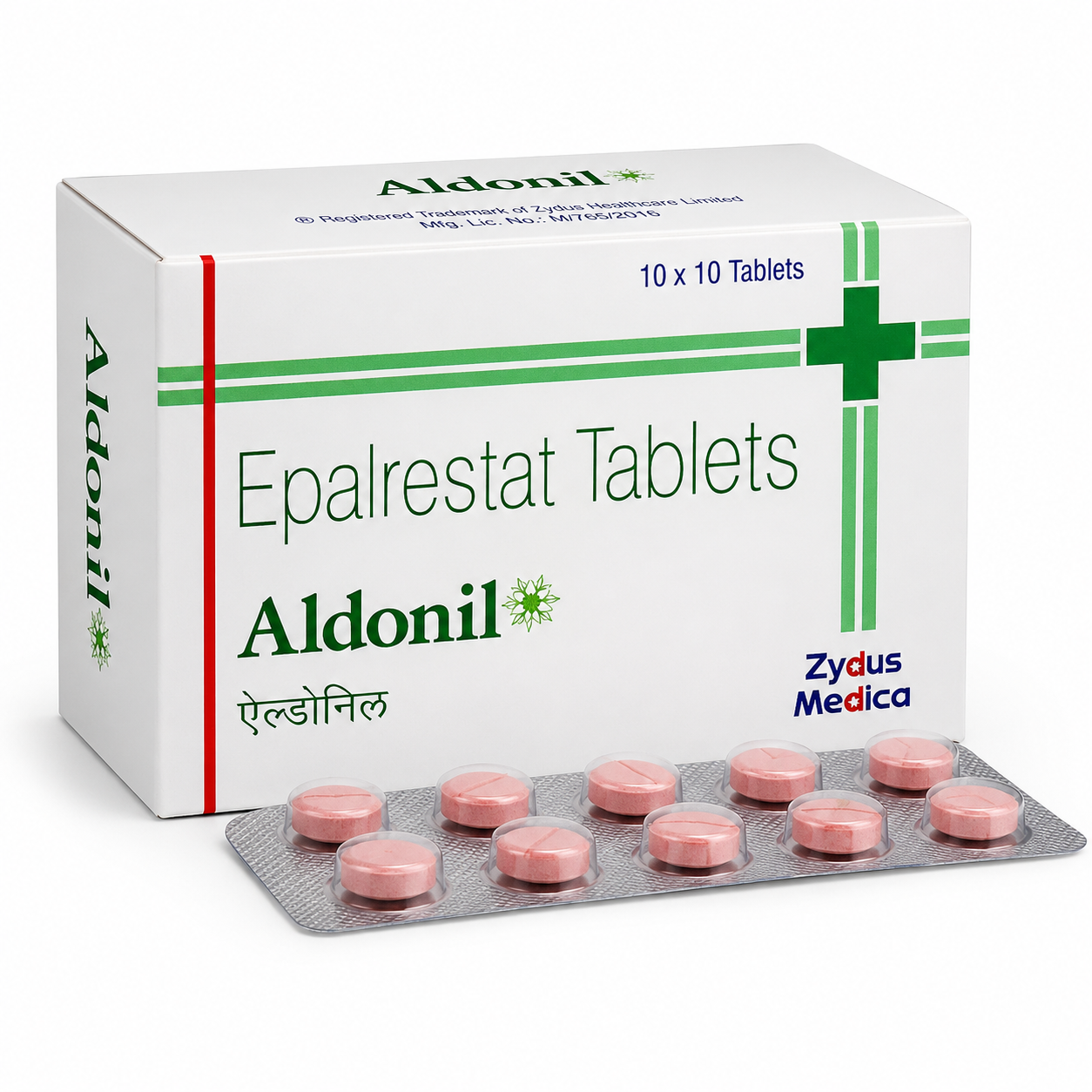
Epalrestat 50mg
Epalrestat 50mg is a prescription medication commonly used in the treatment and management of diabetic neuropathy, a complication caused by long-term uncontrolled diabetes mellitus. Diabetic neuropathy occurs when prolonged high blood sugar damages peripheral nerves, leading to symptoms such as numbness, tingling, burning sensations, weakness, and nerve pain, particularly in the hands and feet.
Epalrestat 50mg belongs to the aldose reductase inhibitor class of medications. It works by reducing sorbitol accumulation inside nerve tissues, which is considered one of the major contributors to diabetic nerve damage. By helping control this process, Epalrestat may support nerve function and reduce neuropathy-related discomfort when combined with proper diabetes management.
Patients managing diabetes-related complications may also explore Diabetes – Janumet Tablets 50/500 Mg as part of broader blood sugar control strategies under physician supervision.
For additional educational guidance, healthcare professionals frequently reference Mayo Clinic – Diabetic Neuropathy Guide and NHS – Diabetic Neuropathy Overview for updated evidence-based information regarding diabetic nerve complications and treatment safety.
Mechanism of Action
Aldose Reductase Inhibition
Epalrestat 50mg works by inhibiting the aldose reductase enzyme involved in the polyol pathway. In diabetic patients, excess glucose converts into sorbitol inside nerve tissues, leading to oxidative stress and nerve injury.
By reducing sorbitol accumulation, Epalrestat helps protect nerves from progressive diabetic damage and may improve nerve function over time.
Support for Nerve Health
The medication may help relieve common diabetic neuropathy symptoms such as burning sensations, tingling, numbness, and pain in the extremities.
Patients comparing diabetes therapies may also evaluate Diabetes – Janumet Tablets 50/500 Mg for comprehensive diabetes management and blood sugar stabilization.
Approved Medical Uses
Diabetic Peripheral Neuropathy
Epalrestat 50mg is primarily prescribed for diabetic peripheral neuropathy management in adults with long-standing diabetes mellitus.
Symptom Improvement
The medication may help improve:
- Numbness
- Tingling sensations
- Burning pain
- Weakness in limbs
- Sensory discomfort associated with diabetic nerve damage
Dosage and Administration
Standard Dosage
The dosage of Epalrestat 50mg should always be determined by a healthcare provider based on the patient’s symptoms, diabetes status, and overall treatment plan. Tablets are generally taken with meals.
Importance of Diabetes Control
Effective blood sugar management through diet, exercise, and prescribed diabetes medications remains essential for improving treatment outcomes.
Missed Dose Instructions
If a dose is missed, it should be taken when remembered unless it is close to the next scheduled dose. Patients should avoid double dosing.
Clinical Effectiveness
Clinical studies indicate that Epalrestat 50mg may improve nerve conduction and reduce neuropathy symptoms in diabetic patients when used consistently under medical supervision. Early intervention and long-term glucose control often contribute to better therapeutic outcomes.
Healthcare providers may combine neuropathy management with diabetes medications such as Diabetes – Janumet Tablets 50/500 Mg for more comprehensive metabolic care.
Safety and Side Effects
Common Side Effects
Some commonly reported side effects include:
- Nausea
- Dizziness
- Headache
- Stomach discomfort
- Diarrhea
- Mild liver enzyme elevation
Most side effects are mild and manageable during treatment.
Serious Risks
Liver Function Changes
Regular liver monitoring may be recommended during long-term therapy because some patients may develop abnormal liver enzyme levels.
Allergic Reactions
Rare allergic reactions including rash, itching, or swelling may require immediate medical attention.
For updated diabetes and neuropathy safety information, healthcare professionals commonly recommend Mayo Clinic – Diabetic Neuropathy Guide and NHS – Diabetic Neuropathy Overview as trusted educational references.
Contraindications and Precautions
Epalrestat 50mg should be used cautiously in patients with:
- Severe liver impairment
- Uncontrolled diabetes complications
- History of allergic reactions to the medication
- Concurrent therapies requiring liver monitoring
Routine medical supervision is recommended throughout treatment.
Drug Interactions
Epalrestat 50mg may interact with:
- Antidiabetic medications
- Neurological therapies
- Liver-metabolized drugs
- Antioxidant supplements
FAQs








Reviews
There are no reviews yet.