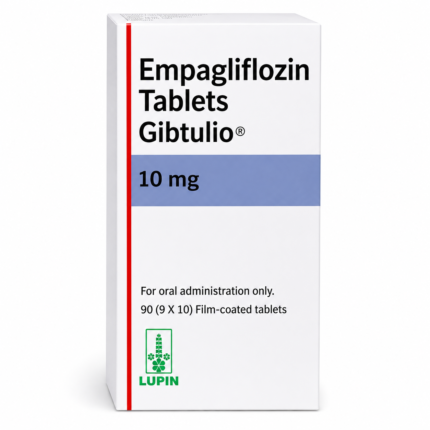
Empagliflozin 25mg
Empagliflozin 25mg is an oral prescription medication commonly prescribed for adults with type 2 diabetes mellitus. It belongs to the sodium-glucose co-transporter-2 (SGLT2) inhibitor class, which helps remove excess glucose from the body through urine. This mechanism supports improved blood sugar control while also providing additional cardiovascular and kidney-related benefits in eligible patients.
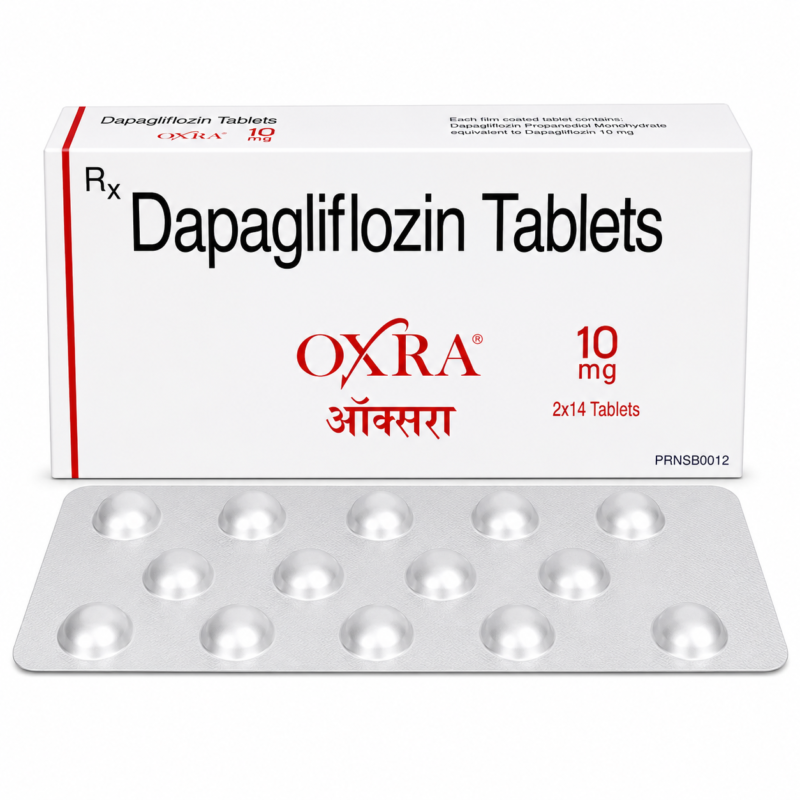
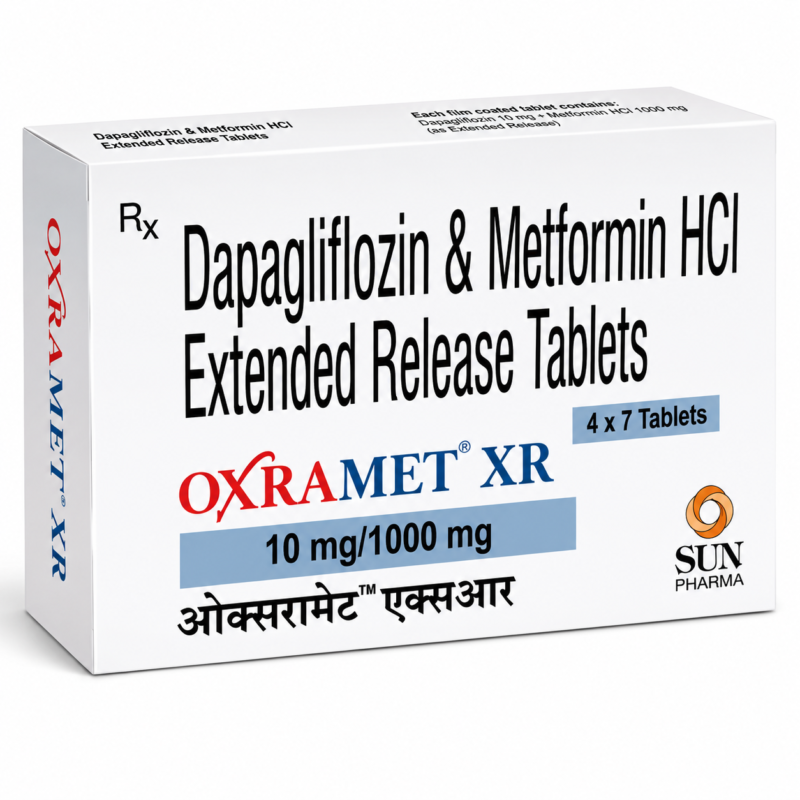
Patients researching advanced diabetes therapies often compare Empagliflozin with combination medications such as Dapagliflozin-Metformin 10mg-500mg to understand broader treatment options available for long-term glucose management.
For additional educational medical information, healthcare professionals frequently reference Mayo Clinic – Type 2 Diabetes Treatment and NHS – Diabetes Medicines Guide while discussing evidence-based diabetes care and medication safety standards.
Mechanism of Action
Reduction of Blood Glucose Levels
Empagliflozin 25mg works by blocking sodium-glucose co-transporter-2 proteins in the kidneys. These proteins normally reabsorb glucose into the bloodstream. By inhibiting this process, the medication allows excess glucose to be eliminated through urine, helping lower blood sugar levels naturally.
Benefits Beyond Blood Sugar Control
Modern clinical studies have shown that SGLT2 inhibitors may provide additional cardiovascular and renal protection in certain patients with diabetes. Because of these benefits, Empagliflozin has become an important treatment option in updated diabetes management guidelines.
Patients evaluating diabetes therapies may also review Empagliflozin and Dapagliflozin-Metformin 10mg-500mg as part of physician-guided treatment planning for metabolic health management.
Approved Medical Uses
Type 2 Diabetes Mellitus
Empagliflozin 25mg is primarily used to improve glycemic control in adults diagnosed with type 2 diabetes mellitus when combined with dietary modifications and regular exercise.
Cardiovascular Risk Reduction
Certain patients with diabetes and cardiovascular disease may benefit from reduced hospitalization risk associated with heart failure during treatment with Empagliflozin.
Kidney Protection Support
Doctors may prescribe Empagliflozin for eligible patients requiring additional kidney protection strategies related to diabetic kidney disease.
Clinical treatment information is often supported through educational references such as Mayo Clinic – Type 2 Diabetes Treatment and NHS – Diabetes Medicines Guide, which provide updated patient-focused guidance regarding diabetes medications.
Dosage and Administration
Standard Dosage
The dosage of Empagliflozin 25mg depends on the patient’s medical condition, kidney function, and physician recommendations. Tablets are usually taken once daily, preferably in the morning, with or without food.
Importance of Hydration
Because the medication increases glucose removal through urine, patients are encouraged to maintain adequate hydration throughout treatment.
Missed Dose Instructions
If a dose is missed, it should be taken when remembered unless it is close to the next scheduled dose. Double dosing is not recommended due to potential safety risks.
Clinical Effectiveness
Clinical trials have demonstrated that Empagliflozin 25mg effectively lowers HbA1c levels in adults with type 2 diabetes. Many patients may also experience modest weight reduction and blood pressure improvement during long-term treatment.
Healthcare providers often compare therapies such as Empagliflozin and Dapagliflozin-Metformin 10mg-500mg while creating personalized diabetes treatment plans based on individual patient requirements.
Safety and Side Effects
Common Side Effects
Some commonly reported side effects include:
- Increased urination
- Urinary tract infections
- Genital fungal infections
- Dizziness
- Mild dehydration
- Increased thirst
These effects are generally mild and manageable under medical supervision.
Serious Risks
Diabetic Ketoacidosis
Though uncommon, diabetic ketoacidosis may occur and requires immediate medical attention if symptoms such as nausea, vomiting, abdominal pain, or breathing difficulty appear.
Kidney Function Changes
Routine kidney monitoring is important during treatment, particularly in elderly patients or individuals with existing kidney disease.
Low Blood Pressure
Increased urination may contribute to volume depletion and low blood pressure in certain individuals.
Healthcare professionals commonly recommend reviewing evidence-based resources such as Mayo Clinic – Type 2 Diabetes Treatment and NHS – Diabetes Medicines Guide for additional medication safety information and diabetes management education.
Contraindications and Precautions
Empagliflozin 25mg should be used cautiously or avoided in patients with:
- Severe kidney impairment
- Type 1 diabetes mellitus
- History of diabetic ketoacidosis
- Severe dehydration
- Serious urinary infections
Regular medical monitoring and blood glucose evaluation are important throughout therapy.
Drug Interactions
Empagliflozin 25mg may interact with:
- Insulin
- Sulfonylureas
- Diuretics
- Blood pressure medications
FAQs











Reviews
There are no reviews yet.