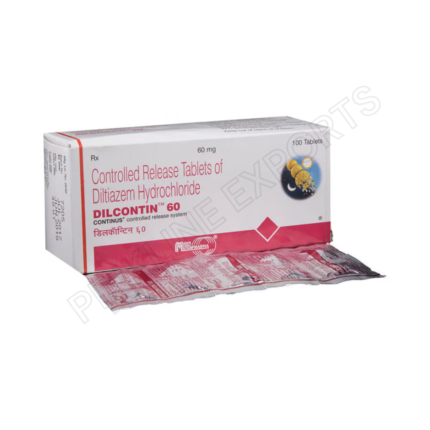
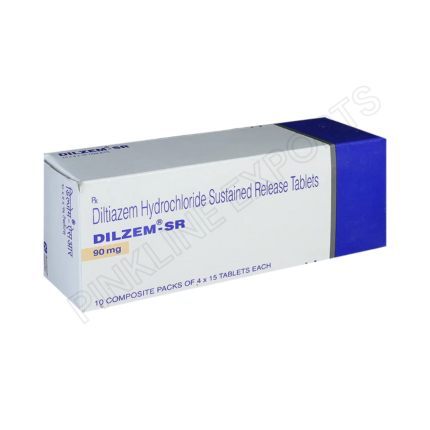
What Are Diltiazem Hydrochloride Tablets 30 Mg?
Diltiazem Hydrochloride Tablets 30 Mg are oral prescription medications in the class of calcium channel blockers (CCBs). They are commonly prescribed to help manage:
Diltiazem works by inhibiting the entry of calcium ions into cardiac and vascular smooth muscle cells, which leads to muscle relaxation and improved blood flow. This helps lower blood pressure, reduce heart workload, and may help regulate heart rhythm when clinically indicated.
This medication should be taken exactly as prescribed by a qualified healthcare professional.
How Diltiazem Works
1. Calcium Channel Blocking Action
Diltiazem inhibits calcium ion influx into heart and blood vessel muscle cells. Calcium is essential for muscle contraction; blocking its entry causes muscle relaxation.
2. Vasodilation
Relaxation of blood vessels (vasodilation) widens arteries, lowering the resistance the heart must pump against and helping reduce blood pressure.
3. Cardiac Effects
Diltiazem can also influence electrical conduction within the heart, particularly at the atrioventricular (AV) node, which may help control certain heart rhythms.
Indications
Diltiazem Hydrochloride Tablets 30 Mg may be prescribed by a clinician for:
The exact treatment plan and dosage are individualized by a qualified clinician based on medical history, blood pressure readings, and overall cardiovascular risk.
Advanced anticoagulation care frameworks may integrate Eliquis 5 Mg – Apixaban as part of supervised therapy planning.
Dosage & Administration
Always follow your healthcare provider’s instructions.
Typically taken once or twice daily (as prescribed)
Can be taken with or without food
Swallow tablets whole with water
Do not crush or chew
Missed dose:
Take as soon as you remember unless it’s close to the next scheduled dose. Do not double up.
Proper inhaler technique and treatment adherence follow standardized guidance used in national healthcare systems such as the NHS.
Clinical Benefits
When used under medical supervision:
Helps reduce high blood pressure
Relieves episodes of angina
May help control certain heart rhythm irregularities
Enhances blood flow by relaxing blood vessels
Supports overall cardiovascular management
Individual effectiveness varies based on clinical context and comorbid conditions.
Safety Information & Precautions
Before starting therapy, inform your healthcare provider if you have:
Heart failure or left ventricular dysfunction
Severe hypotension (low blood pressure)
Heart block or certain conduction disorders
Liver or kidney impairment
Pregnancy or plans to become pregnant
Important Safety Notes
May cause dizziness, headache, or flushing
Regular monitoring of heart rate and blood pressure may be advised
Avoid sudden discontinuation
Use caution when driving or operating machinery
Possible Side Effects
Common side effects may include:
Seek medical attention if you experience:
Persistent or severe low blood pressure
Rapid or irregular heartbeat
Worsening angina
Signs of allergic reaction (rash, swelling)
Consult your healthcare provider for complete safety guidance.
Drug Interactions
Inform your clinician about all prescriptions, over-the-counter medicines, and supplements you take, including:
Interactions may influence medication effectiveness or increase side effect risk.
Use in Special Populations
Pregnancy & Breastfeeding
Talk with your healthcare provider before use. Blood pressure medications during pregnancy require careful evaluation and may only be recommended if clearly needed.
Elderly Patients
Older adults may be more sensitive to the blood pressure and heart rate effects of diltiazem; monitoring may be advised.
Liver or Kidney Impairment
Dose adjustments and clinical evaluation may be required depending on organ function.
Comprehensive cardiovascular risk-management approaches may include Eliquis 2.5 Mg – Apixaban within structured care protocols.
Monitoring & Follow-Up
Your healthcare provider may:
Monitor blood pressure regularly
Assess heart rate and rhythm
Evaluate liver and kidney function if appropriate
Adjust dosage as needed
Regular clinical follow-up helps ensure safety and optimal treatment effectiveness.
Storage Instructions
Store at room temperature below 25°C
Keep in original packaging
Protect from moisture and direct sunlight
Keep out of reach of children
Do not use after the expiry date
FAQs

.svg)