
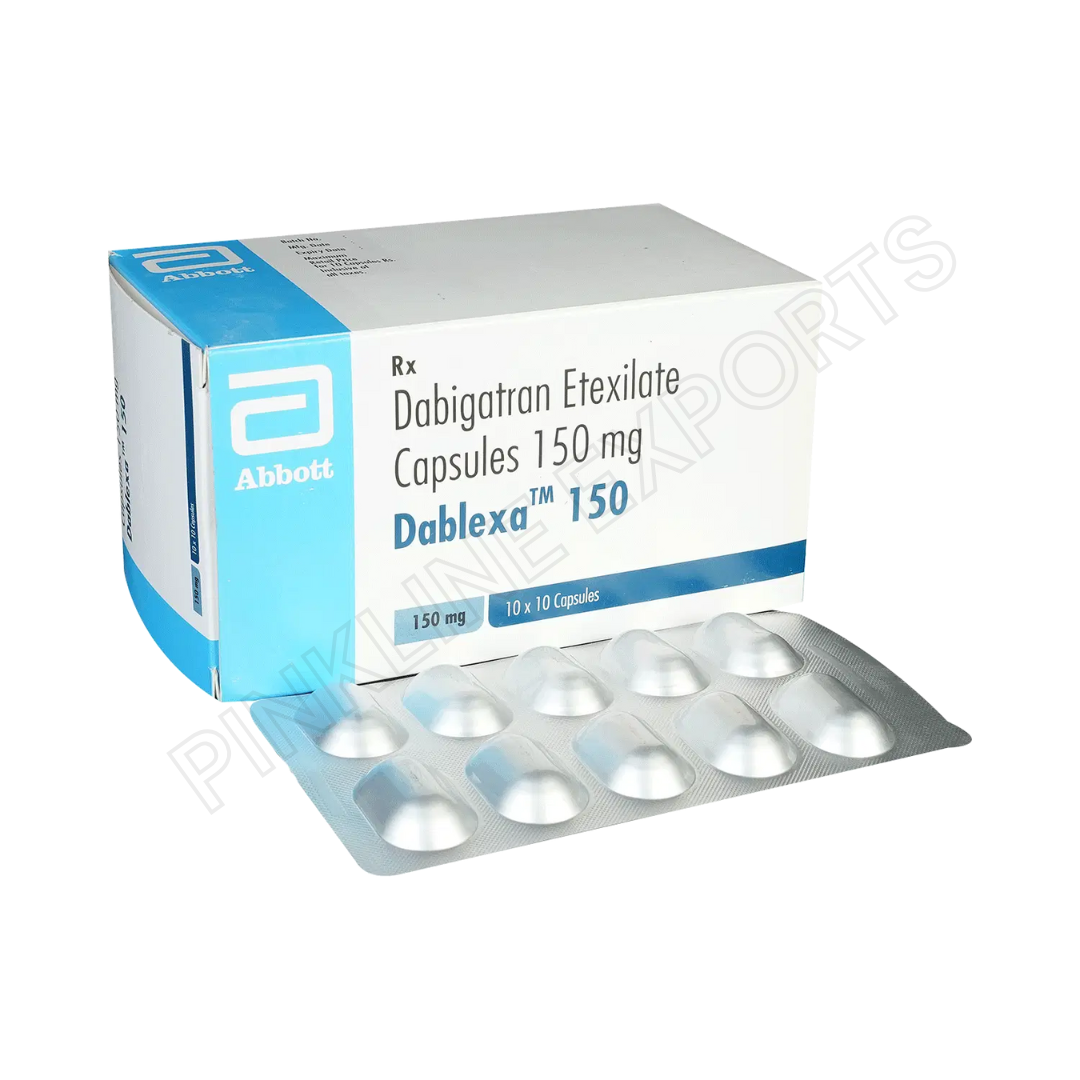
Dabigatran Etexilate Capsules 150 Mg
$66.00 – $158.40Price range: $66.00 through $158.40
Dabigatran Etexilate 150 Mg is an oral anticoagulant used to prevent and treat blood clots in conditions like atrial fibrillation, DVT, and pulmonary embolism. It works by inhibiting thrombin, reducing stroke risk. This standard dose provides effective anticoagulation under medical supervision for safe and long-term clot prevention and management.
Description
Dabigatran Etexilate Capsules 150 Mg
Dabigatran Etexilate Capsules 150 Mg is an oral anticoagulant used for the prevention and treatment of blood clots in conditions such as atrial fibrillation, deep vein thrombosis (DVT), and pulmonary embolism (PE). It helps reduce the risk of stroke and serious clot-related complications. This standard strength is commonly prescribed for effective, long-term anticoagulation therapy under medical supervision.
Mechanism of Action
Direct Thrombin Inhibition
Dabigatran blocks thrombin, an enzyme essential for blood clot formation.
Clot Prevention
This action prevents fibrin clot formation, reducing the risk of stroke and thrombosis.
Medical Uses
Dabigatran 150 Mg is used for:
- Stroke prevention in atrial fibrillation
- Treatment and prevention of DVT
- Treatment and prevention of pulmonary embolism
Dosage and Administration
It is taken orally, usually twice daily, as prescribed. Capsules should be swallowed whole with water and not crushed or chewed. Dose adjustments may be required based on kidney function and patient condition.
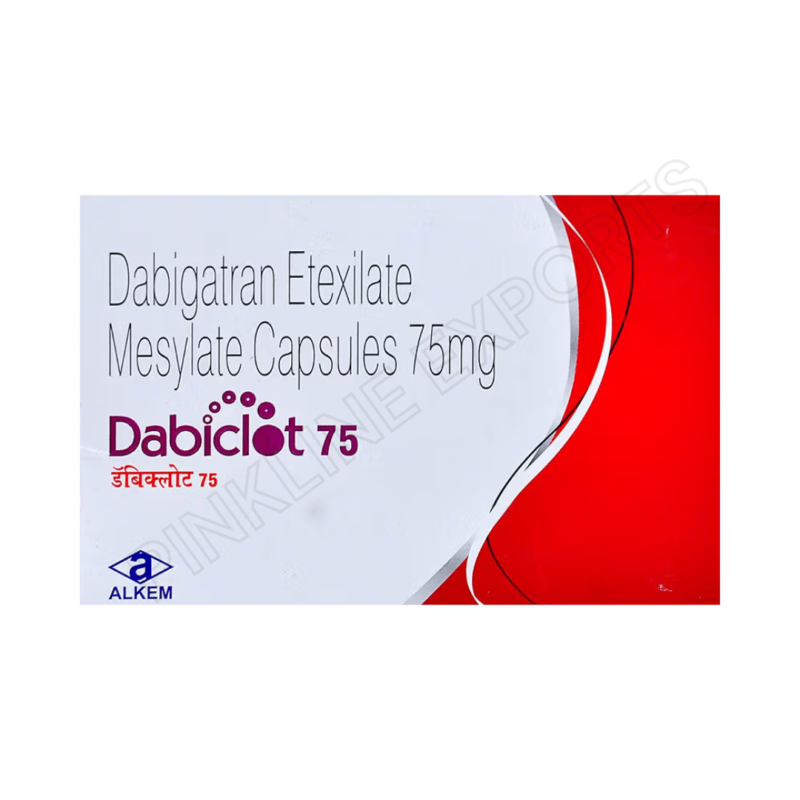
Lower doses such as Dabigatran Etexilate Capsules 75 Mg are used for dose adjustment, while alternatives like Pradaxa 110 Mg may be prescribed based on patient condition and bleeding risk.
Clinical Effectiveness
Clinical studies show that dabigatran effectively reduces the risk of stroke and systemic embolism, providing reliable anticoagulation with predictable effects when taken regularly.
Safety and Side Effects
Common Side Effects
- Indigestion
- Stomach discomfort
- Mild bleeding
Serious Risks
- Severe bleeding
- Gastrointestinal bleeding
Medical monitoring is important during therapy.
Contraindications and Precautions
Dabigatran should be used with caution in:
- Patients with kidney disease
- Individuals with bleeding disorders
- Patients undergoing surgery
Proper medical evaluation is required before use.
Drug Interactions
Dabigatran may interact with other anticoagulants, antiplatelet drugs, and certain medications affecting bleeding risk. Patients should inform their healthcare provider about all medicines they are taking.
FAQs
Dabigatran 150 Mg is used to prevent stroke in atrial fibrillation and to treat or prevent deep vein thrombosis and pulmonary embolism. It reduces the risk of harmful blood clots forming in the body, ensuring better circulation and lowering the chances of serious complications in high-risk patients.
Dabigatran works by directly inhibiting thrombin, an enzyme necessary for blood clot formation. By blocking thrombin, it prevents fibrin clot development. This helps maintain proper blood flow and significantly reduces the risk of stroke and other clot-related complications in patients requiring anticoagulation therapy.
It should be taken orally, usually twice daily, as prescribed by a doctor. Capsules must be swallowed whole with water and should not be crushed or chewed. Taking it regularly at the same time each day ensures effective anticoagulation and reduces the risk of clot formation.
It is generally safe when used under medical supervision, but it increases the risk of bleeding. Patients should follow dosage instructions carefully and report any unusual bleeding. Regular monitoring and medical guidance help ensure safe and effective use of this anticoagulant medication.
Common side effects include indigestion, stomach discomfort, and mild bleeding such as bruising or nosebleeds. These are usually manageable. Serious side effects include severe bleeding, which requires immediate medical attention. Monitoring helps reduce risks and ensures safe treatment with this medication.