Hair loss is rarely one condition with one cause. Androgenetic alopecia (pattern baldness), telogen effluvium (stress- or illness-triggered shedding), and alopecia areata (autoimmune patchy loss) each work through a different mechanism, and the medicines that treat one do little for another. Pinkline Exports' Hair Care category is organized around that distinction, supplying DHT-blocking tablets, minoxidil in both oral and topical form, combination solutions, nutraceutical support, and a JAK1-inhibitor option to licensed pharmacies and clinics across the USA, UK, Australia, and other global markets.
Rather than a single "hair growth" product line, this category is built molecule by molecule: finasteride and dutasteride block the DHT that drives pattern hair loss, minoxidil works through vasodilation and a prolonged growth phase regardless of hormone levels, and abrocitinib (Cibinqo) addresses the inflammatory pathway relevant to autoimmune hair loss. Knowing which mechanism fits which type of shedding is the difference between a product that works and one that doesn't.
What is Hair Care?
In a pharmaceutical context, hair care is the use of specific active compounds to interrupt the biological process behind hair loss, rather than general grooming or cosmetic upkeep. The three core mechanisms stocked in this category are 5-alpha reductase inhibition (finasteride, dutasteride), vasodilation and anagen-phase extension (minoxidil, oral and topical), and JAK1 inhibition for inflammatory, autoimmune-pattern hair loss (abrocitinib).
Matching the mechanism to the diagnosis matters more than matching a product to a symptom. A DHT-blocker will not help alopecia areata, and a JAK inhibitor has no established role in ordinary male pattern baldness. Buyers stocking this category benefit from carrying products across all three mechanisms so prescribers can match treatment to the specific type of hair loss a patient presents with.
Causes, Benefits & Uses
Causes of Hair Issues
- Androgenetic alopecia: DHT (a testosterone metabolite produced by 5-alpha reductase) binds androgen receptors in genetically susceptible follicles and progressively shortens the growth phase until follicles miniaturize.
- Telogen effluvium: physiological stress such as illness, surgery, childbirth, severe calorie restriction, or thyroid dysfunction pushes a larger-than-normal share of follicles into the resting phase at once, causing diffuse shedding.
- Alopecia areata: the immune system attacks hair follicles directly, causing patchy loss that is unrelated to DHT and does not respond to DHT-blocking medicines.
- Medication side effects, certain chemotherapy agents, and micronutrient deficiency (iron, biotin, protein) can also contribute to shedding independent of the above mechanisms.
Benefits of Matching the Right Treatment
- Slower progression of pattern hair loss once DHT is suppressed with finasteride or dutasteride.
- Improved blood flow and follicle activity from minoxidil's vasodilating effect, useful in both pattern loss and post-stress shedding.
- Reduced follicle-directed inflammation with JAK1 inhibition in autoimmune-pattern loss.
- Fewer wasted treatment cycles, since prescribers can select a mechanism suited to the actual diagnosis instead of a generic "growth" product.
Uses of the Products in This Category
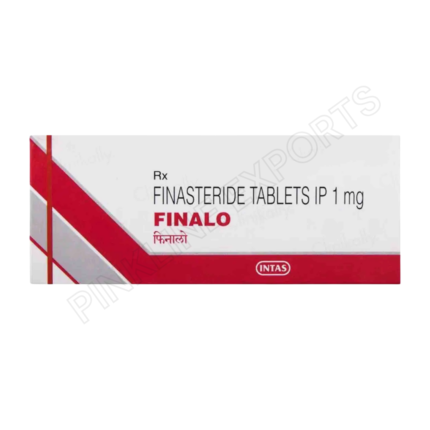
- DHT suppression for androgenetic alopecia: finasteride (Finalo, Finax, Finasteride Tablets 5 mg) and dutasteride (Dutasteride Capsules 0.5 mg).
- Vasodilation-based regrowth support in both pattern loss and telogen effluvium: minoxidil, oral (Lonitab, Minoxytop, and the 2.5 mg/5 mg/10 mg tablet range) and topical (5% and 10% solutions).
- Combined mechanisms in a single product: Minoxidil & Finasteride solutions, Minoxidil Tretinoin & Azelaic solution, and Minwin D (minoxidil + dutasteride).
- Metabolic and nutritional support alongside a core treatment: Follihair A nutraceutical tablets.
- Inflammatory-pathway therapy relevant to alopecia areata and coexisting eczema: Cibinqo (abrocitinib).
Treatment or Solution Options
- Topical treatments: Minoxidil 5% and 10% Solutions widen scalp blood vessels and prolong the follicle growth phase; the Minoxidil & Finasteride 5%/10% Solutions add local DHT suppression at the follicle without the systemic exposure of an oral tablet; the Minoxidil Tretinoin & Azelaic 5% Solution adds a retinoid to improve minoxidil absorption and azelaic acid for its anti-androgenic, scalp-calming action.
- Oral DHT-blockers: Finasteride (Finalo, Finax, Finasteride Tablets 5 mg) selectively blocks type II 5-alpha reductase; Dutasteride Capsules 0.5 mg block both type I and type II isoforms for a broader reduction in DHT, typically used as a second-line option when finasteride alone has plateaued.
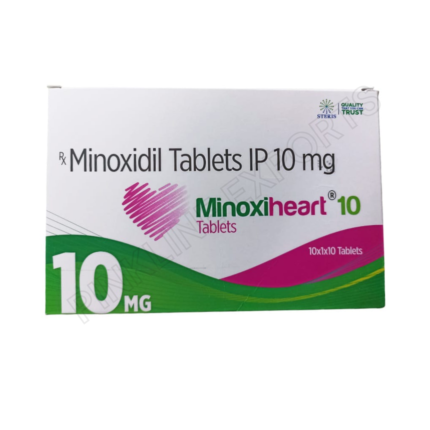
- Oral minoxidil: Low-dose tablets (Minoxidil Tablets 2.5 mg, Minoxidil 5mg Tablets, Lonitab 5 Mg, Minoxidil Tablets 10 Mg) offer a systemic alternative for patients who cannot tolerate topical irritation or find a daily scalp application impractical.
- Combination tablet: Minwin D (Minoxidil 5 mg + Dutasteride 0.5 mg) combines DHT suppression and vasodilation in one daily dose.
- Inflammatory-pathway therapy: Cibinqo (abrocitinib), a JAK1 inhibitor, is FDA-approved for moderate-to-severe atopic dermatitis and belongs to the same drug class as JAK inhibitors approved specifically for alopecia areata; its use for alopecia areata is off-label and should be guided by a dermatologist.
- Nutraceutical support: Follihair A supplies biotin and related nutrients involved in keratin synthesis, used alongside a core treatment rather than in place of one.
Using the correct product from Pinkline Exports for the correct diagnosis, rather than combining unrelated actives, is what determines whether a hair loss protocol actually works.
Practical Notes and Precautions
- Finasteride and dutasteride are contraindicated in women who are or may become pregnant, and broken or crushed tablets should not be handled by pregnant women due to the risk to a male fetus.
- A minority of finasteride and dutasteride users report sexual side effects such as reduced libido, which usually resolve after stopping treatment but have been reported to persist in some cases.
- Oral minoxidil works as a vasodilator and can cause fluid retention or lowered blood pressure; patients with existing cardiovascular conditions should be evaluated before starting it.
- Topical minoxidil commonly causes scalp irritation or dryness, particularly at the 10% concentration, and can cause unwanted hair growth on skin it contacts.
- Cibinqo carries a boxed warning shared across the JAK-inhibitor class for serious infection, malignancy, major cardiovascular events, and blood clots, and requires baseline and periodic lab monitoring under a prescriber's supervision.
- 5-alpha reductase inhibitors (finasteride, dutasteride) lower PSA readings, which is relevant for patients also being monitored for prostate health.
When to Consult an Expert/Doctor
- Sudden or rapid hair loss, especially in patches, may indicate alopecia areata or another underlying condition rather than ordinary pattern thinning, and warrants evaluation before starting a DHT-blocker.
- Persistent scalp irritation, redness, or dermatitis after starting a topical minoxidil solution should be assessed rather than self-managed.
- No visible change after three to six months of consistent use of finasteride, dutasteride, or minoxidil is a reason to review the diagnosis or treatment plan with a dermatologist.
- Any patient considering finasteride, dutasteride, oral minoxidil, or Cibinqo should be started and monitored under prescriber guidance, given the hormonal, cardiovascular, or immune-related precautions attached to each.
- Coexisting conditions such as thyroid dysfunction, iron deficiency, or a recent major illness should be investigated, since they can drive telogen effluvium independent of any hair-specific treatment.
Product Introductions
Finasteride
A selective type II 5-alpha reductase inhibitor that lowers scalp DHT and slows the miniaturization behind androgenetic alopecia. Stocked here as Finalo Tablet, Finax Tablets, and Finasteride Tablets 5 mg. It is indicated for adult men with pattern hair loss, is not appropriate for women of childbearing potential, and requires continued daily use to maintain DHT suppression.
Dutasteride
A dual 5-alpha reductase inhibitor (blocking both type I and type II isoforms) stocked as Dutasteride Capsules 0.5 mg, the generic of Avodart. It provides a broader reduction in DHT than finasteride and is commonly used as a second-line option, or combined with minoxidil in Minwin D.
Minoxidil
A vasodilator, originally an antihypertensive, that prolongs the follicle growth phase and improves blood flow to miniaturized follicles. Stocked as topical 5% and 10% Solutions, combination Minoxidil & Finasteride and Minoxidil Tretinoin & Azelaic solutions, and oral tablets at 2.5 mg, 5 mg, and 10 mg strengths (Lonitab, Minoxytop). Suitable for both androgenetic alopecia and telogen effluvium, and usable in women, unlike finasteride and dutasteride.
Cibinqo (Abrocitinib)
An oral, selective JAK1 inhibitor FDA-approved for refractory, moderate-to-severe atopic dermatitis in patients 12 and older. Cross-listed under Alopecia Areata because it shares its drug class with baricitinib and ritlecitinib, JAK inhibitors approved specifically for alopecia areata; its use for that condition is off-label and dermatologist-guided.
Some Common Hair Care Products
- Dutasteride Capsules 0.5 mg – Generic Avodart: dual 5-alpha reductase inhibition; used off-label for pattern hair loss and on-label for BPH-related prostate symptoms.
- Finasteride Tablets 5 mg: lowers DHT to slow male pattern baldness; prescription use only.
- Finalo Tablet / Finax Tablets: finasteride-based tablets for early-to-moderate androgenetic alopecia.
- Minoxidil 5% / 10% Solution: topical vasodilator applied directly to the scalp; 10% reserved for cases not responding to 5%.
- Minoxidil & Finasteride 5%/10% Solution: combined topical vasodilation and local DHT suppression in one applicator.
- Minoxidil Tretinoin & Azelaic 5% Solution: adds a retinoid for absorption and azelaic acid for scalp calming alongside minoxidil.
- Lonitab 5 Mg / Minoxidil Tablets 2.5 mg / 5 mg / Minoxytop 10 Mg: oral minoxidil tier for patients who prefer or need a systemic route over a topical one.
- Minwin D (Minoxidil 5 mg + Dutasteride 0.5 mg): one tablet combining DHT suppression and vasodilation.
- Follihair A Tablets: biotin-based nutraceutical support used alongside a core treatment.
- Cibinqo (Abrocitinib): JAK1 inhibitor for atopic dermatitis, relevant to autoimmune-pattern hair loss via its drug class.
FAQs
1. What is the difference between finasteride and dutasteride?
Finasteride selectively blocks type II 5-alpha reductase; dutasteride blocks both type I and type II, giving it a broader DHT reduction. Dutasteride is often used when finasteride alone has plateaued.
2. Is oral minoxidil as effective as the topical solution?
Both work through the same vasodilating mechanism. Oral minoxidil avoids topical scalp irritation but carries cardiovascular considerations; topical minoxidil concentrates the effect at the scalp with lower systemic exposure.
3. Can women use finasteride or dutasteride?
No — both are contraindicated in women who are or may become pregnant. Minoxidil, topical or oral, is the option used for women with androgenetic alopecia or telogen effluvium.
4. Why is Cibinqo listed under Hair Care if it's approved for eczema?
Cibinqo's FDA-approved indication is atopic dermatitis. It appears here because it shares its JAK1-inhibitor class with baricitinib and ritlecitinib, which are approved specifically for alopecia areata. Its use for alopecia areata is off-label and should be dermatologist-guided.
5. How long before finasteride, dutasteride, or minoxidil show results?
Typically three to six months of consistent daily use before an initial response can be assessed, since hair growth cycles are slow and shedding must stabilize before regrowth becomes visible.
6. What does Follihair A actually do?
It supplies biotin and related nutrients for keratin synthesis and follicle metabolism. It supports hair structurally rather than lowering DHT or increasing blood flow, so it is used alongside finasteride, dutasteride, or minoxidil rather than as a standalone treatment.