.svg)



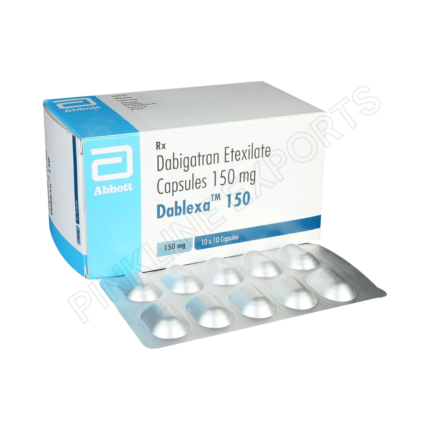
Dabigatran Etexilate Capsules 150 Mg
Price range: $66.00 through $158.40
Select options
This product has multiple variants. The options may be chosen on the product page

Dabigatran Etexilate Capsules 75 Mg
Price range: $108.00 through $270.00
Select options
This product has multiple variants. The options may be chosen on the product page

Pradaxa 110 Mg
Price range: $62.40 through $158.40
Select options
This product has multiple variants. The options may be chosen on the product page
Blood thinners are the drugs that are used to avoid blood clots, and they focus on particular stages of the coagulation process, where they lessen the blood’s capacity to clot. These drugs are important for those who have atrial fibrillation, deep vein thrombosis (DVT), mechanical heart valves, or other cardiovascular diseases.
A variety of blood thinners are available in modern medicine, including more recent direct oral anticoagulants (DOACs) like Apixaban and Rivaroxaban as well as more conventional medications like Warfarin. This group includes antiplatelet medications like aspirin and clopidogrel, which are essential for stopping platelet aggregation, which can result in arterial clots. For safe and successful treatment, it is essential to comprehend the function, mechanism, advantages, and hazards of blood thinners.
Anticoagulants & antiplatelets are the 2 primary categories of blood thinners. By interfering with the coagulation cascade, anticoagulants stop the fibrin strands that make up the structure of blood clots from forming. The vitamin K antagonist warfarin has been used for many years, but it needs to be regularly checked to make sure the blood stays within a safe therapeutic range. While more recent DOACs like Apixaban and Rivaroxaban offer fixed-dose regimens without the requirement for frequent laboratory testing, heparin is a short-acting anticoagulant that is frequently utilized in hospital settings.
Conversely, antiplatelets stop platelets from adhering to one another. Because artery clots are a major cause of heart attacks and strokes, this technique is very crucial in preventing them. The most typically prescribed antiplatelets are aspirin and clopidogrel, which are frequently used together following cardiac events.
How Blood Thinners Operate
The classification of blood thinners determines their mechanism. At certain stages, anticoagulants interfere with the coagulation cascade. Warfarin slows down the coagulation process by inhibiting vitamin K-dependent clotting factors. DOACs have a quicker beginning of effect and fewer dietary interactions since they work more directly by blocking thrombin or Factor Xa. Heparin neutralizes a number of blood clotting factors by activating antithrombin III.
On the other hand, antiplatelets concentrate on stopping platelet aggregation. When an artery is damaged, platelets—tiny cells—clump together to create clots. Clopidogrel reduces the risk of arterial thrombosis by blocking certain platelet receptors, while aspirin inhibits the enzymes that allow platelets to adhere to one another.
Identification and Handling of Emergencies
Vigilance is necessary for the early detection of adverse effects when using blood thinners. Abrupt bruising, excessive menstrual bleeding, blood in the vomit, hematuria, tarry or black feces, and excruciating headaches are major indicators of bleeding. Shortness of breath, chest pain, or swelling, pain, or redness in a limb are examples of thromboembolic symptoms that need to be treated right once. If there are any indications of clot formation, prompt medical attention is essential. To reduce any life threatening consequences, hospital-based therapies, reversal drugs, and supportive care are utilized.
Surgery, and Bridging Therapy
When undergoing surgery or other invasive operations, patients taking anticoagulants frequently need additional care. Physicians may utilize bridging therapy with shorter-acting anticoagulants, temporarily halt anticoagulation, or change the schedule of the final dose, depending on the medication and procedure risk.
Depending on renal function and bleeding risk, DOACs may be kept 24 to 48 hours prior to an operation. Low molecular weight heparin may need to be temporarily substituted for warfarin. Anticoagulation is restarted after surgery in accordance with bleeding control and recuperation, weighing the risk of clot formation against postoperative bleeding.
Blood thinners are widely used, however they are frequently misinterpreted. They merely obstruct the clotting process; they do not physically thin the blood. It is a common misconception among patients that using blood thinners completely removes the danger of bleeding. Patients still need to observe safety regulations and monitoring regimens, even with contemporary DOACs.
Clinical Recommendations
Numerous medical problems require the prescription of blood thinners. Due to clot formation in the atria, patients with atrial fibrillation, an abnormal heart beat, are highly susceptible to stroke. Anticoagulants successfully lower this risk. Anticoagulation is necessary to stop the spread and recurrence of clots in deep vein thrombosis and pulmonary embolism. Antiplatelet therapy is frequently used to patients who have had an ischemic stroke or heart attack in order to prevent subsequent occurrences.
In order to prevent clot development on the artificial valve surface, mechanical heart valves also require lifelong anticoagulation, usually with Warfarin. Anticoagulants are a crucial component of treatment since some malignancies raise the risk of clot formation. Furthermore, blood thinners and close observation are necessary for inherited clotting problems like the Factor V Leiden mutation.
Advantages of Blood Thinners
- Preventing potentially fatal clots is the main advantage of blood thinners.
- These drugs enhance long-term cardiovascular outcomes and save lives by lowering the risk of heart attack, stroke, and thromboembolic events.
- Blood thinners help patients with artificial heart valves avoid clot formation, which could otherwise result in embolic events or valve dysfunction.
- In patients who have had a prior pulmonary embolism or DVT, they are also successful in preventing recurring clots.
Dangers and Adverse Reactions
Although blood thinners are helpful, there are hazards associated with them, primarily linked to bleeding. Gum bleeding, nosebleeds, and easy bruising are examples of minor bleeding. Intracranial hemorrhage or gastrointestinal bleeding are more severe side effects that might be fatal. Certain drugs, such as Warfarin, might have uncommon side effects such skin necrosis. Because some drugs, supplements, or even specific foods can increase or decrease the anticoagulant effect, raising the risk of bleeding or clot formation, drug interactions are another major worry.
Keeping an eye on therapy
To use blood thinners safely, proper monitoring is necessary. In order to make sure the patient’s blood stays within the therapeutic range, warfarin therapy necessitates routine blood tests to evaluate the international normalized ratio (INR). Although kidney and liver function tests are crucial for appropriate dosing, DOACs usually don’t require routine laboratory monitoring. Clinical monitoring entails keeping an eye out for indications of clot development or heavy bleeding. In order to measure their reaction to treatment, patients might also use symptom diaries or home monitoring equipment.
Lifestyle Factors
Certain lifestyle changes are required for patients using blood thinners. Diet is important, especially for people using Warfarin, since stable anticoagulation requires regular vitamin K intake. To lower the risk of injury, alcohol consumption should be restricted and high-contact sports should be avoided. Bleeding issues can be reduced by employing everyday safety precautions such wearing medical alert identification, electric razors, and soft toothbrushes.
Blood thinners and surgery
Blood thinners must be carefully managed for individuals having invasive treatments or surgery. To prevent clot formation during the perioperative period, bridging therapy with short-acting anticoagulants may be necessary, and some drugs may need to be temporarily stopped. In an emergency, doctors can reduce bleeding risk while preserving anticoagulation by using rapid reversal agents for specific medications.
Particular Populations
When taking blood thinners, some populations need to exercise special caution. Due to their increased risk of bleeding, elderly people may require lower dosages or more frequent monitoring. Due to its teratogenic risks, pregnant women typically use heparin instead of Warfarin. To ensure safe therapy, patients with liver or renal impairment might need different drugs or dose modifications.
Patient Education
A key component of safe blood thinner therapy is education. Patients should be aware of the significance of routine monitoring, the intended use of their drug, and appropriate dosage schedules. They need to be able to spot warning signs of bleeding or clot formation and know when to get help right away. Adherence and safety can be ensured by keeping a drug journal and keeping lines of communication open with medical professionals.
Common Misconceptions Regarding Blood Thinners
Blood thinners are associated with a number of myths. It’s a popular misperception that they physically thin the blood, which is untrue. Blood thinners lessen the blood’s capacity to clot, but the blood’s viscosity doesn’t change. Another misconception is that blood thinners stop all bleeding; in fact, they make bleeding more likely. Lastly, patients must still adhere to clinical recommendations and periodically evaluate organ function even if some more recent anticoagulants may not require frequent laboratory testing.
Developments in Blood Thinner Treatment
Anticoagulation has undergone substantial change. These days, genetic testing aids in determining the ideal Warfarin dosage, minimizing trial-and-error modifications. The safety of DOACs has been enhanced by specific reversal agents, particularly in emergency situations. Physicians can now track therapy in real time because to telemedicine and remote monitoring, which have improved patient adherence and convenience. In order to handle high-risk patients proactively, wearable technology is being investigated for early clot formation detection.
Combination Treatment
Blood thinners and antiplatelet medications are sometimes administered together, especially following cardiac stent implantation or heart attacks. Combination therapy can lower the chance of clot formation, but it also raises the risk of bleeding, therefore careful dose monitoring and constant supervision are required.
Comprehending Blood Thinners: Types and Mechanisms
Anticoagulants and antiplatelets are the two primary categories of blood thinners. Although their functions were briefly discussed in the preceding sections, patients and caregivers can better comprehend the significance of adherence if they have a deeper understanding of their mechanisms.
The coagulation cascade, a sequence of enzymatic activities that typically produce fibrin, which stabilizes blood clots, is the main target of anticoagulants. A vitamin K antagonist called warfarin lowers the liver’s synthesis of some clotting components. Patients on Warfarin must maintain a steady diet and refrain from abrupt increases or decreases in vitamin K intake because the drug’s effects are dependent on dietary vitamin K intake. Leafy greens including spinach, kale, and mustard greens are foods high in vitamin K. The impact of Warfarin may be altered by abrupt changes, raising the risk of bleeding or clotting.
Aspirin and clopidogrel are examples of antiplatelets that stop platelets from clumping together and creating clots in arteries. In diseases like atherosclerosis, where plaque rupture can cause clot formation and obstruct blood flow to the heart or brain, this is vital. In order to stop more arterial incidents, antiplatelet medication is frequently recommended following heart attacks, strokes, or stent implantation. Dual antiplatelet therapy, which combines two antiplatelet medications to balance the risk of bleeding while offering greater protection against clot formation, is used in some circumstances.
Increased Clinical Uses
Numerous hematological and cardiovascular disorders are treated using blood thinners. Because of the production of clots in the atria, atrial fibrillation, a common cardiac rhythm problem, greatly raises the risk of ischemic stroke. By stopping these clots from reaching the brain, anticoagulants lower the risk of stroke.
When a clot forms in the deep veins, typically in the legs, it is known as deep vein thrombosis (DVT). If a portion of the clot comes loose and moves to the lungs, it can cause pulmonary embolism (PE), a potentially deadly consequence. In these cases, anticoagulation medication is crucial for stopping the spread and recurrence of clots.
Individuals who have mechanical heart valves are especially susceptible to clot development on the artificial surface. Due to substantial long-term evidence of its effectiveness and safety when properly managed, warfarin continues to be the recommended anticoagulant in these situations.
In high-risk situations, such as during surgery, during pregnancy, or during prolonged immobility, inherited clotting diseases such Factor V Leiden, prothrombin gene mutation, and antithrombin deficiency also require anticoagulation. In a similar vein, people with specific malignancies may become hypercoagulable, which raises the risk of clot formation and need customized anticoagulation treatments.
Long-Term Advantages of Blood Thinners
Blood thinners provide long-term cardiovascular protection in addition to rapid clot prevention. Antiplatelets lower the risk of secondary incidents in patients with a history of myocardial infarction or ischemic stroke. Anticoagulants reduce the lifetime risk of stroke and related disability in people with atrial fibrillation.
Additionally, research indicates that by reducing thromboembolic consequences, regular anticoagulation medication may increase survival in patients with artificial heart valves. Long-term anticoagulation helps prevent crippling sequelae like post-thrombotic syndrome, which results in persistent limb swelling, pain, and skin changes, in people who are at risk of recurrent DVT or PE.
Increased Dangers and Management Techniques
Blood thinners can save lives, but there are hazards that need to be carefully considered. Major bleeding events can be fatal, although minor bleeding, such as nosebleeds, gum bleeding, or easy bruising, is frequent. Both cerebral and gastrointestinal bleeding need to be treated right away.
Combining blood thinners with other essential medications, such as non steroidal anti-inflammatory drugs, antibiotics, or herbal supplements like high dose fish oil, will increase the risk of bleeding. As a result, it is crucial that the other patients keep an accurate prescription list. Speak with their doctors before the start of any new drugs or supplements.
Combining anticoagulants and antiplatelets may be required in certain situations. It is especially following coronary stent implantation or a recent myocardial infarction. Combination therapy will raise the risk of bleeding but lowers the possibility of clot formation. The length of therapy is determined by the patient’s risk profile after doctors thoroughly consider the advantages and disadvantages.
Many anticoagulants now have reversal medicines available as follows
- Dabigatran can be reversed by idarucizumab.
- Factor Xa inhibitors can be counteracted by andexanet alfa.
- Warfarin can be reversed by vitamin K.
These medications help doctors minimize risk while managing the emergency bleeding or getting patients ready for urgent surgery.
Innovations in Blood Thinner Treatment
The effectiveness of anticoagulant treatment has increased in the recent times now where clinicians can customize the dosages by using genetic testing for Warfarin sensitivity. Patient care is quickly incorporating digital health tools, such as wearable sensors that identify changes in clot formation, and remote monitoring apps. These tools facilitate prompt modifications, and improve safety. It will low the possibility of over or under anticoagulation and emergency management is made safe by reversal agents for DOACs.
Blood thinners are the life-saving drugs that need to be prudently managed to weigh the advantages and disadvantages. Understanding the mechanism of action, following monitoring schedules, changing one’s lifestyle, and keeping lines of communication open with medical professionals are all necessary for safe therapy. They are crucial for preventing thromboembolic events, heart attacks, and strokes in people with a variety of illnesses. The safety, effectiveness, and convenience of blood thinner therapy continue to be improved in 2026, offering patients efficient protection against clot-related problems while lowering risks.
Frequently asked questions
- Are blood thinners compatible with other drugs?
Sometimes combination therapy is required, especially when using antiplatelet medicines, although it needs to be closely monitored to prevent excessive bleeding.
- Are blood thinners safe to use when pregnant?
Warfarin should not be used during pregnancy because of teratogenicity, while heparin is usually regarded as safe. A healthcare professional must keep a close eye on you.
- When taking blood thinners, what are the warning indications of severe bleeding?
Severe bruising, blood in the vomit, black feces, leg swelling, chest pain, or dyspnea are examples of urgent symptoms.
- Which conditions call for the use of blood thinners?
Atrial fibrillation, deep vein thrombosis, pulmonary embolism, mechanical heart valves, heart attacks, stroke prophylaxis, cancer-associated thrombosis, and genetic clotting problems are among the illnesses for which blood thinners are given.
- When using Warfarin, how should one manage their diet?
Warfarin users should avoid drastic dietary changes, maintain a steady intake of vitamin K, and speak with their doctor before making any dietary adjustments.