.svg)



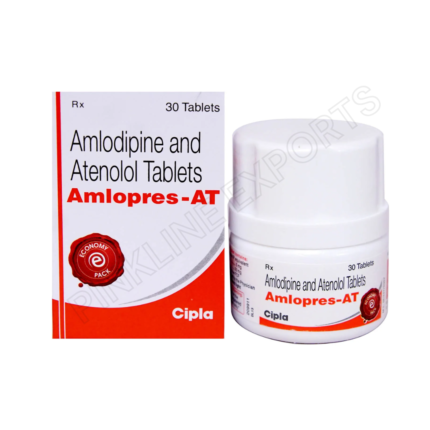
Amplopres – AT
Price range: $38.00 through $102.00
Select options
This product has multiple variants. The options may be chosen on the product page
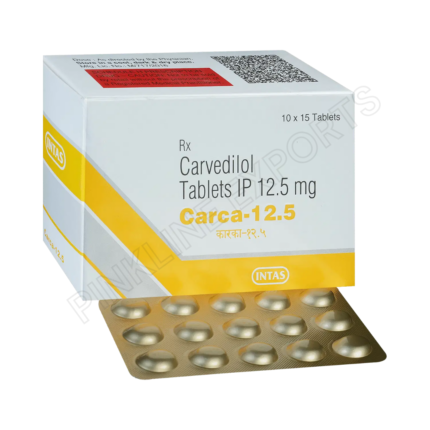
Carvedilol 12.5 Mg – Coreg
Price range: $38.00 through $108.00
Select options
This product has multiple variants. The options may be chosen on the product page
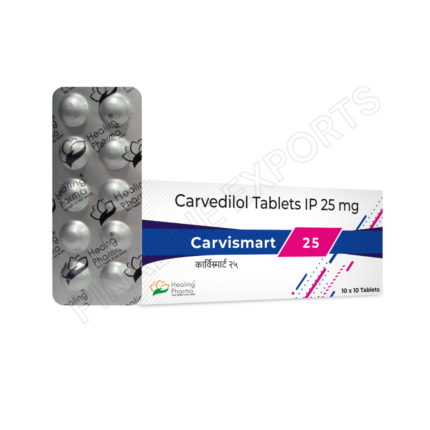
Carvedilol 25 Mg – Coreg
Price range: $40.00 through $114.00
Select options
This product has multiple variants. The options may be chosen on the product page
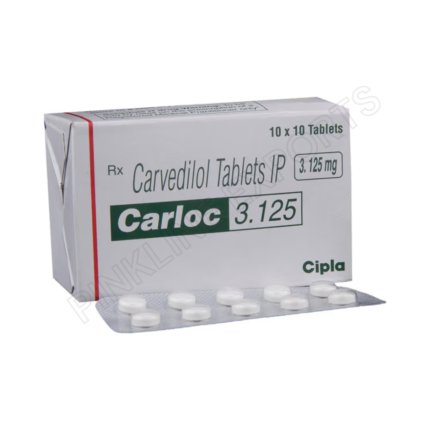
Carvedilol 3.125 Mg – Coreg
Price range: $34.00 through $96.00
Select options
This product has multiple variants. The options may be chosen on the product page

Carvedilol 6.25 Mg – Coreg
Price range: $35.00 through $99.00
Select options
This product has multiple variants. The options may be chosen on the product page

Clopidogrel Tablets 150 Mg
Price range: $34.00 through $96.00
Select options
This product has multiple variants. The options may be chosen on the product page
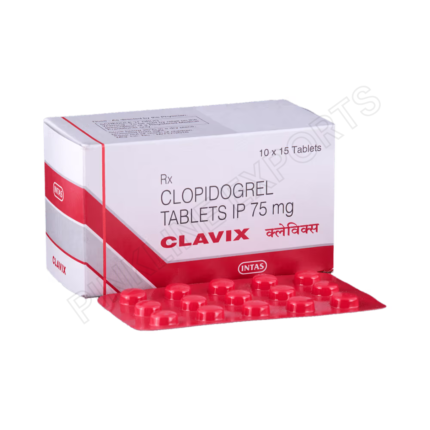
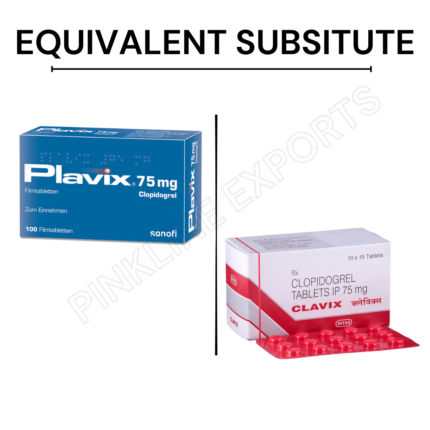
Clopidogrel Tablets 75 Mg
Price range: $32.00 through $90.00
Select options
This product has multiple variants. The options may be chosen on the product page
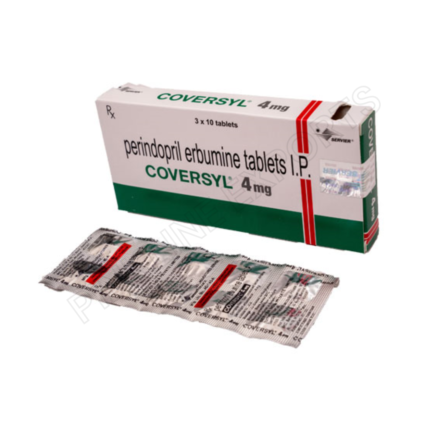
Coversyl 4 Mg
Price range: $48.00 through $138.00
Select options
This product has multiple variants. The options may be chosen on the product page

Lisinopril Tablets 10 Mg
Price range: $34.00 through $90.00
Select options
This product has multiple variants. The options may be chosen on the product page
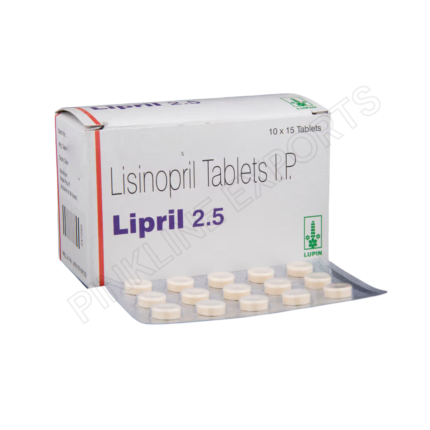
Lisinopril Tablets 2.5 Mg
Price range: $30.00 through $78.00
Select options
This product has multiple variants. The options may be chosen on the product page
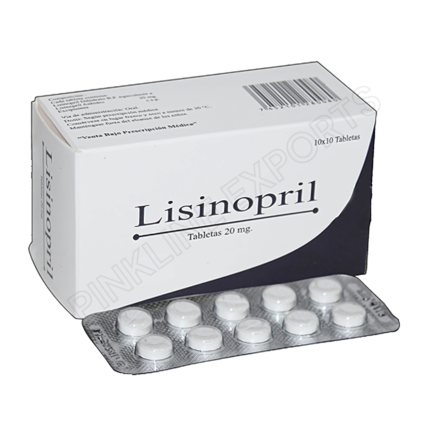
Lisinopril Tablets 20 Mg
Price range: $35.00 through $99.00
Select options
This product has multiple variants. The options may be chosen on the product page

Lisinopril Tablets 5 Mg
Price range: $32.00 through $84.00
Select options
This product has multiple variants. The options may be chosen on the product page
Blood pressure is one of the important markers of cardiovascular health and it is frequently ignored until it becomes a major issue. The force that circulating blood when it applies to artery walls is known as blood pressure, and it is necessary for the body to receive nutrients and oxygen. Millions of people worldwide have abnormal blood pressure in recent days. It raises their risk of heart disease, stroke, and other major consequences.
How our Body Manages Blood Pressure
Blood is pumped by the heart through a system of veins, capillaries, and arteries. The following factors affect blood pressure:
- The amount of blood in circulation
- The intensity of cardiac contractions
- The blood vessels’ suppleness
The heart has to work hard when arteries narrow or stiffen, which raises blood pressure.
Recognizing Blood Pressure Ranges
According to medical recommendations, blood pressure is divided into:
- Typical
120/80 mmHg or less
- Increased
Systolic: 120–129
- Diastolic: Under 80
Hypertension, or elevated blood pressure
- Stage 1: 80–89/130–139
- Stage 2: 90 or higher or 140 or higher
Hypertension
Over 180/120 mmHg (needs emergency medical attention)
Hypertension is the medical term for persistently elevated blood pressure.
The Significance of Blood Pressure
Because prolonged elevation might harm organs and blood vessels, it is essential to maintain a healthy blood pressure.
Significant Health Risks
- Renal illness
- Loss of vision
- A heart attack
- A stroke
- Disease of peripheral arteries
Uncontrolled hypertension can eventually result in potentially fatal consequences.
High blood pressure symptoms
Because it may not exhibit symptoms until difficulties develop, hypertension is frequently referred to as the “silent condition.”
Potential Symptoms (in extreme situations)
- Pain in the chest
- Breathlessness
- Bleeding in the nose
- Headaches
- Light-headedness
Because relying solely on symptoms is unreliable, routine monitoring is crucial.
Reasons for High Blood Pressure
Biological and behavioral factors can cause high blood pressure to develop gradually.
- Lack of physical activity
- Being overweight
- Causes Associated with Lifestyle
- High consumption of sodium
- Smoking
- Overindulgence in alcohol
Demographic and Genetic Factors
- Ethnic heritage
- Family background
- Age (risk rises with age)
Hypotension, or low blood pressure
Although low blood pressure can be dangerous, high blood pressure is more prevalent.
Symptoms
- Weariness
- Feeling queasy
- Fainting
- Vision blurriness
It can cause shock in extreme situations, necessitating immediate medical care.
Methods for Measuring Blood Pressure – A sphygmomanometer is a tool used to measure blood pressure.
Methods of Measurement
- 24-hour ambulatory monitoring
- In clinical contexts, manual measurement
- Home-use digital monitors
The Best Methods for Precise Readings
- Before taking a measurement, sit quietly for five minutes.
- Steer clear of coffee and smoking in advance.
- Maintain your arm at heart level.
- Take many readings.
Modifications to Lifestyle to Manage Blood Pressure
The cornerstone of blood pressure control is changing one’s lifestyle.
- Frequent Exercise – Exercise at a moderate level for at least 150 minutes a week.
- Keep Your Weight in Check – Blood pressure can be improved by even a small amount of weight loss.
- Give Up Smoking – Smoking increases blood pressure and destroys blood vessels.
-
- Limit Your Alcohol Use – Hypertension is associated with excessive alcohol drinking.
- A Nutritious Diet – Blood pressure can be controlled with a well-balanced diet full of fruits, vegetables, and whole grains. It is commonly advised to follow the DASH diet (Dietary Approaches to Stop Hypertension).
- Cut Down on Sodium Consumption – Blood pressure can be considerably reduced by consuming fewer than five grams of salt daily.
- Control Your Stress – High blood pressure may be a result of ongoing stress.
Options for Medical Treatment
Medication may be recommended if lifestyle modifications are inadequate.
Typical Types of Blood Pressure Drugs
- Diuretics
- ACE inhibitors
- Blockers of calcium channels
- Beta-blockers
Amlodipine is one example of a drug that is frequently prescribed. Always heed the advice of a healthcare professional. Medication should never be started, stopped, or changed without first consulting a doctor.
Age & Blood Pressure
As people age, their blood pressure naturally rises because of:
- Decreased artery elasticity
- A high chance of developing any chronic illnesses
- Factors that are related to lifestyle
When to Get Medical Help from a doctor
See a quick help from a medical professional if:
- You have a family history of diabetes.
- Readings more than a pressure of 180/120 mmHg need immediate medical attention.
- Your readings are higher than 130/80.
- You feel any different symptoms like light headedness or chest pain.
Strategies for Prevention of Hypertension
Preventing hypertension entails:
- Long-term health hazards are decreased by early prevention.
- Uncontrolled Blood Pressure Complications
- Keeping up a very healthy lifestyle
- Frequent medical examinations
- Steer clear of processed foods and excessive salt
- Continuing to be active
If left untreated, hypertension can lead to:
- Damage to the kidneys
- Impairment of regular vision
- Heart failure
- A stroke
Preventing problems requires early diagnosis and treatment.
The Connection Between Blood Pressure and Sleep
A vital component of cardiovascular health is sleep. Blood pressure can be adversely affected by inadequate or poor quality sleep.
- This cycle might be upset by sleep deprivation.
- Persistent hypertension may result from long-term sleep deprivation.
- The Impact of Sleep on Blood Pressure
- Deep sleep naturally lowers blood pressure.
Blood Pressure and Salt
Every body will react differently to salt consumption. Some people have high blood pressure when they consume more sodium content because they are more salt-sensitive.
Who Has a High Propensity for Salt Sensitivity?
- Individuals who have a family history of very high blood pressure
- Elderly people
- People who have renal disease
Blood pressure and diet system
Foods that are to be Avoided
- Foods that are processed
- High sodium snacks
- Sugar filled drinks
- Too much consumption of red meat
In terms of management and prevention of blood pressure, diet is very crucial factor to consider.
How to Monitor Blood Pressure easily at Home
Monitoring at home facilitates progress tracking and early change detection.
Benefits
- Lessens spikes brought up by anxiety
- Gives correct and reliable data
- Aids in assessing the efficacy of treatment
Things to Note
- Make a note for your physician.
- Make use of a verified device when checking.
- Measure every day at the same time.
Progress in Blood Pressure Control (2026)
The management of blood pressure is getting better done with modern healthcare:
- Individualized treatment regimens
- AI driven diagnostics
- Wearable surveillance equipment
- Consultations via telemedicine
Healthcare is becoming more efficient and accessible because to these advancements.
Common Misconceptions Regarding Blood Pressure
- Myth 1: Hypertension mostly affects the elderly
Reality: Young people may also be impacted.
- Myth 2: If there are no symptoms, there is no issue.
Reality: Even in the absence of any major symptoms, hypertension can be harmful.
- Myth 3: Medication is sufficient on its own
Reality: Modifying one’s lifestyle is equally crucial.
Hormones’ Function in Controlling Blood Pressure
The heart and blood arteries are not the only organs that regulate blood pressure. Hormones are essential for preserving equilibrium.
Important Hormones Involved
- Aldosterone: Regulates the retention of water and salt
- Adrenaline: Also known as epinephrine, it causes a brief increase in blood pressure and heart rate.
- Renin: Assists in controlling salt and blood volume
- Vasopressin: Increases blood pressure by assisting the body in retaining water.
Persistently elevated blood pressure may result from an imbalance in these hormones. For instance, the body may retain too much salt as a result of high aldosterone, which would raise blood pressure and volume.
Emotional well-being and stress
Physical health, especially blood pressure, is intimately related to mental and emotional well-being.
The Impact of Stress on Blood Pressure
- causes stress hormones to be released.
- raises the heart rate
- causes brief increases in blood pressure
Blood Pressure and Sleep Disorders
High blood pressure is closely linked to conditions such as sleep apnea. Frequent breathing pauses during sleep might strain the cardiovascular system and raise stress hormones.
Caffeine’s Effect on Blood Pressure
Even those without hypertension may experience a brief rise in blood pressure after consuming caffeine.
Things You Should Be Aware of
- Usually, the impact is transient.
- Frequent coffee consumers may grow tolerant.
- Caffeine sensitivity varies among people.
Keep an eye on how your body reacts to caffeine if you have high blood pressure, and talk to your doctor about how much you should consume.
Long-Term Consequences
Chronic stress can lead to long-term hypertension by promoting bad habits including smoking, eating poorly, and not exercising.
Effective Stress Reduction Strategies
- Frequent exercise
- Getting enough sleep
- Deep breathing techniques
- Mindfulness and meditation
Comprehending White Coat Hypertension
Anxiety causes some people to have elevated blood pressure readings in clinical situations. White coat hypertension is the term for this condition. Only in a medical context does blood pressure appear elevated and readings at home might be typical. Monitoring is still necessary because it could develop into actual hypertension. Accurate values can be verified by ambulatory or home blood pressure monitoring.
Masked High Blood Pressure
Masked hypertension, in which blood pressure is raised at home but seems normal in a clinical setting, is the opposite of white coat hypertension.
Why It is Important
- need constant observation
- It might go unnoticed.
- raises the possibility of heart problems
Variability in Blood Pressure
Blood pressure varies during the day and is not consistent. A healthcare provider should assess any significant or regular fluctuations as they may be a sign of underlying health problems. Overall cardiovascular health is supported by consuming enough water throughout the day.
Blood Pressure and Exercise
Exercise affects blood pressure both immediately and over time.
Advantages of exercises
- Lowers blood pressure at rest
- Makes the heart very stronger
- Increases the elasticity of blood vessels
Regular exercise yields the most benefits and therefore consistency is very crucial.
Blood Pressure and Alcohol Effects
One established risk factor for hypertension is excessive alcohol use.
Alcohol’s Effects
- Gradually raises the blood pressure
- Contributes to high weight gain by adding extra calories.
- Interferes with the prescription drugs given
Maintaining healthy blood pressure levels also requires moderation.
Blood Pressure and Smoking
Smoking affects cardiovascular health in both the short and long term.
Long-Term Consequences
- Damage to the walls of blood vessels
- Brief rise in blood pressure
- Elevated heart rate
- Elevated risk of stroke and heart disease
One of the best strategies to enhance general health is to stop smoking.
Potassium’s Function in Blood Pressure Regulation
An important mineral that keeps the body’s sodium levels in check is potassium.
Potassium’s advantages
- Promotes general cardiovascular health
- Aids in blood vessel wall relaxation
- Lessens the impact of sodium
Foods High in Potassium
- Sweet Potatoes
- Banana
- Spinach
- Beans
However, before increasing potassium intake, people with kidney illness should speak with a healthcare professional.
Blood pressure and hydration shows table blood pressure needs adequate fluids.
Variations in Blood Pressure by Gender
Men and women may have different blood pressure trends.
- Men – Greater danger at younger ages
- Women – After menopause, risk increases. Blood pressure can be affected by hormonal changes.
Comprehending these distinctions facilitates the customization of prevention and treatment approaches.
Children and Adolescents’ Blood Pressure
Younger populations may experience high blood pressure, although it is less prevalent.
Potential Reasons
- Being overweight
- A sedentary way of living
- Genetic variables
The Value of Early Identification
Changes in lifestyle that can avert long-term problems are made possible by early diagnosis.
The Value of Frequent Medical Examinations
For early detection and treatment, routine health examinations are crucial.
What to Anticipate
- Measurement of blood pressure
- Blood examinations
- Evaluation of lifestyle
Frequent visits make it easier to monitor development and modify treatment regimens as necessary.
Creating a Long-Term Blood Pressure Management Program
When it comes to blood pressure management, consistency is more crucial than perfection.
Easy Daily Routines
- Consume well-balanced meals
- Continue to be active
- Observe your blood pressure.
- Take prescription drugs as directed.
- Get enough rest.
Over time, small, regular actions can result in big gains.
Understanding your body, making wise decisions, and collaborating closely with medical professionals are all part of the lifelong commitment to blood pressure management.
The Significance of Medication Compliance in Blood Pressure Management
Consistently taking prescribed medication is an essential component of treatment for people with hypertension. Stopping medication without a doctor’s advice can cause a rebound increase, which could increase the risk of complications even when blood pressure readings improve.
The Significance of Adherence
- Aids in keeping blood pressure levels steady
- Lowers the chance of stroke and heart attack
- Keeps the brain and kidneys from suffering long-term harm.
Amlodipine and other medications are prescribed according to each patient’s unique medical needs. Adherence guarantees the efficacy of each class of medication, which functions differently.
Typical Difficulties
Some people may stop taking their medication once they feel better, forget to take their doses, or have mild side effects. These are typical but controllable problems.
Useful Advice for Maintaining Your Course
- Take your medication at the same time each day.
- Make use of reminders like pill organizers or alarms.
- Maintain a medication record.
Instead of stopping the medication, talk to your doctor about any side effects.
Self-Empowerment and Patient Education
One of the most effective strategies for controlling blood pressure is understanding your condition. Informed patients are more likely to stick to their treatment regimens and lead healthier lives.
Tips to Pay Attention to
- Understanding the range of your desired blood pressure
- Recognizing the impact of diet and exercise on your reading
- Identifying warning indicators that call for medical intervention
Healthcare professionals are crucial to education, but independent study from reliable sources is just as important.
Reliability Above Perfection
Making significant changes all at once is not the goal of blood pressure management. Rather, it’s about gradually developing sustainable habits. Little changes, like cutting back on salt, going for daily walks, or practicing stress management, can make a big difference. You can successfully control blood pressure and safeguard your long-term health by remaining informed, heeding medical advice, and making small lifestyle changes. The objective should be long-term, sustainable health rather than short-term solutions. You can successfully control your blood pressure and lower your risk of major complications by incorporating healthy habits into your daily routine and remaining informed.
Conclusion
Blood pressure is an important health indicator that needs to be proactively managed and regularly monitored. You can take charge of your health by being aware of its causes, dangers, and available treatments. You can greatly lower your risk of complications and enhance your general well-being by combining healthy lifestyle choices, routine monitoring, and medical advice.
Frequently asked questions
- What is the range of normal blood pressure?
Individual goals may differ depending on health conditions, but a normal reading is usually less than 120/80 mmHg.
- Is it possible to treat high blood pressure?
It may not always be curable, but with the right care and lifestyle modifications, it can be effectively managed.
- Which foods should I stay away from if I have high blood pressure?
Steer clear of processed foods, sugary drinks, high-sodium foods, and excessive alcohol. Emphasize whole, fresh foods.
- Can blood pressure be controlled by lifestyle modifications alone?
Lifestyle modifications like diet and exercise can be beneficial in the early stages. But some people might need to take medication.
- How frequently should my blood pressure be checked?
Periodic checks are adequate if your levels are normal. If you have been diagnosed with hypertension, heed your doctor’s advice.