.svg)



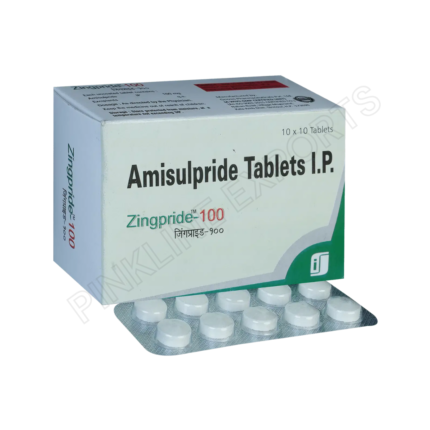
Amisulpride 100 mg Tablets – Solian
Price range: $28.00 through $72.00
Select options
This product has multiple variants. The options may be chosen on the product page

Amitriptyline Tablets 10 Mg – Elavil
Price range: $26.00 through $33.00
Select options
This product has multiple variants. The options may be chosen on the product page
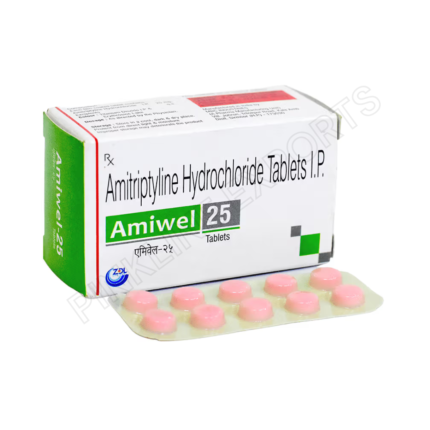
Amitriptyline Tablets 25 Mg – Endep
Price range: $18.00 through $42.00
Select options
This product has multiple variants. The options may be chosen on the product page

Amitriptyline Tablets 50 Mg – Tryptanol
Price range: $20.00 through $45.00
Select options
This product has multiple variants. The options may be chosen on the product page
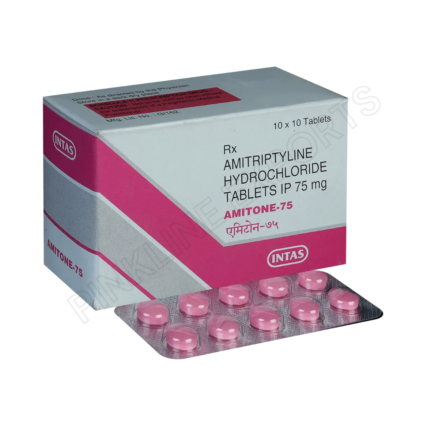
Amitriptyline Tablets 75 Mg
Price range: $21.40 through $51.00
Select options
This product has multiple variants. The options may be chosen on the product page
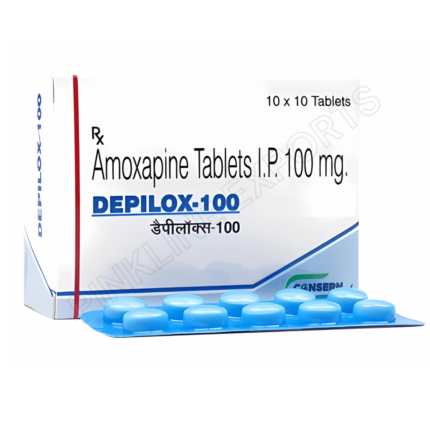
Amoxapine Tablets 100 Mg – Demolox
Price range: $24.00 through $66.00
Select options
This product has multiple variants. The options may be chosen on the product page

Amoxapine Tablets 50 Mg – Asendin
Price range: $22.00 through $60.00
Select options
This product has multiple variants. The options may be chosen on the product page

Amsulpride Tablets 200 Mg – Solian
Price range: $30.00 through $78.00
Select options
This product has multiple variants. The options may be chosen on the product page
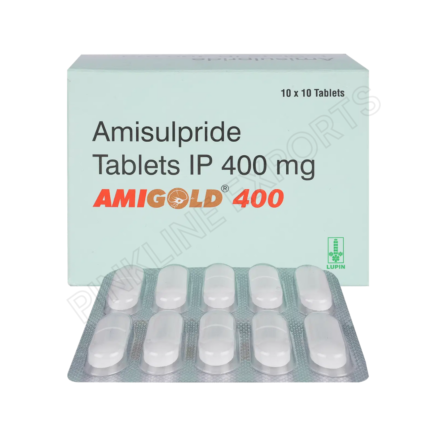
Amsulpride Tablets 400 Mg – Solian
Price range: $32.50 through $84.00
Select options
This product has multiple variants. The options may be chosen on the product page

Amsulpride Tablets 50 Mg – Solian
Price range: $26.00 through $66.00
Select options
This product has multiple variants. The options may be chosen on the product page

Atomoxetine Tablets 10 Mg – Strattera
Price range: $28.50 through $72.00
Select options
This product has multiple variants. The options may be chosen on the product page
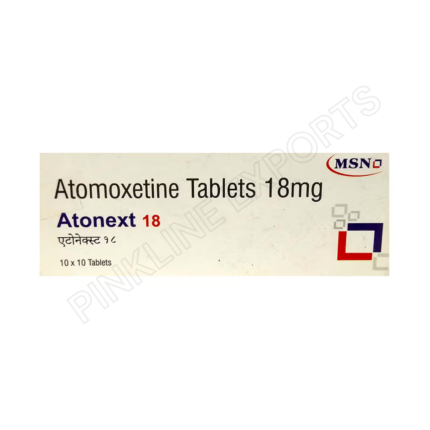
Atomoxetine Tablets 18 Mg – Strattera
Price range: $32.00 through $84.00
Select options
This product has multiple variants. The options may be chosen on the product page
Anti Psychotic is one significant class of prescription pharmaceuticals that is used to treat severe mental health issues. These drugs are used to treat psychotic symptoms, such as hallucinations, extreme agitation, delusions, and disordered thought patterns. For both individuals and families, psychosis may be a terrifying experience as psychotic individuals may find it difficult to discern between their reality and perceptions. These symptoms can seriously impair relationships, everyday functioning, and well-being if left untreated. For many years, antipsychotic drugs have been utilised in psychiatric medicine. Our knowledge of how these drugs function and how to use them efficiently has grown over time with medical research.
Antipsychotic drugs are now frequently recommended for a number of ailments, such as:
- Schizophrenia
- Bipolar illness
- Severe depression accompanied by psychotic symptoms
- Behavioural signs of some neurological conditions
Everything you need to know about antipsychotic drugs is included in this thorough reference, including how they function, their advantages, any possible negative effects, and how doctors can properly use them.
Antipsychotic Drugs
Antipsychotic drugs are used to treat all the psychotic symptoms. The term “psychosis” is a condition in which a person becomes detached from reality.
Typical signs of psychosis include:
- Being able to hear sounds or voices that other people cannot
- Observing things that are not there
- Having strong convictions that are not grounded in reality
- Disorganised speech or thought
- Extreme distrust or paranoia
Antipsychotic drugs work by altering neurotransmitters in the brain to lessen these symptoms. Antipsychotic drugs are the main treatment for schizophrenia and are frequently used for other mental illnesses, according to the National Institute of Mental Health. These drugs are typically part of a more comprehensive treatment plan that may also involve therapy and lifestyle assistance, and they must be prescribed by licensed medical practitioners.
How Antipsychotic Drugs Operate
Dopamine is the primary neurotransmitter implicated in psychosis. Chemical signalling in the brain is the main effect of antipsychotic drugs.
Dopamine is crucial for numerous brain processes, such as:
- Inspiration
- Pleasure and compensation
- Focus and education
- Control of emotions
- Control of movement
According to scientific study, psychotic symptoms may be exacerbated by aberrant dopamine activity in specific brain regions.
The majority of antipsychotic drugs function by:
- Blocking dopamine receptors, especially D2 receptors
- Cutting back on excessive dopamine signalling
- Stabilising the brain circuits responsible for perception and thought
Additionally, several more recent drugs affect serotonin receptors, which may help alleviate mood disorders and lessen some adverse effects. The National Library of Medicine offers comprehensive pharmacological information.
Comprehending Psychosis
Psychosis is a symptom of several mental health disorders rather than an illness in and of itself. A person may struggle to retain rational cognitive patterns and understand sensory data during a psychotic episode. The severity of the symptoms can vary and they can manifest gradually or abruptly.
A number of circumstances can lead to psychosis, including:
- Severe depression
- Disorders brought on by substances
- Schizophrenia
- Bipolar illness
- Some neurological disorders
Early psychosis therapy enhances long-term recovery rates, according to the World Health Organization.
Effective therapy depends on early symptom recognition and expert care.
Disorders Treated with Antipsychotic Drugs
Antipsychotic drugs were first created to treat schizophrenia, but they are now used to treat a number of neurological and mental disorders.
The most prevalent conditions that these drugs are used to treat are listed below.
Schizophrenia which is a long-term mental illness that impacts behaviour, emotions, and thought processes is schizophrenia.
Schizophrenia sufferers may encounter:
- Speech that lacks organization
- Social disengagement
- Diminished expression of emotions
- Delusions
- Illusions
For schizophrenia, antipsychotic drugs are thought to be the first line of treatment. They lessen the chance of relapse and aid with symptom management.
Bipolar Disorder
Extreme mood swings between manic and depressed episodes are a feature of bipolar illness.
Mania can cause people to:
- Thought racing
- Making snap decisions
- An elevated or agitated mood
- Decreased requirement for sleep
For the treatment of acute mania and maintenance therapy in bipolar disorder, some antipsychotic drugs are licensed.
Psychotic Features of Major Depressive Disorder
Delusions and hallucinations are examples of psychotic symptoms that some depressed people may experience. Antipsychotic drugs may be prescribed in conjunction with antidepressants in these situations.
Dementia’s Behavioural Symptoms
Antipsychotic drugs may occasionally be used to treat severe agitation or psychosis in dementia patients. However, because older persons have higher hazards, this treatment is carefully considered.
Antipsychotic Drug Types
Antipsychotic drugs are often classified into two groups.
Antipsychotics of the First Generation (Typical Antipsychotics)
The first drugs that were successful in treating psychosis were first-generation antipsychotics, which were created in the 1950s.
Examples consist of:
- Fluphenazine
- Perphenazine
- Haloperidol
- Chlorpromazine
These drugs effectively lessen psychotic symptoms by primarily blocking dopamine receptors. They might, however, have adverse effects associated to movement.
Antipsychotics of the Second Generation (Atypical Antipsychotics)
Second-generation antipsychotics impact both serotonin and dopamine receptors and were created later.
Examples consist of:
- Quetiapine
- Aripiprazole
- Clozapine
- Risperidone
- Olanzapine
These drugs may raise metabolic risks including weight gain, but they often have a decreased risk of some neurological adverse effects.
Advantages of Antipsychotic Drugs
Antipsychotic drugs can greatly enhance quality of life when properly provided.
Potential advantages consist of:
- Mood symptom stabilisation
- Decreased hostility and agitation
- Enhanced social interaction
- Decrease in illusions and hallucinations
- Enhanced capacity for clear thought
These drugs encourage long-term healing and help many people remain independent.
Typical Adverse Reactions
Antipsychotic medications may have adverse effects, just like any other medication.
Typical adverse effects consist of:
- Mouth dryness
- Constipation
- Light-headedness
- Sleepiness
- Gaining weight
Depending on the drug and the patient’s reaction, these symptoms could change.
Risks to Health and Serious Side Effects
While many people tolerate antipsychotic drugs well, some may have more severe adverse effects.
Potential dangers consist of:
- Dyskinesia Tardive which is a disorder that causes uncontrollable movements, often in the limbs or face.
- The Metabolic Syndrome – Increased blood sugar, cholesterol, and weight gain are a few examples of this.
Effects on the Heart
Certain drugs may have an impact on blood pressure or cardiac rhythm.
Changes in Hormones
- Prolactin levels may rise in response to some medications.
- Doctors frequently keep a close eye on patients because of these hazards.
Monitoring could involve:
- Blood examinations
- Weight measurements
- Monitoring blood pressure
- Screening for metabolism
How to Take Antipsychotic Drugs Safely
Healthcare professionals and patients must work closely together to ensure the safe use of antipsychotic drugs.
Among the crucial safety advice are:
- Keeping up with routine follow up appointments
- Reporting adverse consequences right away
- Taking prescription drugs as directed
- Preventing abrupt termination
- Keeping up a nutritious diet and regular exercise
Treatment programs are modified by medical professionals according to each patient’s response and state of health.
Supportive Therapies and Lifestyle
Often, a thorough mental health treatment strategy includes more than just medication.
Extra assistance helps a lot of patients, such as:
- Family support and education
- Strategies for reducing stress
- Good sleeping practices
- Psychotherapy
- Cognitive behavioural therapy
Better results are frequently seen when medicine and therapy are combined.
When to Get Correct Medical Assistance
Seeking expert medical attention is advised for anyone exhibiting symptoms including hallucinations, excessive mood swings, or intense paranoia.
The following mental health specialists may offer treatment:
- Clinical psychologists
- Therapists with licenses
- Psychiatrists
- Primary care doctors
Long-term results are improved by early diagnosis and therapy.
Long-Term Antipsychotic Drug Management
Antipsychotic drugs may be a component of a long-term therapy strategy for many people with long term mental health issues. In addition to managing symptoms, long-term care aims to enhance mental health, social functioning, and general quality of life.
When deciding how long to treat a patient, psychiatrists frequently consider a number of issues, such as:
- The past episodes’ history
- Relapse risk
- The underlying diagnosis
- The intensity of the symptoms
Reaction of the patient to medication
While some people may use antipsychotic therapy temporarily during acute episodes, others may need it for longer periods of time. The National Institute of Mental Health states that ongoing treatment can assist preserve symptom stability and lower the chance of relapse following the initial psychotic episode. Medication is kept safe and suitable through routine follow-up with medical specialists.
Medication Adherence’s Significance
Taking prescription drugs precisely as directed by a doctor is known as medication adherence. Adherence is particularly crucial for people on antipsychotic treatment because abruptly ceasing medication can raise the chance of symptom return. Sometimes side effects, a misinterpretation of the treatment’s objectives, or worries about stigma cause patients to stop taking their medications. Open communication is encouraged by healthcare professionals so that treatment plans can be modified as needed.
The following tactics could enhance drug adherence:
- Regularly going to follow up appointments for mental health
- Openly discussing adverse consequences with medical professionals
- Creating a regular daily schedule
- Using pill organisers or medication reminders
- When appropriate it will involve family members or careers
Long acting injectable antipsychotics are given every few weeks or months, and it may be recommended by doctors in some situations for some patients who have trouble remembering their daily dose. The World Health Organization has further information regarding the treatment adherence.
Monitoring and Frequent Medical Examinations
Healthcare professionals frequently advise routine medical monitoring because antipsychotic drugs might impact hormone levels, metabolism, and cardiovascular health. Monitoring guarantees that treatment is safe over time and aids in the early detection of possible side effects.
Typical monitoring could consist of:
- Monitoring the Physical Health – To spot early metabolic abnormalities, doctors may monitor waist circumference, body mass index (BMI), and weight.
- Blood Examinations – Blood tests can measure liver function, blood glucose, and cholesterol.
- Monitoring your Blood Pressure – Frequent blood pressure monitoring aids in the detection of cardiovascular alterations.
- Neurological the Evaluations – Periodic examinations may be carried out by doctors to keep an eye out for negative effects associated to mobility.
Assessment of Mental Health
Psychiatrists evaluate patients’ emotional health and symptom control on a regular basis to see if medication changes are necessary. The Food and Drug Administration (FDA) in the United States stresses the significance of keeping an eye on patients using antipsychotic drugs.
Lifestyle Elements That Encourage Therapy
Both the efficacy of medications and mental health are fully influenced by many lifestyle choices. Antipsychotic therapy patients are frequently urged to develop wholesome behaviours that enhance general wellbeing.
- A Well Balanced and healthy Diet – The risk of metabolic adverse effects may be decreased by eating a balanced diet high in fruits, vegetables, whole grains, and lean protein.
- Frequent Exercises – Exercise helps control weight, promotes cardiovascular health, and may enhance mood and cognitive performance.
- Good amount of Sleep – Emotional stability and general mental health can be enhanced by sticking to a regular sleep routine.
- Handling Stress – Prolonged stress might exacerbate mental health issues. Effective stress management may be facilitated by methods like mindfulness, relaxation techniques, or therapy.
Preventing Substance Abuse
Alcohol and illegal drugs are examples of substances that might worsen mental health symptoms and interfere with psychiatric treatments. The significance of lifestyle variables in managing mental health in general is emphasised by the Centers for Disease Control and Prevention (CDC).
Psychotherapy’s Function in Antipsychotic Therapy
Antipsychotic drugs can help manage symptoms, but many patients find that taking medication in addition to psychosocial therapy is beneficial.
People can benefit from psychotherapy:
- Control your anxiety and tension
- Gain a deeper understanding of their condition
- bolster networks of social support
- Create coping mechanisms
- Boost your ability to communicate
Cognitive behavioural therapy (CBT), which focuses on recognising and changing thought patterns that contribute to suffering, is one popular strategy.
Additional supportive therapy could consist of:
- Programs for psychoeducation
- Occupational therapy
- Family counselling methods
- Training in social skills
Long term healing results are frequently improved when medicine and therapy are combined.
Resolving the Stigma Associated with Antipsychotic Drugs
The stigma associated with psychiatric drugs persists despite improvements in mental health awareness. People may be deterred from seeking treatment if they have misconceptions about mental illness or antipsychotic medications.
In order to improve access to care and lessen stigma, education is crucial.
It is critical to recognise that:
- Mental health disorders are medical illnesses that need to be properly treated.
- Trained medical experts prescribe antipsychotic drugs based on clinical evidence.
- Many people who receive treatment for mental illnesses lead fulfilling lives.
- Reducing stigma can enhance treatment outcomes and access, according to public health organisations.
Upcoming Advancements in Antipsychotic Therapy
Medical research is still looking for methods to make antipsychotic drugs safer and more effective.
Research is still being conducted in the following areas:
- Development of Novel Drugs – To enhance symptom management and lessen adverse effects, researchers are creating novel medications that target different neurotransmitter systems.
- Customised Healthcare – Research on biomarkers and genetics may help physicians customise mental health care for each patient.
- Tools for Digital Health – To track symptoms and drug adherence, research is being done on digital monitoring systems and mobile applications.
- Programs for Early Intervention – Programs aimed at early detection and treatment of psychosis are being expanded by healthcare systems, perhaps improving long-term outcomes.
Treatment choices for people with psychotic disorders may become safer and more effective with further research. Antipsychotic drugs continue to be among the most crucial instruments in contemporary mental health treatment. These drugs can greatly enhance stability, functionality, and general quality of life for people with severe psychiatric disorders. But responsible use is crucial and qualified medical professionals who are able to assess symptoms, track side effects, and modify therapy as necessary should always direct treatment.
The best chance for long term healing and wellbeing is to combine medicine with supportive therapies, healthy lifestyle choices, and routine medical monitoring. People and communities may promote improved mental health outcomes for everyone by increasing awareness about antipsychotic drugs and lowering stigma associated with mental health treatment.
Antipsychotic drugs continue to be a mainstay of contemporary mental health care. These drugs aid in the management of severe mental health issues and enhance day to day functioning. Antipsychotics have many advantages, but because of possible negative effects and health risks, they must be used with caution. Treatment is safe, efficient, and customised to each patient’s needs when close collaboration with medical specialists is maintained. Responsible mental health care must include trustworthy medical information, appropriate monitoring, and supportive therapies.
Frequently asked questions
- What is the purpose of antipsychotic drugs?
Antipsychotic drugs are used to treat psychotic mental illnesses such as schizophrenia, bipolar disorder, and depression.
- Do antipsychotic drugs have an addictive quality?
Antipsychotics are not thought to be addictive and however, they should not be stopped suddenly and should only be used under medical supervision.
- For what duration do people use antipsychotic drugs?
The length of treatment varies according to the condition. While some people may use them for shorter periods of time under physician care, others may need long-term therapy.
- Do antipsychotic drugs make you gain weight?
Certain antipsychotics have the potential to boost appetite and cause weight gain. Exercise and diet monitoring are frequently advised by doctors.
- Is it safe to abruptly stop taking antipsychotic medication?
Abruptly stopping medication can cause withdrawal symptoms or a recurrence of mental health issues. A healthcare provider should be consulted before making any changes to your medication.