


Can Ozempic Support Weight Management and Metabolic Health in Women With PCOS?
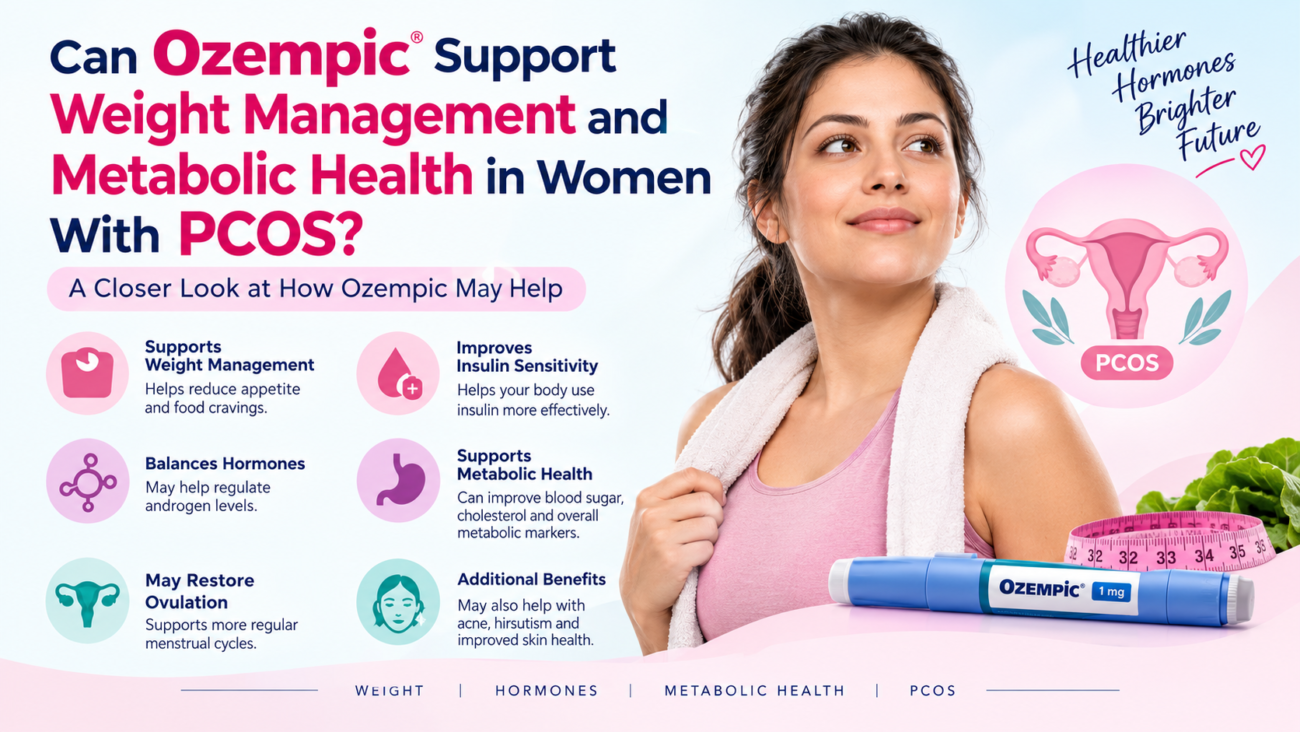
Polycystic ovary syndrome (PCOS) is a common hormonal and metabolic condition that can affect women during their reproductive years. Along with irregular periods, acne, excess hair growth, and hormonal changes, many women with PCOS experience weight gain, difficulty losing weight, and insulin resistance. These metabolic challenges can make maintaining a healthy weight more difficult.
As interest in GLP-1 medications continues to grow, many women are asking whether Ozempic can support weight management and metabolic health in women with PCOS. Ozempic contains semaglutide, a GLP-1 receptor agonist that is primarily approved for managing type 2 diabetes. Its effects on appetite, food intake, blood glucose, and body weight have also generated interest in its potential role in women with PCOS.
While Ozempic is not specifically approved as a treatment for PCOS, understanding how semaglutide works may help explain why healthcare professionals may consider GLP-1-based treatment for certain women with PCOS and metabolic concerns.
Understanding the Link Between PCOS, Weight, and Metabolic Health
PCOS is more than a reproductive or hormonal condition. It can also involve metabolic changes, particularly insulin resistance.
Insulin is a hormone that helps the body move glucose from the bloodstream into cells for energy. When the body becomes less sensitive to insulin, the pancreas may produce more insulin to maintain normal blood glucose levels. Higher insulin levels can contribute to several features associated with PCOS.
For some women, insulin resistance may be associated with:
- Difficulty managing body weight
- Increased hunger or cravings
- Higher blood glucose levels
- Increased risk of prediabetes and type 2 diabetes
- Changes in hormone activity
- Difficulty achieving sustainable weight loss
This is why PCOS weight management often involves more than simply reducing calories. Nutrition, physical activity, sleep, stress management, metabolic health, and medical care can all play important roles.
How Does Ozempic Work?
Ozempic contains semaglutide, a GLP-1 receptor agonist. GLP-1 is a naturally occurring hormone involved in appetite regulation, digestion, and blood glucose control.
Semaglutide can help support blood glucose management by stimulating insulin secretion when glucose levels are elevated and reducing glucagon secretion. It also slows gastric emptying and can influence appetite and food intake.
Because appetite may decrease during treatment, some people taking semaglutide experience weight loss.
This mechanism is particularly relevant when discussing Ozempic for weight management, although it is important to distinguish between Ozempic’s approved indications and other uses of semaglutide. Ozempic is approved for specific type 2 diabetes-related indications, while higher-dose semaglutide products have separate regulatory approvals for chronic weight management in eligible individuals.
Can Ozempic Help Women With PCOS Manage Weight?
Weight management can be challenging for women with PCOS, especially when insulin resistance and increased appetite are present. Semaglutide may help some eligible individuals reduce appetite and overall food intake, which can contribute to weight reduction.
Weight loss itself may also have broader health benefits for women with PCOS who are overweight or have obesity. Even moderate weight reduction may support improvements in several metabolic and reproductive factors.
However, individual responses vary. Ozempic should not be viewed as a universal solution for PCOS-related weight gain.
A healthcare professional may consider factors such as:
- Body mass index and overall health
- Blood glucose and metabolic status
- Existing medications
- History of gastrointestinal problems
- Pregnancy plans
- Other medical conditions
- Potential side effects
- Whether a GLP-1 medication is appropriate for the individual’s goals
For women considering weight loss products, professional guidance is especially important because products designed for weight management can differ significantly in their ingredients, regulatory status, effectiveness, and safety.
Ozempic and Insulin Resistance in PCOS
One of the most important connections between PCOS and metabolic health is insulin resistance.
Semaglutide can improve blood glucose control in people with type 2 diabetes and may contribute to improved metabolic health alongside appropriate lifestyle measures. This is one reason GLP-1 medications have attracted attention in discussions surrounding insulin resistance and PCOS.
Improved metabolic control may be particularly valuable for women who have PCOS along with overweight, obesity, prediabetes, or type 2 diabetes.
However, PCOS-related insulin resistance is complex. It cannot be assumed that treating one metabolic factor will resolve all PCOS symptoms. Hormonal health, reproductive health, nutrition, physical activity, and other factors still need to be considered.
Could Weight Management Affect PCOS Symptoms?
Body weight and metabolic health can influence several aspects of PCOS. For women who are overweight or have obesity, achieving sustainable weight reduction may support improvements in metabolic and reproductive health.
Potential benefits of improving overall metabolic health may include:
- Better blood glucose management
- Improved insulin sensitivity
- Reduced metabolic risk
- Support for healthier hormone regulation
- Improved energy levels
- Better long-term weight management
Some women may also experience changes in menstrual regularity or other PCOS-related symptoms when their overall metabolic health improves.
However, PCOS is highly individual. One woman’s experience with weight reduction may be different from another’s, and weight loss should not be considered the only measure of successful PCOS management.
Ozempic Is Not a Direct Treatment for PCOS
It is important to understand that Ozempic is not specifically approved to treat PCOS.
Its primary role is in the management of type 2 diabetes, with additional cardiovascular benefits for certain adults with type 2 diabetes and established cardiovascular disease. Semaglutide’s weight-management role depends on the specific product, dose, and regulatory indication.
Therefore, women should not start Ozempic solely because they have PCOS.
A doctor may evaluate whether a GLP-1 medication is appropriate based on the individual’s weight, metabolic health, diabetes status, other risk factors, and treatment goals.
This distinction is especially important when researching Ozempic pharmaceutical exporter websites or other online sources. Product information should be obtained from reliable pharmaceutical suppliers and verified against applicable regulatory requirements. Medication should only be used under appropriate medical supervision.
Combining Medical Treatment With Lifestyle Changes
Medication generally works best as part of a broader health strategy. For women with PCOS, lifestyle habits can remain an important part of long-term metabolic health.
1. Choose Balanced Meals
A balanced eating pattern can include protein-rich foods, vegetables, fruits, whole grains, healthy fats, and appropriate portions of carbohydrates. Rather than focusing only on eliminating specific foods, women with PCOS may benefit from a sustainable approach that supports stable energy levels and adequate nutrition.
2. Prioritize Protein and Fiber
Protein can help support muscle maintenance and satiety, while dietary fiber can support digestive health and help with fullness. Eggs, fish, chicken, legumes, vegetables, nuts, seeds, and whole grains can be incorporated according to individual nutritional needs.
3. Stay Physically Active
Regular physical activity can support insulin sensitivity, cardiovascular health, muscle strength, and weight management. A combination of resistance training, walking, aerobic activity, and other enjoyable forms of exercise can be useful.
4. Get Adequate Sleep
Poor sleep can influence appetite, energy, stress, and metabolic health. Establishing a consistent sleep routine can therefore be an important part of a PCOS management plan.
5. Monitor Metabolic Health
Women with PCOS may benefit from regular monitoring of blood glucose, blood pressure, cholesterol, and other relevant health markers, particularly when additional metabolic risk factors are present.
What About Semaglutide for PCOS?
Interest in semaglutide for PCOS is increasing because of its effects on body weight and metabolic parameters. Research into GLP-1 receptor agonists and PCOS continues, and emerging evidence suggests that weight management and improved metabolic health may have meaningful effects for some women with PCOS.
However, more research is needed to establish the full role of semaglutide specifically in PCOS and determine which women are most likely to benefit.
The important point is that semaglutide should be considered within an individualized medical treatment plan rather than as a standalone PCOS therapy.
Is Ozempic Suitable for Every Woman With PCOS?
No. Having PCOS does not automatically make someone a candidate for Ozempic.
Some women with PCOS may have a healthy body weight and no significant metabolic problems. Others may have obesity, insulin resistance, prediabetes, or type 2 diabetes. Their treatment needs can therefore be very different.
Before prescribing semaglutide, a healthcare professional may review medical history, current medications, metabolic markers, weight-management goals, and potential contraindications or precautions.
Women who are pregnant, planning pregnancy, or breastfeeding should discuss medication use with their healthcare provider before considering semaglutide.
Common Ozempic Injectable Strengths
The commonly prescribed Ozempic dosage schedule includes:
Note: Ozempic dosage should be adjusted only under the guidance of a healthcare professional. The dosing schedule for semaglutide used specifically for chronic weight management may differ depending on the approved product.
Choosing Reliable Pharmaceutical Products
As demand for GLP-1 medications and other weight loss products increases, consumers may encounter numerous online sources offering semaglutide-based products.
When sourcing pharmaceutical products internationally, quality, authenticity, regulatory compliance, appropriate storage, documentation, and secure supply chains are important considerations.
A reputable Ozempic pharmaceutical exporter should maintain appropriate pharmaceutical quality standards and provide clear product information and documentation where applicable.
Consumers and healthcare professionals should also verify whether a particular product is legally authorized and suitable for importation and use in the destination country.
The Bottom Line
So, can Ozempic support weight management and metabolic health in women with PCOS?
For some eligible women, semaglutide may support weight reduction and improved metabolic control, particularly when PCOS occurs alongside overweight, obesity, type 2 diabetes, or other metabolic concerns. These benefits may be relevant because weight and insulin resistance are closely connected with the metabolic aspects of PCOS.
However, Ozempic is not a specific treatment for PCOS, and it should not be used simply because someone has the condition. The suitability of semaglutide depends on an individual’s medical history, health status, treatment goals, and healthcare provider’s assessment.
A comprehensive PCOS strategy can combine appropriate medical care with nutritious eating, regular physical activity, adequate sleep, and ongoing monitoring of metabolic health.
As research into GLP-1 medications and PCOS continues, semaglutide may remain an area of interest for women and healthcare professionals looking for evidence-based approaches to PCOS weight management and metabolic health.
Medical Disclaimer: This content is provided for educational and informational purposes only and is not intended to replace professional medical advice, diagnosis, or treatment. Individuals considering weight management medications should consult a qualified healthcare professional before starting or modifying any treatment plan.
