

Ozempic and Menopause: Can It Help Manage Midlife Weight Gain?
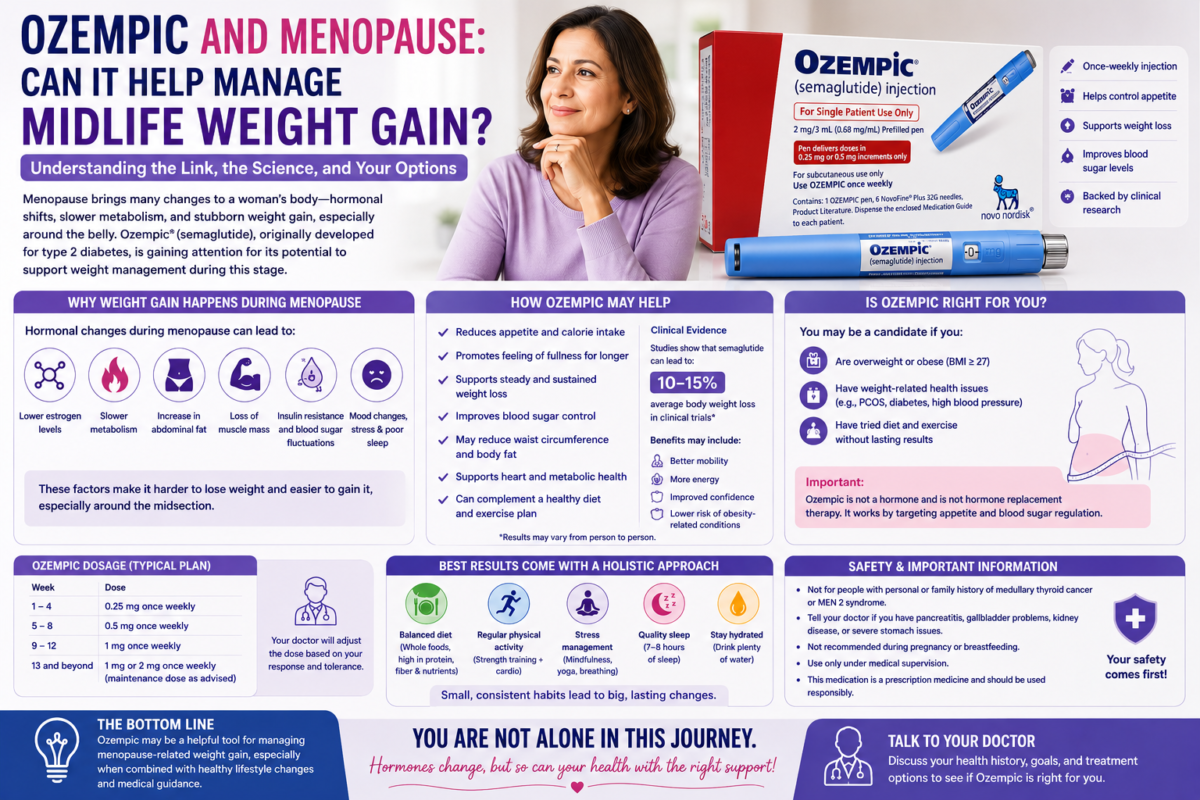
Menopause is a natural phase of life, but for many women, it comes with unexpected challenges – one of the most frustrating being weight gain. Even women who have maintained a healthy lifestyle for years often notice stubborn fat accumulating around the abdomen during perimenopause and menopause. These changes can make losing weight feel more difficult than ever before.
In recent years, Ozempic (semaglutide) has gained worldwide attention for its impressive weight-loss benefits. Originally developed to manage Type 2 diabetes, the medication has become one of the most talked-about weight loss products due to its ability to reduce appetite, improve blood sugar control, and support significant weight reduction in eligible individuals.
But can Ozempic help women experiencing menopause-related weight gain? Let’s explore the science, benefits, risks, and whether it could be the right option.
Why Does Menopause Cause Weight Gain?
Many women begin gaining weight during perimenopause, the transitional period before menopause. This weight gain often continues after menopause due to a combination of hormonal and lifestyle changes.
Some of the primary causes include:
- Declining estrogen levels
- Slower metabolism with age
- Reduced muscle mass
- Increased insulin resistance
- Poor sleep caused by hot flashes
- Stress and elevated cortisol levels
- Lower physical activity
Unlike weight gained earlier in life, menopausal weight often accumulates around the waistline, increasing the risk of cardiovascular disease, Type 2 diabetes, and metabolic syndrome. While healthy eating and regular exercise remain essential, hormonal changes can make weight loss much more challenging.
What Is Ozempic?
Ozempic is a prescription medication containing semaglutide, a GLP-1 (Glucagon-Like Peptide-1) receptor agonist. It mimics a naturally occurring hormone that regulates blood sugar and appetite.
Ozempic works by:
- Slowing stomach emptying
- Reducing hunger and food cravings
- Increasing feelings of fullness
- Improving insulin sensitivity
- Helping regulate blood glucose levels
Although Ozempic is approved primarily for Type 2 diabetes, many healthcare providers prescribe semaglutide off-label for weight management in appropriate patients, while higher-dose semaglutide is specifically approved for chronic weight management in certain populations.
How Can Ozempic Help During Menopause?
Menopause-related weight gain is driven by hormonal shifts, reduced energy expenditure, and changes in body composition. Ozempic doesn’t reverse menopause or replace estrogen, but it can address several factors that contribute to weight gain.
1. Controls Appetite
One of the biggest struggles during menopause is increased hunger and frequent cravings. Ozempic acts on appetite centers in the brain, helping women feel satisfied with smaller meals and reducing overeating.
2. Supports Weight Loss
Clinical studies have consistently shown that semaglutide promotes meaningful weight loss when combined with healthy eating and physical activity.
For women who have struggled despite diet and exercise, Ozempic may provide the additional support needed to break through weight-loss plateaus.
3. Improves Blood Sugar Control
Insulin resistance becomes more common after menopause. Ozempic improves insulin function, helping reduce blood sugar fluctuations that can increase fat storage and hunger.
4. Reduces Belly Fat
Although spot reduction isn’t possible, overall weight loss achieved with semaglutide often includes a reduction in visceral abdominal fat, which is strongly associated with menopause.
Reducing belly fat may lower the risk of:
- Heart disease
- High blood pressure
- Fatty liver disease
- Type 2 diabetes
5. Supports Long-Term Lifestyle Changes
Many women find that constant food cravings disappear while using Ozempic. This allows healthier habits to become easier to maintain over time.
Who May Benefit from Ozempic?
Ozempic may be considered for women who:
- Are overweight or obese
- Have Type 2 diabetes
- Struggle with insulin resistance
- Have obesity-related health conditions
- Have been unable to lose weight despite consistent lifestyle changes
How Research Explains the Effectiveness of Ozempic in Managing Menopausal Weight Gain ?
Recent studies specifically examining postmenopausal women have shown encouraging results.
Research has found that women undergoing menopause achieved weight loss and fat mass reduction comparable to younger women when treated with semaglutide alongside lifestyle modifications.
Experts also note that GLP-1 medications may be especially helpful for women experiencing obesity or overweight during menopause when combined with proper nutrition, regular exercise, and, where appropriate, menopausal hormone therapy.
However, Ozempic is not a menopause treatment. It does not directly treat hot flashes, mood changes, or hormonal deficiencies.
Ozempic vs. Traditional Weight Loss Methods During Menopause
Many women try various diets and exercise programs before considering medication. While healthy eating and regular physical activity remain the foundation of weight management, menopause-related hormonal changes can make these efforts less effective than they were earlier in life.
Here’s how Ozempic compares:
| Feature | Benefits | Challenges During Menopause |
|---|---|---|
| Diet Alone | Supports calorie control | Hunger and slower metabolism can make adherence difficult |
| Exercise | Preserves muscle and burns calories | Weight loss may be slower due to hormonal changes |
| Ozempic + Lifestyle Changes | Helps reduce appetite and supports weight loss | Requires a prescription and medical supervision |
| Hormone Replacement Therapy (HRT) | Helps relieve menopause symptoms | Not primarily intended for weight loss |
| Stress Management | Helps lower emotional eating and cortisol levels | Requires consistent practice for noticeable results |
| Hydration | Helps control appetite and supports metabolism | Moderate weight loss |
| Sleep Optimization | Supports hormone balance, metabolism, and recovery | Hot flashes and night sweats may interfere with sleep |
| Mindfulness Meditation | Helps reduce stress-related eating | Benefits develop gradually |
| Protein-Rich Snacks | Helps control hunger between meals | Portion sizes still matter |
Rather than replacing healthy habits, Ozempic may complement lifestyle changes by helping women better manage appetite and calorie intake.
Understanding Different Ozempic Dosages
Healthcare professionals typically personalize Ozempic treatment by adjusting the dosage based on an individual’s health condition, blood sugar control, and treatment response. The commonly prescribed dosage strengths include:
As global demand for semaglutide continues to rise, many healthcare organizations, pharmacies, and distributors partner with a trusted Ozempic wholesale supplier to ensure a reliable and consistent pharmaceutical supply.
Can Ozempic Replace Diet and Exercise?
Ozempic works best when combined with:
- Balanced nutrition
- Strength training
- Regular walking or cardio
- Quality sleep
- Stress management
Maintaining muscle mass is especially important during menopause because women naturally lose lean muscle with age. Resistance exercises and adequate protein intake help preserve muscle while losing fat.
Is Ozempic Safe for Every Woman?
Ozempic may not be appropriate for women who:
- Are pregnant or planning pregnancy
- Have a personal or family history of medullary thyroid cancer
- Have Multiple Endocrine Neoplasia syndrome type 2 (MEN2)
- Have severe gastrointestinal disorders
- Have experienced pancreatitis or other conditions where GLP-1 medicines may not be appropriate
A complete medical evaluation is essential before starting treatment.
Choosing a Trusted Pharmaceutical Exporter
As global demand for semaglutide continues to grow, healthcare distributors, pharmacies, and hospitals increasingly seek reliable international sourcing partners.
Working with an experienced Ozempic pharmaceutical exporter ensures access to genuine products that meet international quality standards, regulatory requirements, and proper cold-chain handling during transportation.
A dependable Ozempic bulk supplier should provide:
- Authentic pharmaceutical products
- Regulatory documentation
- Secure international shipping
- Temperature-controlled logistics
- Consistent product availability
- Transparent quality assurance
Choosing an established pharmaceutical exporter like Pinkline Exports helps healthcare providers maintain patient confidence while ensuring product integrity throughout the supply chain.
The Growing Demand for Weight Loss Products
The popularity of GLP-1 medications has transformed the global market for weight loss products. As obesity rates continue to rise worldwide, demand for clinically proven therapies like semaglutide has increased significantly.
Healthcare providers are increasingly integrating evidence-based medications with personalized nutrition, physical activity, and behavioral support to improve long-term outcomes. For pharmaceutical distributors and international buyers, sourcing from a trusted Ozempic pharmaceutical exporter and experienced Ozempic bulk supplier is essential to ensure reliable access to high-quality products.
Final Thoughts
Menopause-related weight gain is common, but it doesn’t have to define your health journey. Hormonal changes, slower metabolism, and increased abdominal fat can make weight management more difficult, yet effective treatment options are available.
Ozempic has emerged as one of the most promising medications for eligible individuals struggling with obesity or excess weight. By reducing appetite, improving blood sugar regulation, and supporting sustainable weight loss when paired with healthy lifestyle changes, it may help many women navigate the metabolic challenges of menopause.
However, Ozempic is not a miracle cure or a replacement for healthy habits. The best outcomes come from combining medical guidance with nutritious eating, regular exercise, strength training, stress management, and adequate sleep.
For healthcare organizations, distributors, and international buyers, partnering with a trusted Ozempic pharmaceutical exporter and dependable Ozempic bulk supplier ensures access to authentic, high-quality medications that support the growing global demand for innovative weight loss products.
Frequently Asked Questions (FAQs)
1. Can Ozempic help with menopause weight gain?
Yes, Ozempic may help eligible women manage menopause-related weight gain by reducing appetite, increasing feelings of fullness, and supporting gradual weight loss when combined with a healthy diet and regular exercise. However, it should only be used under the guidance of a healthcare provider.
2. Is Ozempic an approved treatment for menopause ?
No. Ozempic is not approved to treat menopause or relieve symptoms such as hot flashes, night sweats, or mood changes. It is primarily prescribed for type 2 diabetes and may be used for weight management in appropriate patients.
3. Can Ozempic be taken alongside Hormone Replacement Therapy ?
In some cases, Ozempic and Hormone Replacement Therapy (HRT) may be used together, but this should only be done under medical supervision. Your healthcare provider will determine whether the combination is appropriate based on your health history and treatment goals.
4. How long does it take to see weight loss with Ozempic?
Many people notice reduced appetite within the first few weeks of treatment. Meaningful weight loss typically occurs gradually over several months, especially when Ozempic is combined with a balanced diet, regular physical activity, and healthy lifestyle habits.
5. Why is choosing a reliable Ozempic Pharmaceutical Exporter ?
Choosing a trusted Ozempic pharmaceutical exporter helps ensure access to authentic, high-quality medications that comply with international quality and regulatory standards. Reliable exporters also provide secure packaging, proper documentation, and timely global distribution, making them a dependable partner for healthcare providers and pharmaceutical distributors.
Medical Disclaimer: This content is provided for educational and informational purposes only and is not intended to replace professional medical advice, diagnosis, or treatment. Individuals considering weight management medications should consult a qualified healthcare professional before starting or modifying any treatment plan.