


Can Semaglutide Help With More Than Weight Loss? Benefits You Should Know
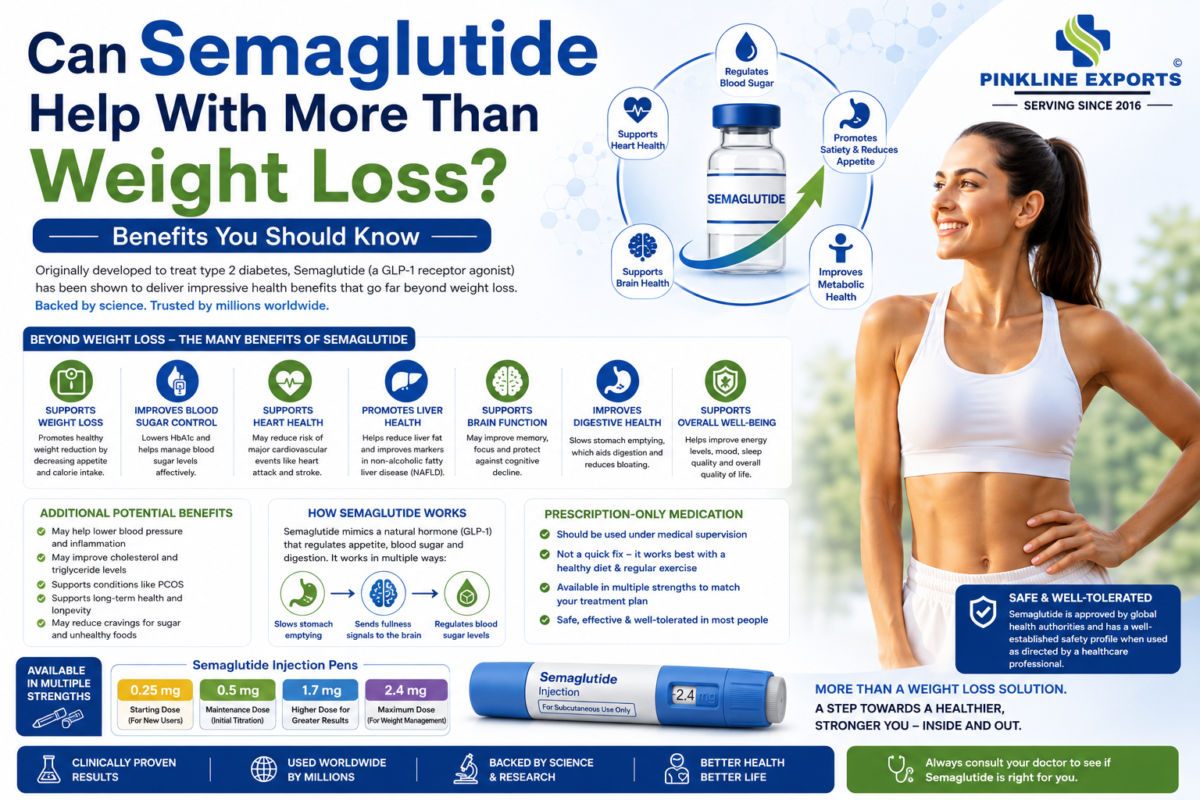
When people hear the word semaglutide, weight loss is often the first thing that comes to mind. But is losing weight really the only thing this medication can do?
Semaglutide belongs to a class of medicines called GLP-1 receptor agonists. It was initially developed for managing blood sugar in people with type 2 diabetes, and its ability to reduce appetite and body weight later made it a major topic in obesity treatment. As research has expanded, scientists have also investigated how semaglutide may affect cardiovascular health, kidney outcomes, metabolic health and certain liver conditions.
This has led to an important shift in the conversation: semaglutide may be about more than the number on the weighing scale.
However, the benefits of semaglutide depend on the specific product, approved indication, dosage and individual health condition. It is a prescription medicine and should be used under appropriate medical supervision.
Semaglutide Is More Than a Weight Loss Medication
Semaglutide works by mimicking some of the effects of a naturally occurring hormone called glucagon-like peptide-1, or GLP-1.
GLP-1 plays an important role in several processes throughout the body. It helps regulate blood glucose, influences appetite and contributes to feelings of fullness after eating.
When semaglutide activates GLP-1 receptors, it can:
Effects of GLP-1 Receptor Activation:
- Increase insulin secretion when blood glucose is elevated
- Reduce inappropriate glucagon secretion
- Slow gastric emptying
- Reduce appetite
- Increase feelings of fullness
- Reduce food intake
- Support weight management
These effects help explain why semaglutide has become widely used in the treatment of certain metabolic conditions.
7 Potential Benefits of Semaglutide Beyond Weight Loss
1. Helps Regulate Blood Sugar
One of the earliest and most established uses of semaglutide is blood glucose management in people with type 2 diabetes. Semaglutide can help improve glucose regulation by increasing insulin secretion in a glucose-dependent manner and reducing glucagon secretion when blood glucose is elevated. It is important to note that semaglutide is not a treatment for type 1 diabetes and should not replace prescribed diabetes care.
2. May Support Cardiovascular Health
The SELECT trial studied semaglutide 2.4 mg in more than 17,000 adults with established cardiovascular disease who were overweight or had obesity but did not have diabetes. Major cardiovascular events occurred less frequently among participants receiving semaglutide than among those receiving placebo, though the evidence applies to specific patient populations and approved uses.
3. May Benefit Kidney Health
The FLOW trial studied semaglutide in people with type 2 diabetes and chronic kidney disease, finding a reduced risk of major kidney-related outcomes and a slower decline in kidney function compared with placebo. These findings should be understood within the population studied; semaglutide is not a general kidney treatment for everyone.
4. Can Improve Overall Metabolic Health
Metabolic health involves several factors beyond weight, including blood glucose, insulin sensitivity, blood pressure, cholesterol, abdominal fat, cardiovascular risk and liver health. Because semaglutide can influence appetite, food intake, glucose regulation and body weight, treatment may contribute to improvements across several of these factors in appropriate patients.
5. May Support Liver Health
Metabolic dysfunction-associated steatotic liver disease (MASLD) is closely associated with obesity, insulin resistance and metabolic problems, and can progress to MASH, involving inflammation and liver fibrosis. Semaglutide has been studied for its potential effects here, and current Wegovy prescribing information includes an indication for certain adults with noncirrhotic MASH with moderate-to-advanced liver fibrosis.
6. Helps Control Appetite and Food Intake
Semaglutide works through a specific hormonal pathway involved in appetite regulation. Some people report feeling full sooner, experiencing less hunger between meals or finding it easier to control portions — though a balanced diet with sufficient protein, fiber, vitamins and minerals remains important during weight management.
7. Weight Loss Itself Can Have Wider Health Benefits
Excess body weight can contribute to type 2 diabetes, high blood pressure, cardiovascular disease, sleep-related breathing disorders, joint problems, metabolic dysfunction and fatty liver disease. For people who meet medical criteria for obesity treatment, meaningful weight reduction may help improve several of these risk factors.
Why Is Semaglutide Suddenly Everywhere?
The popularity of semaglutide has created enormous interest in prescription weight-management treatments. Searches for terms such as semaglutide, semaglutide injection, generic semaglutide and weight loss products have increased as more people become familiar with GLP-1 medications.
But there is an important difference between semaglutide and ordinary over-the-counter slimming products. Semaglutide is a prescription medicine with specific indications, dosing schedules, contraindications and potential adverse effects. It should not be treated like a conventional supplement or general-purpose slimming product.
The growing demand has also made pharmaceutical sourcing increasingly important. Businesses looking for semaglutide products should pay close attention to product documentation, regulatory requirements, manufacturing standards, storage conditions and import regulations.
Generic Semaglutide: What Should Buyers Know?
The increasing global interest in semaglutide has also created demand for generic and pharmaceutical versions of semaglutide in markets where they are legally available.
For organizations researching pharmaceutical sourcing, terms such as Generic Semaglutide Injection Exporter and Global Pharmaceutical Exporter may be relevant when evaluating potential suppliers. However, choosing a pharmaceutical supplier involves more than comparing prices.
Businesses should consider factors such as:
- Product documentation
- Applicable regulatory approvals
- Manufacturing and quality standards
- Packaging and labeling
- Storage requirements
- Batch information
- Export documentation
- Destination-country import regulations
- Supplier credentials
Pinkline Exports provides information about its generic semaglutide range through its dedicated Generic Semaglutide product category. Businesses exploring international pharmaceutical sourcing can review the available product information and independently verify the regulatory and quality requirements applicable to their market.
Who May Benefit From Semaglutide?
Semaglutide may be prescribed for different medical purposes depending on the specific product and country. Potential treatment populations may include people who:
- Have type 2 diabetes
- Meet established criteria for medical weight management
- Have obesity or overweight with relevant health risks
- Have certain cardiovascular conditions alongside overweight or obesity
- Have specific kidney-related conditions associated with type 2 diabetes
- Have certain forms of MASH where the relevant product is approved
The important point is that there is no one-size-fits-all semaglutide treatment. A healthcare professional should assess a person’s medical history, current medications, health conditions and treatment goals before recommending semaglutide.
Who Should Be Careful With Semaglutide?
Semaglutide is not appropriate for everyone. Certain people may have contraindications or require additional medical assessment before treatment.
Important Safety Considerations:
- Wegovy carries a boxed warning related to thyroid C-cell tumors based on rodent findings and is contraindicated in people with a personal or family history of medullary thyroid carcinoma or Multiple Endocrine Neoplasia syndrome type 2
- A history of pancreatitis, gallbladder disease, kidney problems, gastrointestinal conditions or diabetic retinopathy may require additional medical assessment
- Weight-loss treatment is generally not appropriate during pregnancy; people who are pregnant, planning pregnancy or breastfeeding should discuss semaglutide with their healthcare provider
Can Semaglutide Replace Diet and Exercise?
Semaglutide should not be viewed as a replacement for healthy lifestyle habits. A comprehensive approach to weight and metabolic health may include:
Balanced Nutrition
Meals should provide adequate protein, fiber, vegetables, fruits, whole grains and healthy fats while meeting individual nutritional needs.
Physical Activity
Regular aerobic exercise and resistance training can support cardiovascular fitness, strength and muscle preservation.
Sleep
Adequate sleep can support appetite regulation, energy levels and overall metabolic health.
Medical Monitoring
Healthcare professionals may monitor weight, blood glucose, blood pressure, kidney function and other relevant health markers depending on the individual’s treatment plan.
Combining medication with sustainable lifestyle changes can provide a more comprehensive approach than relying on medication alone.
Semaglutide vs. Traditional Weight Loss Products
The phrase weight loss products covers a very broad category. It can include dietary supplements, meal replacements, herbal products, over-the-counter products and prescription medicines. Semaglutide is fundamentally different from many of these products because it is a prescription GLP-1 receptor agonist that acts on specific physiological pathways.
That does not automatically make every semaglutide product suitable for every person. Consumers should avoid purchasing medicines from questionable sources or using products without verifying their authenticity, labeling and regulatory status. When sourcing pharmaceutical products internationally, businesses should also understand the regulations governing pharmaceutical imports in the destination country.
Explore Our Generic Semaglutide Range
Pinkline Exports offers a range of semaglutide formulations for pharmaceutical sourcing, including:
As a Generic Semaglutide Injection Exporter and Global Pharmaceutical Exporter, Pinkline Exports provides different semaglutide formulations for international pharmaceutical sourcing. Buyers should verify product specifications, quality documentation, applicable regulations, storage requirements, and destination-country import rules before sourcing pharmaceutical products.
What Does the Future Hold for Semaglutide?
Semaglutide has already changed the conversation around obesity and metabolic disease. Scientists are investigating how GLP-1-based medicines may influence different aspects of metabolic and cardiovascular health. Research into obesity, diabetes, kidney disease, liver disease and cardiovascular outcomes continues to shape the understanding of these medicines.
The most interesting question may therefore no longer be: “How much weight can semaglutide help someone lose?”
Instead, the broader question is: “How can GLP-1-based treatment contribute to better long-term metabolic health?”
That shift could have major implications for the future of obesity and chronic disease management.
Final Takeaway: Is Semaglutide About More Than Weight Loss?
The answer is yes, in certain patient populations and approved indications.
Semaglutide has demonstrated effects that extend beyond weight reduction. It can help regulate blood glucose and appetite, while clinical research has also demonstrated cardiovascular and kidney-related benefits in specific populations. Emerging and approved indications have also increased interest in its potential role in liver disease.
But semaglutide is not a magic solution or an ordinary slimming product. Its benefits, risks and suitability depend on the individual and the specific product being used. Medical supervision, appropriate dosing, lifestyle changes and regular follow-up remain important components of responsible treatment.
As demand for semaglutide and other weight loss products continues to grow worldwide, both patients and pharmaceutical buyers should focus on quality, legitimacy, regulatory compliance and informed decision-making rather than simply choosing the cheapest or most easily available option.
Medical Disclaimer: This content is provided for educational and informational purposes only and is not intended to replace professional medical advice, diagnosis, or treatment. Individuals considering weight management medications should consult a qualified healthcare professional before starting or modifying any treatment plan.