


Choosing Between Mounjaro 10 mg and 15 mg: What Influences Dosage Decisions?
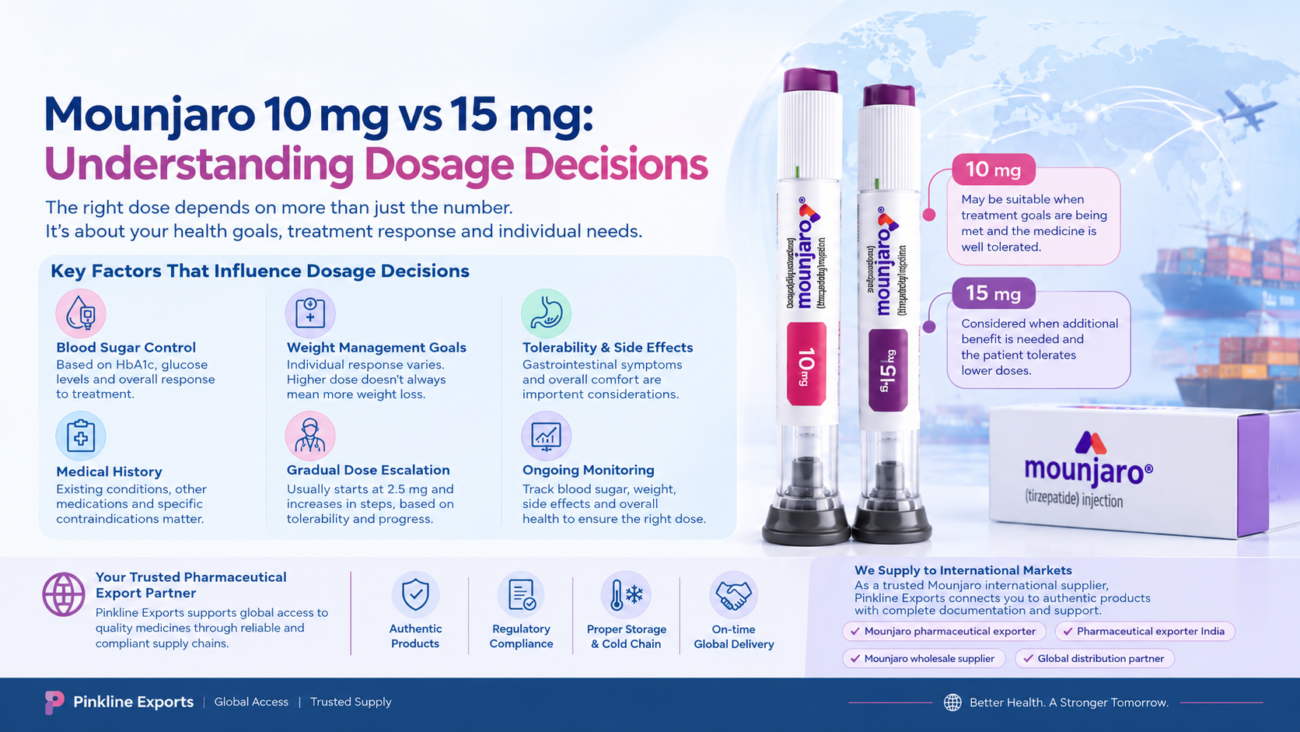
Mounjaro (tirzepatide) is a prescription medication used to improve blood sugar control in adults with type 2 diabetes. Depending on the country and approved product indication, tirzepatide may also be prescribed for weight management. It is available in multiple dosage strengths, including 10 mg and 15 mg, allowing healthcare professionals to tailor treatment according to an individual’s response, tolerability, and medical requirements.
Understanding the differences between Mounjaro 10 mg and 15 mg involves more than comparing the numbers on the packaging. Factors such as treatment response, side effects, medical history, and ongoing monitoring all contribute to dosage decisions. Alongside these clinical considerations, international pharmaceutical distributors must understand the importance of product quality, regulatory compliance, and reliable supply chains.
For businesses sourcing prescription medicines across international markets, working with a reliable Mounjaro international supplier can help support responsible procurement and distribution.
Understanding Mounjaro 10 mg and 15 mg
Mounjaro contains tirzepatide, a medicine that acts on glucose-dependent insulinotropic polypeptide (GIP) and glucagon-like peptide-1 (GLP-1) receptors. These actions help regulate blood glucose and influence appetite and food intake.
The 10 mg and 15 mg strengths represent different amounts of tirzepatide administered in a prescribed weekly dose.
Mounjaro 10 mg
This strength may be prescribed when a patient needs continued treatment and has an appropriate response to the medication. It may provide a suitable balance between treatment benefits and tolerability for some individuals.
Mounjaro 15 mg
This is the highest approved weekly dose in the standard Mounjaro dosage range in markets following the US prescribing information. A healthcare professional may consider it when additional treatment benefits are needed and the patient tolerates lower doses adequately.
A higher dose is not automatically the right choice for everyone. The appropriate strength depends on clinical assessment, the approved product information in the relevant country, and the individual’s treatment goals.
1. Blood Sugar Control and Treatment Response
One of the main factors influencing dosage decisions is how effectively treatment helps manage blood glucose levels.
Healthcare professionals may review HbA1c results, fasting blood glucose, other available glucose readings, and changes in the patient’s overall health. If treatment is well tolerated but blood glucose remains above the individual’s target, a prescriber may consider whether a dosage adjustment is appropriate.
For some patients, Mounjaro 10 mg may provide sufficient glucose control. Others may require further evaluation to determine whether a higher dose could offer additional benefit.
Dosage decisions should always consider the complete treatment plan, including nutrition, physical activity, other medicines, and any conditions that affect glucose management.
2. Weight Management Goals and Individual Response
Tirzepatide can influence appetite, food intake, and body weight. However, individual responses vary, and weight management should not be assessed using dosage alone.
A healthcare professional may consider changes in body weight, eating patterns, treatment adherence, and other health indicators when reviewing progress. Some patients may achieve meaningful improvements with 10 mg, while others may be considered for 15 mg when further benefit is clinically appropriate.
It is important to remember that increasing the dose does not guarantee a particular amount of weight loss. Treatment response depends on several individual factors, and weight management may also require dietary changes, physical activity, and ongoing medical support.
Patients should not increase their dose independently because weight loss appears slower than expected.
3. Tolerability and Potential Side Effects
Tolerability is another important consideration when comparing Mounjaro 10 mg and 15 mg.
Common adverse effects associated with tirzepatide include nausea, diarrhoea, vomiting, constipation, abdominal discomfort, and reduced appetite. These effects may occur during treatment initiation or dose escalation and can affect how comfortably a patient continues therapy.
Before increasing the dose, a prescriber may review the frequency and severity of existing symptoms, hydration, food intake, and any effect on daily activities.
If a patient experiences significant or persistent gastrointestinal symptoms, increasing the dose may not be appropriate until the situation has been assessed. Severe or persistent abdominal pain, particularly when accompanied by vomiting, requires prompt medical evaluation.
A higher dose should never be selected simply because it is available. The decision should reflect the expected clinical benefit and the patient’s ability to tolerate treatment.
4. The Importance of Gradual Dose Escalation
Mounjaro dosing follows a gradual escalation schedule designed to help patients adjust to treatment.
US Prescribing Information Escalation Schedule:
- Treatment generally starts at 2.5 mg once weekly for four weeks
- The dose is then increased to 5 mg once weekly
- If additional glycaemic control is needed, increases of 2.5 mg may be considered after at least four weeks on the current dose, subject to tolerability and prescribing guidance
The 2.5 mg starting dose is intended for treatment initiation rather than long-term glycaemic control. Patients should follow the dosage schedule prescribed by their healthcare professional.
The transition from 10 mg to 15 mg is not automatic. A patient must generally progress through the appropriate intermediate dose, including 12.5 mg, when following this escalation schedule. The prescriber determines whether further escalation is suitable.
Patients should not skip strengths, shorten escalation intervals, or use multiple injections to create a different dose unless explicitly directed under the applicable prescribing instructions.
5. Medical History and Other Medications
An individual’s medical history can influence the safety and suitability of a dosage adjustment.
Healthcare professionals may review existing gastrointestinal conditions, previous pancreatitis, gallbladder problems, kidney function where clinically relevant, diabetic eye disease, and other medical considerations. Tirzepatide also requires particular attention when used alongside certain diabetes medicines.
For example, combining Mounjaro with insulin or sulfonylureas can increase the risk of hypoglycaemia. A healthcare professional may need to review the doses of these medicines and provide instructions for monitoring blood glucose.
Key Safety Information:
- The US prescribing information includes a boxed warning concerning thyroid C-cell tumours observed in rodents
- Use is contraindicated in people with a personal or family history of medullary thyroid carcinoma or multiple endocrine neoplasia syndrome type 2
- Local prescribing information should always be checked because approved indications and product instructions can differ between countries
These considerations demonstrate why dosage selection requires professional assessment rather than a general recommendation based on the strength alone.
6. Monitoring Progress After a Dose Change
Monitoring helps healthcare professionals determine whether the selected dose continues to meet treatment needs. Depending on the patient’s circumstances, follow-up may include:
- HbA1c and blood glucose measurements
- Changes in body weight and appetite
- Gastrointestinal symptoms and hydration
- Signs of hypoglycaemia, particularly when other glucose-lowering medicines are used
- Adherence to the prescribed injection schedule
- Changes in other medical conditions or medications
A patient receiving 10 mg may not need an increase if treatment goals are being achieved and the medicine is well tolerated. Similarly, a patient taking 15 mg may require reassessment if side effects become difficult to manage.
The aim is to identify an appropriate, sustainable treatment approach rather than automatically choosing the highest available strength.
7. Why 15 mg Is Not Always Better Than 10 mg
It may be tempting to assume that the higher strength will always deliver better outcomes. However, medication dosing is based on individual needs rather than strength alone.
A higher dose may offer additional benefit for some patients, but it may also increase the likelihood of gastrointestinal adverse effects. The balance between effectiveness and tolerability differs from one individual to another.
For example, a patient whose blood glucose is adequately controlled on 10 mg and who tolerates treatment well may have no clinical reason to increase the dose. Another patient who needs additional glycaemic control may be assessed for escalation if the current dose is well tolerated.
Only a qualified healthcare professional can determine whether a change is appropriate. Patients should not adjust, stop, or restart treatment without medical advice.
8. The Role of International Pharmaceutical Supply Chains
In addition to clinical considerations, the availability and distribution of prescription medicines depend on a well-managed pharmaceutical supply chain. Importers, distributors, pharmacies, and other authorised businesses must consider applicable regulations, product traceability, storage requirements, and documentation.
A reliable Mounjaro pharmaceutical exporter should understand the regulatory requirements of the origin and destination markets, including any restrictions on exporting or importing branded medicines.
Businesses seeking a Mounjaro wholesale supplier should verify that the supplier is authorised to distribute the specific product, that the product is sourced through legitimate channels, and that the relevant batch and storage documentation is available.
Because tirzepatide is supplied in temperature-sensitive injectable presentations, handling and transport must follow the manufacturer’s approved storage instructions. Temperature excursions may affect product quality, so suitable cold-chain arrangements and documented monitoring are important wherever required.
Pinkline Exports, a best pharmaceutical exporter India serving international customers, should also consider applicable Indian export requirements, destination-country authorisations, product registration status, and any brand-specific restrictions. Export eligibility must be verified before a transaction proceeds.
These checks help support product integrity and responsible pharmaceutical distribution across international markets.
9. How Pinkline Exports Approaches International Pharmaceutical Supply
Pinkline Exports operates in the pharmaceutical export sector, where responsible sourcing, regulatory awareness, and supply-chain coordination are important considerations for international trade.
Businesses exploring pharmaceutical sourcing can evaluate suppliers based on their authorisation status, documentation practices, communication, product traceability, and ability to meet the regulatory requirements of the destination market.
For organisations researching a Mounjaro international supplier, these checks are particularly important because prescription injectable medicines require careful handling and compliance with applicable rules.
Product availability, export eligibility, and commercial terms should be confirmed directly before an order is placed. Buyers should also establish whether the product is authorised for sale in the intended market and whether any restrictions apply to the brand, shipment, or distribution channel.
Pinkline Exports encourages responsible pharmaceutical procurement supported by appropriate verification and regulatory due diligence.
Frequently Asked Questions
1. What is the main difference between Mounjaro 10 mg and 15 mg?
The difference is the amount of tirzepatide in each weekly dose. The appropriate strength depends on treatment response, tolerability, and clinical requirements rather than dosage alone.
2. Can patients move directly from Mounjaro 10 mg to 15 mg?
Dose increases should follow the prescribed escalation schedule. Under the US prescribing information, increases are made in 2.5 mg steps after at least four weeks on the current dose when appropriate. A healthcare professional must determine the next dose.
3. Does Mounjaro 15 mg guarantee greater weight loss?
No. A higher dose does not guarantee a specific weight-loss outcome. Individual responses vary, and treatment decisions should consider clinical benefits, tolerability, and overall health.
4. What should patients consider before increasing their dose?
Patients should discuss blood glucose results, treatment progress, side effects, other medications, and relevant medical history with their healthcare professional before any dose adjustment.
5. What should buyers verify when choosing a Mounjaro international supplier?
Buyers should verify supplier authorisation, product authenticity, traceability, storage and transport arrangements, and compliance with the regulations of both the exporting and importing markets.
6. Can a pharmaceutical exporter India supply Mounjaro to every international market?
No. Export and import eligibility depends on applicable laws, product authorisations, brand-specific restrictions, and the requirements of the destination country. Buyers should confirm these details before proceeding.
Conclusion
Choosing between Mounjaro 10 mg and 15 mg requires a careful assessment of treatment response, blood glucose control, weight-management progress, tolerability, medical history, and follow-up findings. The highest available strength is not necessarily the most suitable option for every patient.
Patients should follow their prescribed dosing schedule and consult their healthcare professional before making changes. At the same time, international pharmaceutical buyers should prioritise authorised sourcing, product traceability, appropriate storage, and regulatory compliance.
For businesses exploring international pharmaceutical procurement, Pinkline Exports recognises the importance of responsible supply-chain practices and market-specific due diligence when evaluating pharmaceutical sourcing opportunities.
Medical Disclaimer: This article is for general educational and business information only. It is not medical advice and does not replace the approved product information or guidance from a qualified healthcare professional. Mounjaro is a prescription medicine, and its indications, availability, and prescribing instructions vary by market.