


- DERMA FILLER
- ASTHMA
- HIV
- VIAGRA
- Antibiotics
- Covid – 19
- Cardiovascular
- ALL CATEGORIES
Cancer Care
Infection Care
Lifestyle Conditions
Mens Health & Sexual Wellness
Women's Healthcare
Mental Health
Skin Care
Hair Care
Remdesivir Injection 100 Mg is a prescription antiviral medication used for the treatment of certain patients with COVID-19 (coronavirus disease 2019). It belongs to the antiviral class of medicines that work by inhibiting viral replication. Remdesivir was one of the first antiviral therapies to receive regulatory authorization for COVID-19 and is recommended in selected hospitalized and non-hospitalized patients who are at risk of developing severe disease, depending on current clinical guidelines.
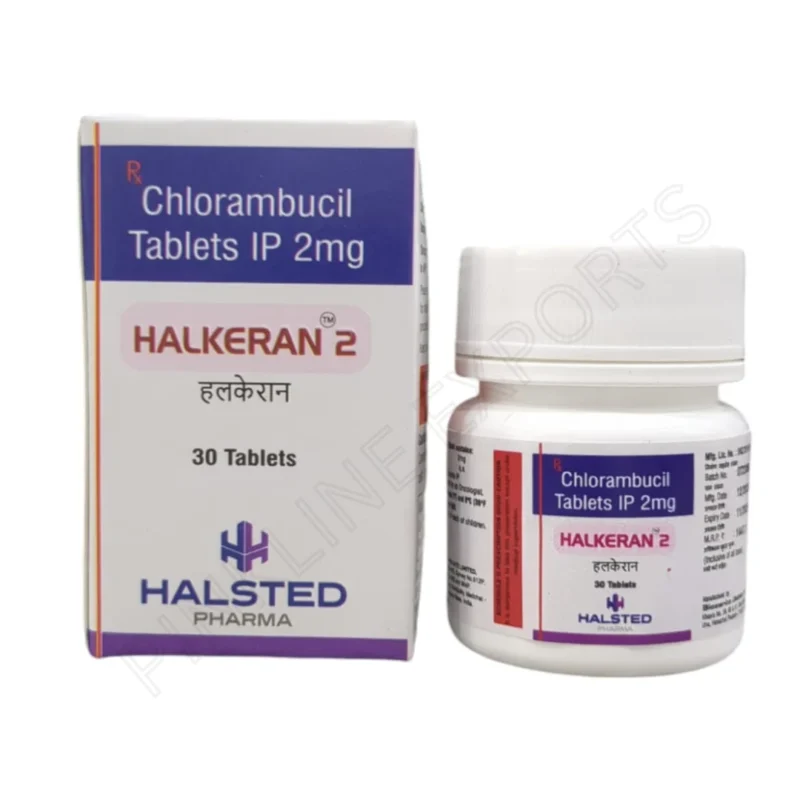
Learn more about Halkeran 2 Mg – Chlorambucil, including its approved indications for hematological cancers, dosage guidance, safety profile, and monitoring recommendations.
Treatment with Remdesivir Injection 100 Mg should be initiated and monitored by qualified healthcare professionals in an appropriate medical setting. The medication is not intended for self-administration and should be used according to approved prescribing information and current infectious disease guidelines.
Remdesivir Injection 100 Mg is a nucleotide analog antiviral that interferes with the SARS-CoV-2 RNA-dependent RNA polymerase, preventing the virus from efficiently replicating inside human cells.
By slowing viral multiplication during the early phase of infection, Remdesivir may help reduce disease progression in selected patients when administered within the recommended treatment window.
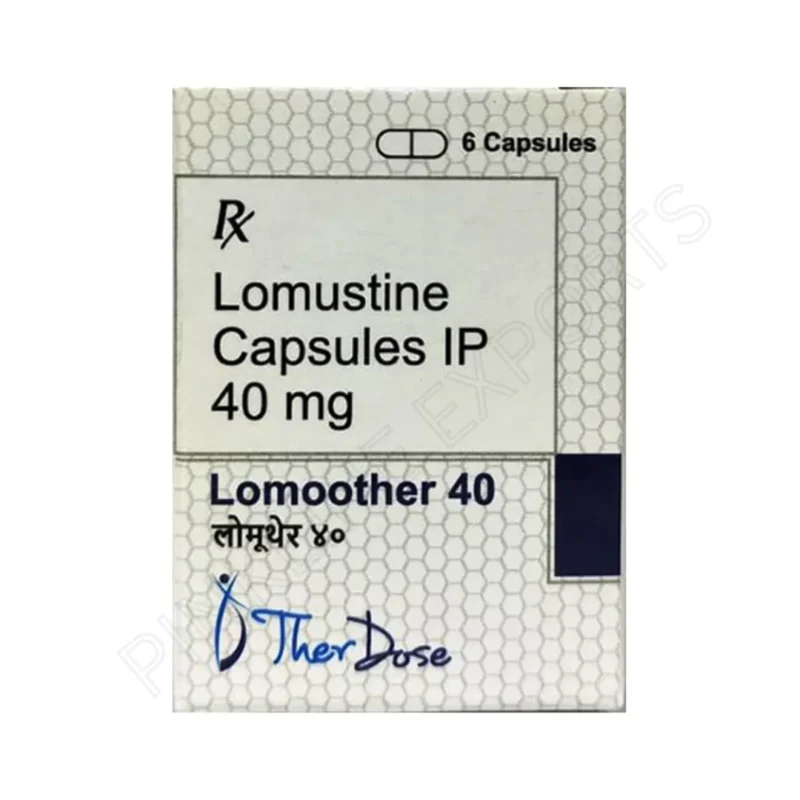
Explore Lomoother 40 Mg – Lomustine Capsules for detailed information on brain tumor treatment, chemotherapy administration, adverse effects, and clinical precautions.
Remdesivir Injection 100 Mg is approved or authorized in many countries for treating eligible patients with mild-to-moderate or severe COVID-19, depending on age, body weight, underlying medical conditions, and clinical status.
Healthcare providers may recommend Remdesivir for patients who are at increased risk of progressing to severe COVID-19, particularly when treatment is started early after symptom onset.
Remdesivir Injection 100 Mg is administered by intravenous (IV) infusion under medical supervision. The dosing schedule and treatment duration depend on the patient’s age, weight, kidney function, and severity of illness.
Patients receiving Remdesivir should undergo regular monitoring, including assessment of liver function, kidney function, and overall clinical response throughout treatment.
Clinical studies have demonstrated that Remdesivir Injection 100 Mg may shorten recovery time in selected hospitalized patients with COVID-19 and may reduce the risk of hospitalization or disease progression in eligible high-risk outpatients when initiated early. Clinical benefit varies depending on disease severity, timing of treatment, and individual patient characteristics.
Patients may experience:
Remdesivir may increase liver enzyme levels. Liver function testing is recommended before and during treatment.
Some patients may develop infusion-related reactions such as low blood pressure, sweating, nausea, or shortness of breath during administration.
Healthcare providers evaluate kidney function before initiating therapy and monitor patients throughout treatment when appropriate.
Safety information is available from the U.S. Food and Drug Administration (FDA) and the World Health Organization (WHO).
Remdesivir Injection 100 Mg should be used cautiously in individuals with:
Treatment decisions should always be individualized by healthcare professionals.
Remdesivir may interact with:
Patients should inform their healthcare provider about all prescription medicines, supplements, and herbal products before starting treatment.




Reviews
There are no reviews yet.