Semaglutide
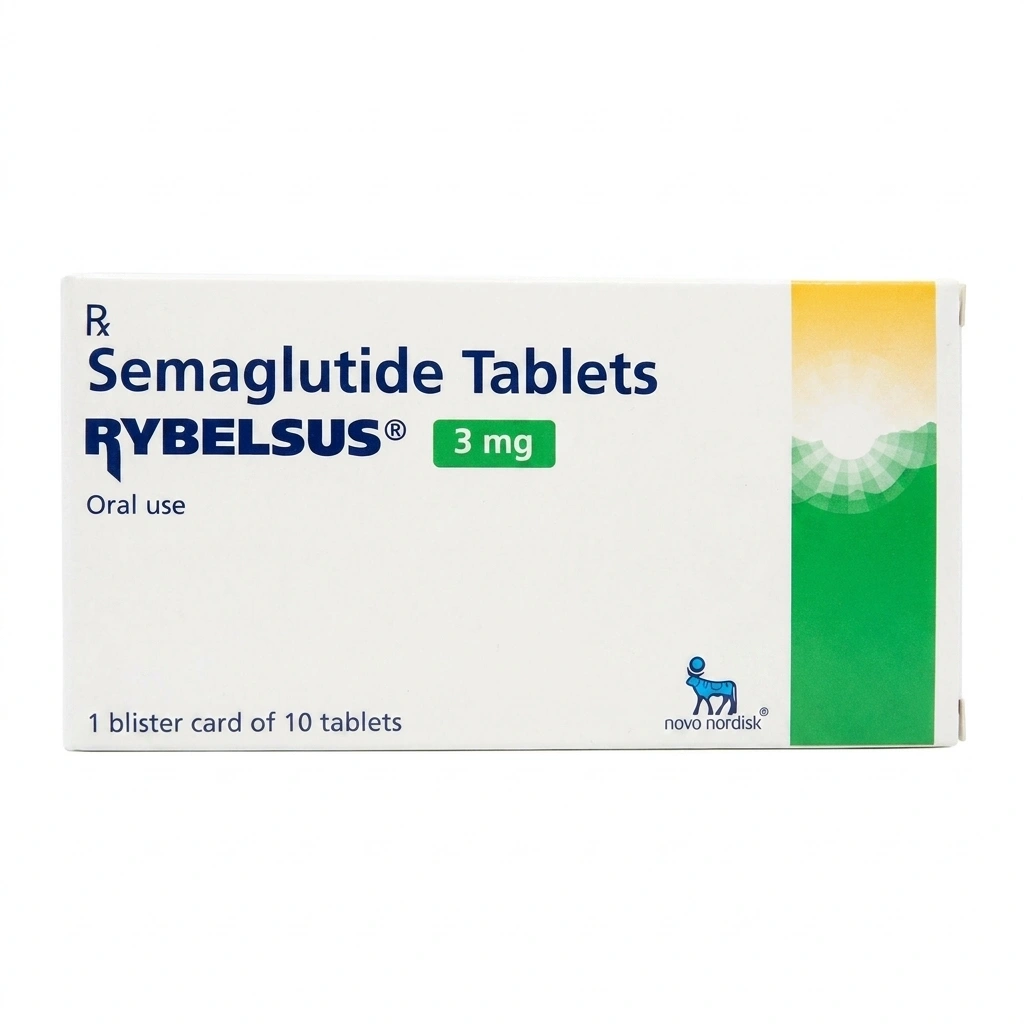
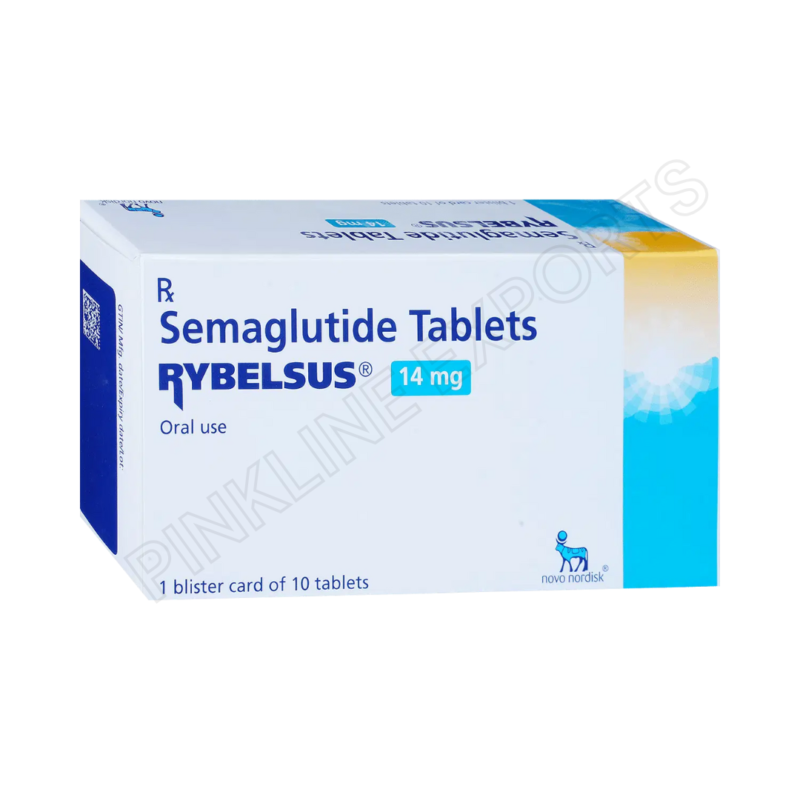
Semaglutide is an antidiabetic medication commonly prescribed for the treatment and management of type 2 diabetes mellitus. Semaglutide belongs to the glucagon-like peptide-1 (GLP-1) receptor agonist class of medicines and helps improve blood sugar control by increasing insulin secretion, reducing glucagon release, and slowing gastric emptying. The medication may also support weight management in certain patients under medical supervision.
Semaglutide is generally prescribed alongside healthy lifestyle modifications such as balanced diet, regular exercise, weight management, and routine blood glucose monitoring. Proper diabetes management is important for reducing the risk of long-term complications affecting the kidneys, nerves, eyes, and cardiovascular system.
Patients evaluating related diabetes therapies may also explore Saxagliptin as a physician-supervised treatment option for additional blood sugar management support.
Healthcare professionals frequently consult American Diabetes Association – Diabetes Care Standards and NHS – Type 2 Diabetes Overview for evidence-based diabetes care recommendations and updated medication safety guidance.
Mechanism of Action
GLP-1 Receptor Activation
Semaglutide works by activating GLP-1 receptors, helping increase insulin secretion when blood sugar levels are elevated.
Reduced Appetite and Glucose Production
The medication slows stomach emptying, reduces appetite, and decreases excess glucose production by the liver, supporting improved blood sugar control.
Patients comparing diabetes treatment strategies may also evaluate Saxagliptin for additional physician-guided glucose management options.
Approved Medical Uses
Type 2 Diabetes Mellitus
Semaglutide is primarily prescribed for adults with type 2 diabetes mellitus requiring improved blood sugar control.
Weight Management Support
The medication may also support weight reduction in eligible patients under physician supervision.
Dosage and Administration
Standard Dosage
The dosage should always be determined by a healthcare provider according to blood glucose levels, treatment response, gastrointestinal tolerability, and overall health condition. Semaglutide may be administered as directed by a physician depending on the prescribed formulation.
Importance of Lifestyle Management
Healthy eating habits, regular exercise, hydration, and routine glucose monitoring remain essential throughout therapy.
Missed Dose Instructions
If a dose is missed, patients should follow physician instructions and product-specific guidance carefully.
Clinical Effectiveness
Clinical studies have demonstrated that Semaglutide effectively lowers HbA1c levels and supports improved glycemic control in patients with type 2 diabetes mellitus. The medication is also recognized for supporting weight reduction and cardiovascular risk management in certain patients.
Healthcare providers may recommend therapies such as Saxagliptin alongside individualized diabetes management plans depending on patient-specific treatment goals.
Safety and Side Effects
Common Side Effects
Some commonly reported side effects include:
- Nausea
- Vomiting
- Diarrhea
- Constipation
- Abdominal discomfort
- Reduced appetite
Most gastrointestinal side effects improve gradually with continued treatment.
Serious Risks
Pancreatitis Risk
Rare cases of pancreatitis have been reported and require immediate medical attention.
Thyroid Tumor Warning
Semaglutide carries precautions related to thyroid C-cell tumor risk observed in animal studies.
Healthcare professionals frequently reference American Diabetes Association – Diabetes Care Standards and NHS – Type 2 Diabetes Overview for updated diabetes medication guidance and patient safety information.
Contraindications and Precautions
Semaglutide should be used cautiously in patients with:
- Pancreatitis history
- Severe gastrointestinal disorders
- Thyroid cancer history
- Kidney disease
- Type 1 diabetes mellitus
- Pregnancy or breastfeeding unless medically advised
Routine blood glucose monitoring remains essential throughout treatment.
Drug Interactions
Semaglutide may interact with:
- Insulin
- Sulfonylurea medications
- Oral antidiabetic therapies
- Medications affected by delayed stomach emptying
Healthcare providers should review all ongoing medications before initiating therapy to minimize interaction risks and improve treatment safety.
FAQs

.svg)












Reviews
There are no reviews yet.