Glimepiride-Metformin
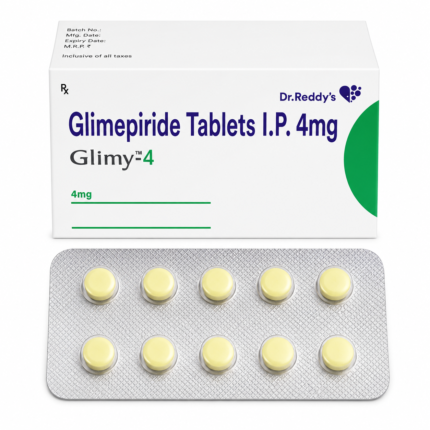
Glimepiride-Metformin is a combination oral antidiabetic medication commonly prescribed for the treatment and management of type 2 diabetes mellitus. It combines Glimepiride, a sulfonylurea that stimulates insulin release from the pancreas, with Metformin, a biguanide that reduces glucose production in the liver and improves insulin sensitivity. Together, these medications help provide effective blood sugar control in patients requiring combination diabetes therapy.
Glimepiride-Metformin is generally recommended when lifestyle modifications such as healthy diet, regular exercise, and weight management alone are insufficient to maintain stable glucose levels. Proper diabetes management is important for reducing the risk of complications affecting the kidneys, nerves, eyes, and cardiovascular system.
Patients evaluating related diabetes management therapies may also explore Gliclazide 60mg XR as an extended-release glucose control option for sustained blood sugar management.
Healthcare professionals frequently consult Mayo Clinic – Type 2 Diabetes Treatment and NHS – Type 2 Diabetes Overview for evidence-based diabetes care recommendations and updated medication safety guidance.
Mechanism of Action
Dual Glucose-Lowering Action
Glimepiride-Metformin combines two complementary mechanisms to improve blood sugar regulation in patients with type 2 diabetes mellitus.
Insulin Secretion Enhancement
Glimepiride stimulates pancreatic beta cells to release insulin, helping glucose move from the bloodstream into body tissues for energy utilization.
Improved Insulin Sensitivity
Metformin reduces glucose production in the liver and improves insulin sensitivity, allowing the body to use insulin more effectively.
Patients comparing diabetes management strategies may also evaluate Gliclazide 60mg XR for additional physician-supervised glucose control options.
Approved Medical Uses
Type 2 Diabetes Mellitus
Glimepiride-Metformin is primarily prescribed for adults with type 2 diabetes mellitus requiring improved glycemic control through combination therapy.
Support for Combination Therapy
The medication is commonly used when single-drug therapy does not provide adequate blood sugar management.
Dosage and Administration
Standard Dosage
The dosage should always be determined by a healthcare provider according to blood glucose levels, treatment response, kidney function, and overall health condition. Tablets are usually taken with meals to reduce gastrointestinal discomfort and minimize hypoglycemia risk.
Importance of Lifestyle Management
Healthy eating habits, regular exercise, proper hydration, and routine blood sugar monitoring remain essential during therapy.
Missed Dose Instructions
If a dose is missed, it should be taken when remembered unless it is close to the next scheduled dose. Double dosing should be avoided.
Clinical Effectiveness
Clinical studies have demonstrated that Glimepiride-Metformin effectively lowers blood glucose and HbA1c levels in patients with type 2 diabetes mellitus. Combination therapy may provide better glycemic control than single-agent treatment in selected individuals.
Healthcare providers may recommend therapies such as Gliclazide 60mg XR alongside individualized diabetes management strategies depending on patient-specific treatment goals.
Safety and Side Effects
Common Side Effects
Some commonly reported side effects include:
- Low blood sugar (hypoglycemia)
- Nausea
- Diarrhea
- Stomach discomfort
- Dizziness
- Mild weight changes
Most side effects are manageable with proper medical supervision.
Serious Risks
Hypoglycemia
The Glimepiride component may increase the risk of low blood sugar, especially if meals are skipped or physical activity increases significantly.
Lactic Acidosis
Though rare, Metformin may increase the risk of lactic acidosis in patients with severe kidney impairment or certain medical conditions.
Healthcare professionals frequently reference Mayo Clinic – Type 2 Diabetes Treatment and NHS – Type 2 Diabetes Overview for updated medication safety and diabetes management guidance.
Contraindications and Precautions
Glimepiride-Metformin should be used cautiously in patients with:
- Severe kidney disease
- Liver impairment
- History of severe hypoglycemia
- Severe dehydration
- Type 1 diabetes mellitus
- Pregnancy or breastfeeding unless medically advised
Routine glucose and kidney function monitoring remain important throughout therapy.
Drug Interactions
Glimepiride-Metformin may interact with:
- Insulin
- Other diabetes medications
- Alcohol
- Certain antibiotics
- Blood pressure medications
FAQs















Reviews
There are no reviews yet.