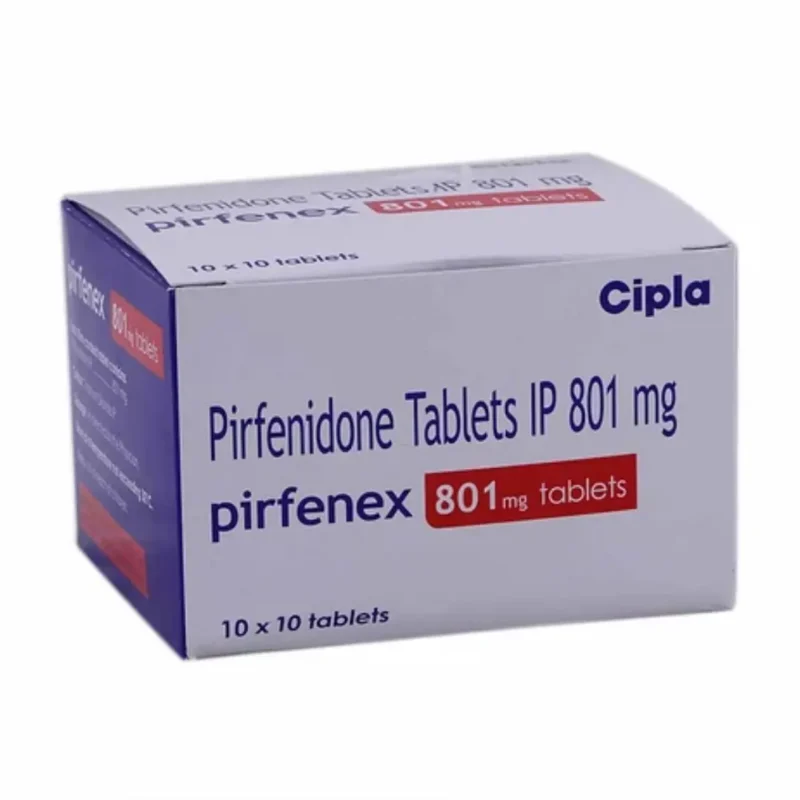

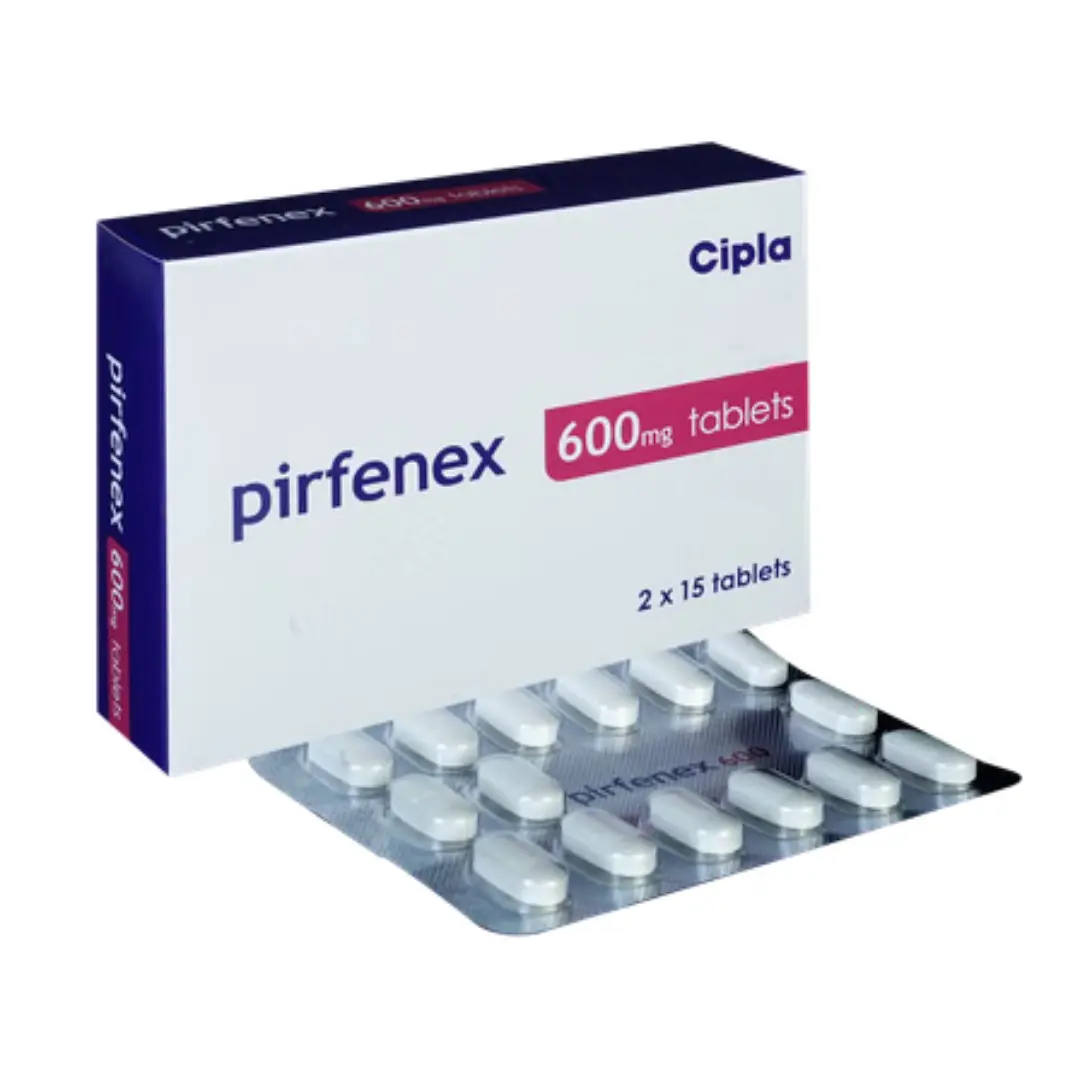
Pirfenex 600 Mg Pirfenidone – Esbriet
Pirfenex 600 Mg Pirfenidone is an antifibrotic medicine used to treat idiopathic pulmonary fibrosis by reducing lung scarring and slowing disease progression. It helps maintain lung function, improve breathing, and enhance quality of life. This higher strength is used for full therapeutic dosing under proper medical supervision and long-term treatment.
Description
Pirfenex 600 Mg Pirfenidone – Esbriet
Pirfenex 600 Mg Pirfenidone – Esbriet is an antifibrotic medication used for the treatment of idiopathic pulmonary fibrosis (IPF). This higher strength is typically used as a full therapeutic dose to slow lung scarring, preserve lung function, and improve quality of life in long-term disease management.
Pirfenex 600 Mg Pirfenidone – Esbriet
Pirfenex 600 Mg Pirfenidone – Esbriet is an antifibrotic medication used for the treatment of idiopathic pulmonary fibrosis (IPF), a chronic and progressive lung disease characterized by scarring of lung tissue. This higher strength is typically used as a full therapeutic dose to slow disease progression, preserve lung function, and improve quality of life. It is prescribed after gradual dose escalation from lower strengths to ensure better tolerance and effectiveness in long-term management.
Mechanism of Action
Antifibrotic Effect
Pirfenidone reduces the formation of fibrotic (scar) tissue in the lungs.
Anti-Inflammatory Action
It decreases inflammation that contributes to lung damage and disease progression.
Medical Uses
Pirfenex 600 Mg is used for:
- Idiopathic pulmonary fibrosis (IPF)
- Slowing lung function decline
- Long-term disease management
Dosage and Administration
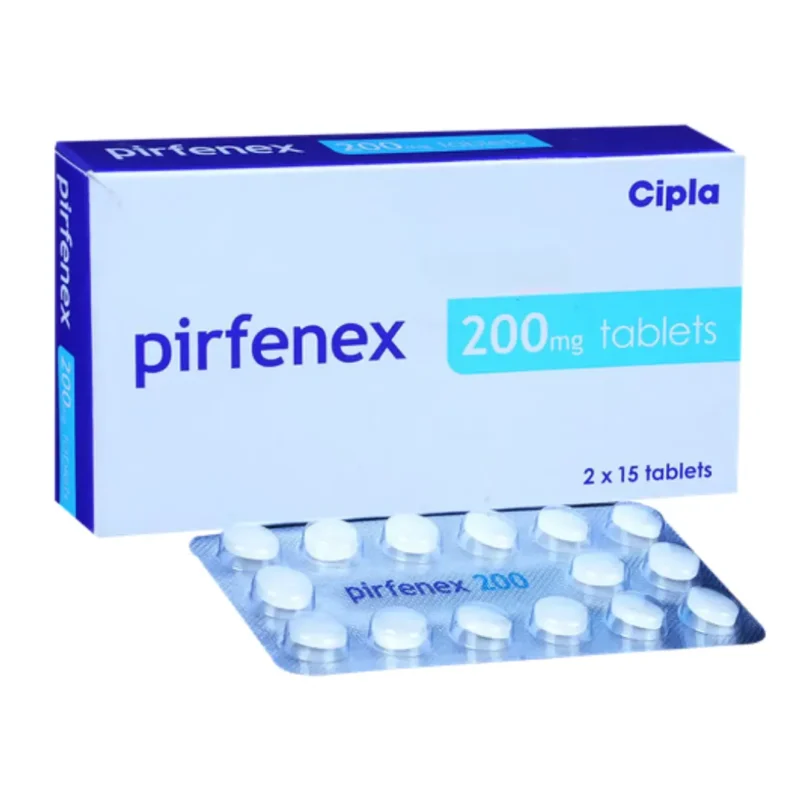
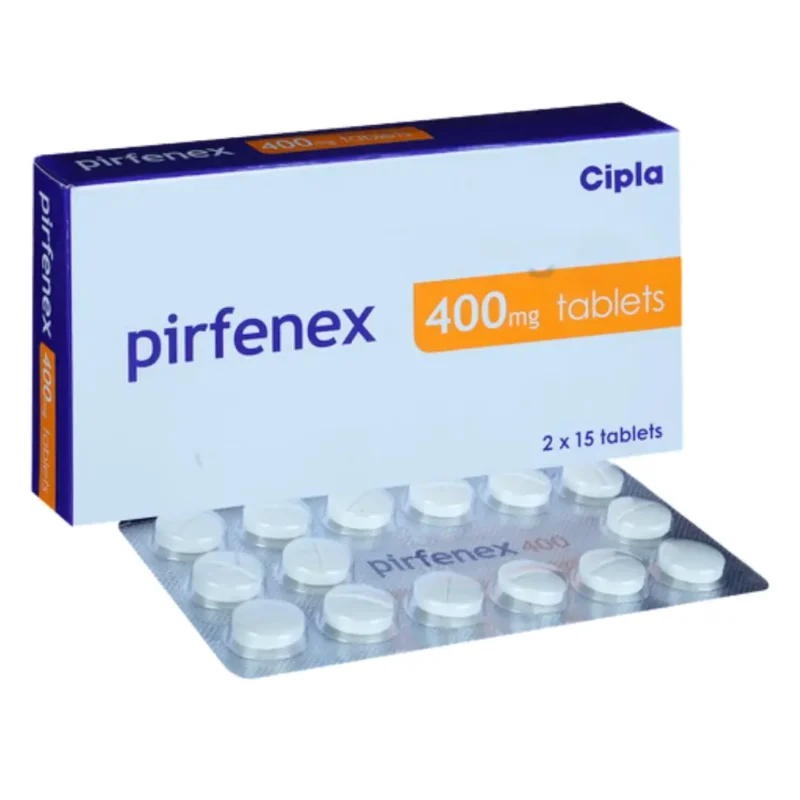
It is taken orally in divided doses with food, as prescribed by a healthcare provider. This 600 Mg strength is usually reached after gradual titration from lower doses such as 200 Mg and 400 Mg to improve tolerance and reduce side effects. Regular follow-up is required during treatment.
Clinical Effectiveness
Clinical studies have shown that pirfenidone significantly slows the progression of IPF, preserves lung function, and reduces the risk of disease worsening when taken consistently under medical supervision.
Safety and Side Effects
Common Side Effects
- Nausea
- Fatigue
- Rash
- Loss of appetite
Serious Risks
- Liver enzyme elevation
- Photosensitivity reactions
- Severe skin reactions
Routine liver function monitoring is recommended during therapy.
Contraindications and Precautions
Pirfenidone should be used with caution in:
- Patients with liver disease
- Individuals sensitive to sunlight
- Patients on interacting medications
Avoid excessive sun exposure and follow medical advice strictly.
Drug Interactions
Pirfenidone may interact with certain antibiotics, antifungals, and smoking habits, which may reduce its effectiveness. Patients should inform their healthcare provider about all medications and lifestyle habits.
Pirfenex 600 Mg is used to treat idiopathic pulmonary fibrosis by slowing lung scarring and disease progression. It helps maintain lung function and improve breathing. This higher dose is typically used for full therapeutic treatment after gradual dose escalation for better long-term disease management and improved patient outcomes.
Pirfenex works by reducing fibrosis and inflammation in lung tissue. It slows the formation of scar tissue and prevents further lung damage. This helps preserve lung capacity and improves symptoms when taken consistently under medical supervision in patients with idiopathic pulmonary fibrosis.
It should be taken orally with food in divided doses as prescribed. Patients should follow the exact dosing schedule and not miss doses. This strength is usually achieved after gradual dose increase to ensure better tolerance and effective disease control in long-term treatment.
It is generally safe when used as directed but requires regular monitoring. Liver function tests are essential during treatment. Medical supervision helps manage side effects and ensures safe and effective use for controlling pulmonary fibrosis over long-term therapy.
Common side effects include nausea, fatigue, rash, loss of appetite, and sensitivity to sunlight. These are usually mild and manageable. Serious side effects such as liver problems or severe skin reactions are rare but require immediate medical attention if symptoms worsen or persist.

Reviews
There are no reviews yet.