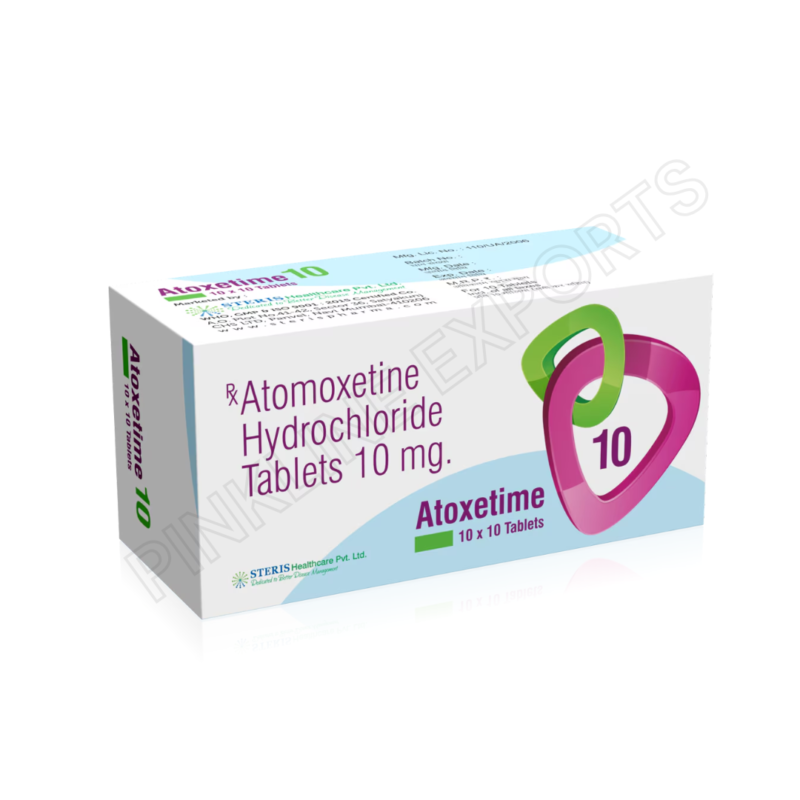

Quetiapine Tablets 200 Mg
Quetiapine Tablets 200 Mg - Seroquel Price range: $30.50 through $75.00
Back to products
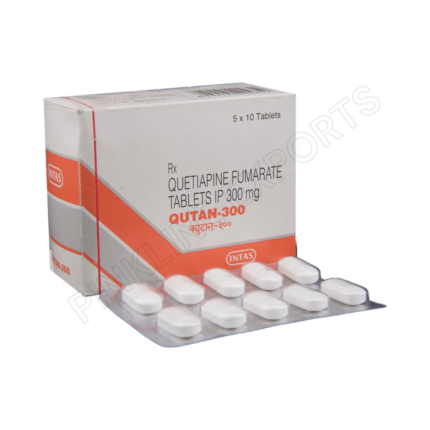
Quetiapine Tablets 300 Mg
Quetiapine Tablets 300 Mg - Seroquel Price range: $32.00 through $78.00

Quetiapine Tablets 100 Mg – Seroquel

Price range: $28.00 through $72.00

Quetiapine Tablets 100 Mg are a higher-dose antipsychotic medication used for the treatment of schizophrenia, bipolar disorder, and as an adjunct in major depressive disorder. This dosage is suitable for patients who require a stronger therapeutic effect or are titrating up from lower doses. Quetiapine Tablets 100 Mg, available under trusted brands such as Seroquel and Seroquel XR, help manage mood, reduce psychosis, and support overall mental health.

Description

Quetiapine Tablets 100 Mg – Seroquel

Quetiapine Tablets 100 Mg contain quetiapine, an atypical antipsychotic medicine
used under medical supervision for certain psychiatric conditions, including
schizophrenia and bipolar disorder. The appropriate strength and dosing schedule
depend on the individual’s diagnosis, response to treatment, age, and other
clinical factors.


Quetiapine 100 Mg

Atypical Antipsychotic


Oral Tablet

Active Ingredient

Quetiapine

Strength

100 Mg

Drug Class

Atypical Antipsychotic

Administration

Oral

What Are Quetiapine Tablets 100 Mg?

Quetiapine Tablets 100 Mg contain quetiapine, an atypical
antipsychotic medicine. Seroquel is a branded formulation of quetiapine fumarate.
Quetiapine is used in the treatment of certain psychiatric disorders and works
through effects on several neurotransmitter systems in the brain.

The 100 mg strength is one of several available quetiapine tablet strengths.
FDA prescribing information for Seroquel lists tablets in strengths including
25 mg, 50 mg, 100 mg, 200 mg, 300 mg, and 400 mg. ([accessdata.fda.gov](https://www.accessdata.fda.gov/drugsatfda_docs/label/2016/020639s064lbl.pdf?utm_source=chatgpt.com))

Quetiapine should be taken only according to the treatment plan prescribed by
a qualified healthcare professional. The dose is individualized according to
the condition being treated and the patient’s response and tolerability.

How Does Quetiapine Work?

Quetiapine affects several neurotransmitter receptors in the central nervous
system, including serotonin and dopamine receptors. Its activity at these
receptors contributes to its antipsychotic and mood-stabilizing effects.

Because quetiapine affects the central nervous system, it can also cause
drowsiness, dizziness, and changes in alertness in some patients. These effects
are particularly important when treatment is first started or the dose is changed.

What Is Quetiapine 100 Mg Used For?

Quetiapine is an atypical antipsychotic indicated for the treatment of
schizophrenia and certain forms of bipolar disorder.
FDA labeling for Seroquel includes treatment of schizophrenia, manic episodes
associated with bipolar I disorder, and depressive episodes associated with
bipolar disorder. ([accessdata.fda.gov](https://www.accessdata.fda.gov/drugsatfda_docs/label/2016/020639s064lbl.pdf?utm_source=chatgpt.com))

The medicine may be prescribed alone or, depending on the condition, as part
of a broader treatment plan. The specific dose and dosing frequency differ
according to the indication.

Important:

Quetiapine should not be started, stopped, or adjusted without medical
supervision. A 100 mg tablet is not an indication that every patient
should take 100 mg at one time.

Dosage and Administration

Quetiapine dosing is individualized. Depending on the indication, treatment
may begin at a lower dose and be gradually adjusted. FDA labeling for immediate-release
Seroquel describes different starting and target doses for schizophrenia,
bipolar mania, and bipolar depression. ([accessdata.fda.gov](https://www.accessdata.fda.gov/drugsatfda_docs/label/2016/020639s064lbl.pdf?utm_source=chatgpt.com))

Seroquel tablets can be taken with or without food. Patients should follow the
exact schedule provided by their prescriber rather than using the tablet strength
to determine the dose themselves.

If a dose is missed, do not automatically take an extra tablet. Follow the
instructions provided by your healthcare professional or pharmacist.

Related Quetiapine Product

Quetiapine is available in different strengths. If you are looking for a lower
strength formulation, explore:


Quetiapine Tablets 25 Mg – Seroquel

Related Antipsychotic Medicine

Olanzapine is another atypical antipsychotic medicine used for certain psychiatric
conditions. ZYPREXA ZYDIS is an orally disintegrating formulation of olanzapine.
It has different pharmacological and prescribing considerations from quetiapine.


Olanzapine Tablets 5 Mg – Zydis

Possible Side Effects of Quetiapine

Quetiapine can cause side effects, although not everyone experiences them.
Commonly reported reactions include sleepiness or somnolence,
dizziness, dry mouth, constipation, weakness, and weight gain
.
([accessdata.fda.gov](https://www.accessdata.fda.gov/drugsatfda_docs/label/2016/020639s064lbl.pdf?utm_source=chatgpt.com))

Quetiapine may also cause postural hypotension, meaning blood pressure can fall
when standing up. This may result in dizziness or an increased risk of falling,
particularly when treatment is initiated or the dose is increased.

Seek prompt medical attention for severe or unusual symptoms such as fainting,
severe confusion, abnormal muscle movements, high fever with muscle rigidity,
or other serious reactions.

Metabolic Monitoring During Treatment

Like other atypical antipsychotics, quetiapine can be associated with metabolic
changes. These may include changes in body weight, blood glucose, and lipid levels.
Long-term treatment may therefore require appropriate clinical monitoring.

Your healthcare professional may monitor weight, blood glucose or other metabolic
parameters depending on your treatment and individual risk factors.

Precautions and Important Safety Information

  • Take quetiapine only as prescribed by your healthcare professional.
  • Quetiapine can cause drowsiness or dizziness; use caution with activities requiring alertness.
  • Avoid alcohol unless your healthcare professional has specifically advised otherwise.
  • Tell your doctor about diabetes, cardiovascular disease, seizures, liver problems, or other significant medical conditions.
  • Inform your healthcare professional about all medicines and supplements you take.
  • Do not stop quetiapine suddenly without medical guidance.
  • Older adults with dementia-related psychosis have an increased risk of death when treated with antipsychotic medicines; Seroquel is not approved for this use. ([accessdata.fda.gov](https://www.accessdata.fda.gov/drugsatfda_docs/label/2016/020639s064lbl.pdf?utm_source=chatgpt.com))

Quetiapine vs Olanzapine

Quetiapine and olanzapine are both atypical antipsychotics, but they are different
medicines and are not interchangeable on a milligram-for-milligram basis.
Their approved uses, dosing schedules, pharmacological profiles, and adverse-effect
considerations differ.

Olanzapine is approved for schizophrenia and bipolar I disorder, including acute
manic or mixed episodes and maintenance treatment of bipolar I disorder. ZYPREXA
ZYDIS is an orally disintegrating formulation of olanzapine. ([accessdata.fda.gov](https://www.accessdata.fda.gov/drugsatfda_docs/label/2026/21253s067lbl.pdf?utm_source=chatgpt.com))

The choice between quetiapine and olanzapine should be based on the diagnosis,
treatment goals, previous response, side-effect profile, other medicines,
and individual medical factors.

Storage Instructions

Store Quetiapine Tablets according to the conditions stated on the original
product packaging. Keep the tablets in their original container and protect
them from excessive heat and moisture.

Keep all medicines out of reach of children and do not use tablets after the
expiry date printed on the packaging.

Trusted Medical Reference

For official prescribing information covering quetiapine indications, dosing,
warnings, contraindications, adverse reactions, and interactions, consult the
U.S. Food and Drug Administration prescribing information for Seroquel.


FDA – Seroquel (Quetiapine) Prescribing Information

Frequently Asked Questions About Quetiapine Tablets 100 Mg

1. What are Quetiapine 100 Mg Tablets used for?

Quetiapine is an atypical antipsychotic used for conditions including
schizophrenia and bipolar disorder. Depending on the formulation and
indication, it may be prescribed for manic episodes or depressive episodes
associated with bipolar disorder. The specific dose is determined by the
treating healthcare professional. ([accessdata.fda.gov](https://www.accessdata.fda.gov/drugsatfda_docs/label/2016/020639s064lbl.pdf?utm_source=chatgpt.com))

2. Is Quetiapine 100 Mg a high dose?

Whether 100 mg is considered a low, moderate, or high dose depends on the
condition being treated and the individual’s treatment plan. Quetiapine
has different recommended dosing ranges for schizophrenia, bipolar mania,
and bipolar depression. A 100 mg tablet should therefore not be interpreted
as a standard dose for every patient.

3. Does Quetiapine 100 Mg make you sleepy?

Sleepiness or somnolence is a commonly reported adverse effect of quetiapine.
The effect can be more noticeable when treatment is first started or when
the dose is increased. Patients should use caution with driving or operating
machinery until they understand how the medicine affects them.

4. Can Quetiapine 100 Mg be stopped suddenly?

Quetiapine should generally not be stopped suddenly without medical guidance.
Your healthcare professional can determine whether the dose should be reduced
gradually and can monitor for a return or worsening of the underlying condition
or other discontinuation-related symptoms.

5. Is Quetiapine the same as Olanzapine?

No. Quetiapine and olanzapine are different atypical antipsychotic medicines.
Although both can be used for conditions such as schizophrenia and bipolar
disorder, they have different dosing, pharmacological characteristics,
interactions, and adverse-effect profiles. They should not be substituted
for one another without medical advice.

Medical Disclaimer

This product description is provided for informational and educational purposes
only and does not replace professional medical advice, diagnosis, or treatment.
Quetiapine is a prescription antipsychotic medicine and should be taken only
under appropriate medical supervision. Do not change the dose, stop treatment,
or combine quetiapine with other psychiatric medicines without consulting a
qualified healthcare professional.

Reviews

  1. Miles Harrison

    Secure ordering system and responsive pharmacy service.

Add a review

Your email address will not be published. Required fields are marked *

RELATED PRODUCTS