

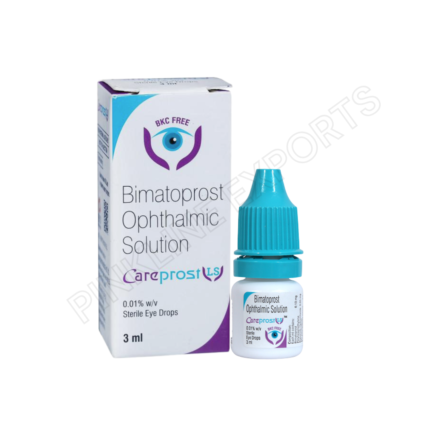
Careprost LS Drop
Careprost Eye Drops - LS Price range: $22.00 through $90.00
Back to products
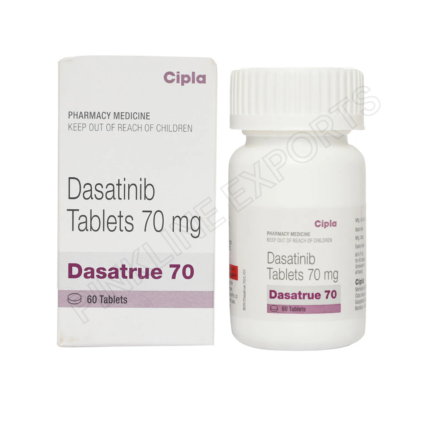
Dasatinib Tablets 70 Mg
Dasatinib Tablets 70 Mg - Generic Sprycel Price range: $155.00 through $465.00

Febuxostat Tablets 20 Mg

Price range: $48.00 through $132.00

Febuxostat Tablets 20 Mg is used to lower uric acid levels and manage gout, helping prevent flare-ups and long-term complications.

SKU: N/A Category:

Description

Febuxostat Tablets 20 Mg

Febuxostat Tablets 20 Mg is a xanthine oxidase inhibitor used for the long-term management of hyperuricemia in patients with gout. It helps reduce uric acid levels in the blood, thereby preventing the formation of urate crystals in joints and tissues. This medication is particularly beneficial for patients who cannot tolerate allopurinol or require alternative therapy. The 20 mg dose is often used for initial therapy or dose titration. In clinical treatment plans, standard dosing may include Febuxostat Tablets 40 Mg, while higher-strength options like Febuxostat Tablets 80 Mg are prescribed in patients requiring more effective uric acid control.


Mechanism of Action

Xanthine Oxidase Inhibition

Febuxostat Tablets 20 Mg works by selectively inhibiting xanthine oxidase, the enzyme responsible for converting purines into uric acid.

Uric Acid Reduction

By decreasing uric acid production, it helps prevent crystal deposition in joints, reducing inflammation and gout flare-ups. For clinical insights, refer to American College of Rheumatology (ACR) and for safety guidance, consult Mayo Clinic – Febuxostat Drug Information.


Medical Uses

Febuxostat Tablets 20 Mg is indicated for:

  • Chronic management of gout
  • Treatment of hyperuricemia
  • Prevention of recurrent gout attacks

It is not intended for treating acute gout attacks but for long-term control.


Dosage and Administration

Febuxostat Tablets 20 Mg is taken orally once daily, with or without food, as directed by a healthcare provider. Dose adjustments are based on serum uric acid levels and patient response. In routine practice, Febuxostat Tablets 40 Mg is often used as a maintenance dose, while Febuxostat Tablets 80 Mg may be prescribed for patients needing stronger uric acid reduction.


Clinical Effectiveness

Clinical evidence shows that febuxostat effectively lowers serum uric acid levels and reduces the frequency and severity of gout attacks when used consistently under medical supervision.


Safety and Side Effects

Common Side Effects

  • Nausea
  • Joint pain
  • Rash
  • Elevated liver enzymes

Serious Risks

  • Cardiovascular events
  • Severe hypersensitivity reactions
  • Liver toxicity

Regular monitoring is recommended during therapy. For more safety details, refer to Mayo Clinic – Febuxostat Drug Information.


Contraindications and Precautions

Febuxostat Tablets 20 Mg should be used with caution in:

  • Patients with cardiovascular disease
  • Individuals with liver impairment
  • Patients with severe renal conditions

A full medical evaluation is recommended before starting therapy.


Drug Interactions

Febuxostat Tablets 20 Mg may interact with medications such as azathioprine, mercaptopurine, and theophylline. Patients must inform their healthcare provider about all concurrent medications. For further reading, refer to American College of Rheumatology (ACR).

FAQs


1 What is Febuxostat Tablets 20 Mg used for?

Febuxostat Tablets 20 Mg is used to manage high uric acid levels in patients with gout. It helps prevent the formation of urate crystals in joints, which can cause pain, swelling, and inflammation. This medication is typically prescribed for long-term treatment to reduce the frequency of gout attacks and prevent complications such as joint damage and kidney issues. It is not intended for immediate relief of acute gout pain but works over time to control uric acid levels effectively under medical supervision.

2 How does Febuxostat Tablets 20 Mg work?

Febuxostat Tablets 20 Mg works by inhibiting an enzyme called xanthine oxidase, which plays a key role in the production of uric acid in the body. By blocking this enzyme, the medication reduces the amount of uric acid formed, thereby preventing crystal buildup in joints and tissues. This helps decrease inflammation and the likelihood of gout flare-ups over time. Consistent use is essential to maintain stable uric acid levels and achieve optimal therapeutic results.


3 Is Febuxostat Tablets 20 Mg safe for long-term use?

Febuxostat Tablets 20 Mg is generally considered safe for long-term use when taken under the supervision of a healthcare provider. However, patients may experience side effects such as nausea, joint pain, or mild liver enzyme changes. In some cases, there may be an increased risk of cardiovascular events, so regular monitoring is important. Doctors may recommend periodic blood tests to assess liver function and uric acid levels to ensure safe and effective treatment over time.


4 Can Febuxostat Tablets 20 Mg be taken during a gout attack?

Febuxostat Tablets 20 Mg is not used to treat an acute gout attack, but it can be continued if a flare occurs while on treatment. In fact, stopping the medication suddenly during an attack may worsen symptoms. Doctors often prescribe additional medications such as anti-inflammatory drugs or colchicine to manage acute pain. Febuxostat works in the background to lower uric acid levels and prevent future attacks, so adherence to therapy is important even during flare-ups.


5 What precautions should be taken while using Febuxostat Tablets 20 Mg?

Patients taking Febuxostat Tablets 20 Mg should inform their doctor about any history of heart disease, liver problems, or kidney disorders before starting treatment. It is important to avoid certain medications such as azathioprine or mercaptopurine unless advised by a doctor due to potential interactions. Regular monitoring of uric acid levels and liver function is recommended. Maintaining hydration and following dietary advice for gout management can further improve treatment outcomes and reduce the risk of complications.

RELATED PRODUCTS