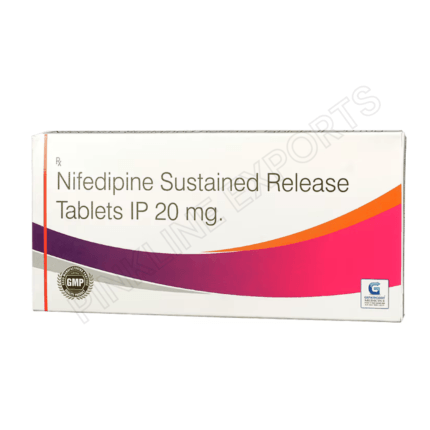

Nifedipine Tablets 10 Mg
$32.00 – $90.00Price range: $32.00 through $90.00
Nifedipine Tablets 10 Mg is a calcium channel blocker used to treat high blood pressure and angina by relaxing blood vessels and improving blood flow.
Description
Nifedipine Tablets 10 Mg
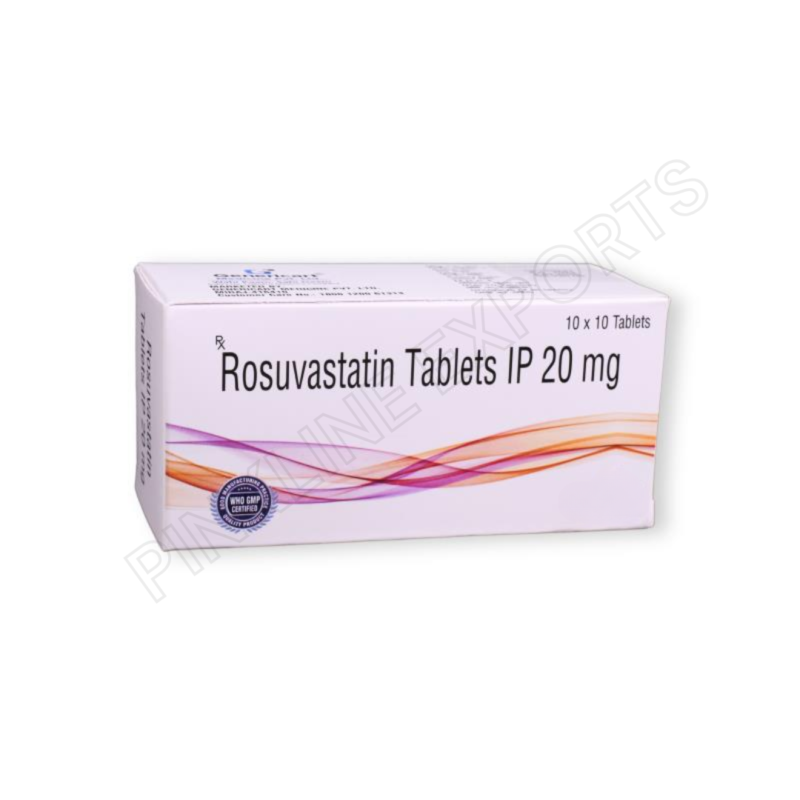
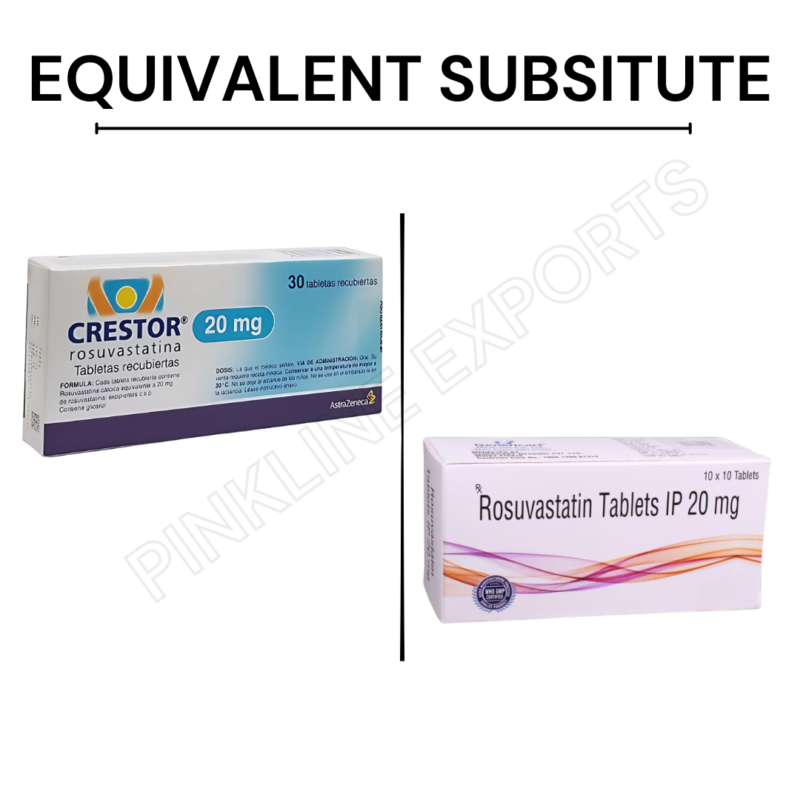
Nifedipine Tablets 10 Mg is a calcium channel blocker widely used in the treatment of hypertension (high blood pressure) and angina (chest pain). It works by relaxing and widening blood vessels, allowing blood to flow more easily and reducing the workload on the heart. This medication is often prescribed for rapid blood pressure control and for preventing angina episodes. It plays an important role in cardiovascular management, especially in patients who require effective vasodilation therapy. In comprehensive treatment plans, lipid-lowering agents such as Rosuvastin Calcium Tablets 10 Mg and Rosuvastin Calcium Tablets 20 Mg are often used alongside antihypertensives to manage overall cardiovascular risk.
Mechanism of Action
Calcium Channel Blockade
Nifedipine Tablets 10 Mg works by blocking calcium ions from entering vascular smooth muscle and heart cells, which is essential for muscle contraction.
Vasodilation Effect
This leads to relaxation of blood vessels, lowering blood pressure and improving oxygen supply to the heart. For clinical insights, refer to American Heart Association (AHA) and for safety guidance, consult Mayo Clinic – Nifedipine Drug Information.
Medical Uses
Nifedipine Tablets 10 Mg is used for:
- Management of hypertension
- Treatment and prevention of angina
- Control of certain vascular conditions
It is often used as part of a broader cardiovascular treatment plan.
Dosage and Administration
Nifedipine Tablets 10 Mg is typically taken as prescribed by a healthcare provider, with dosage frequency depending on the formulation and patient condition. It may be taken with or without food. In clinical practice, Rosuvastin Calcium Tablets 10 Mg is commonly used for cholesterol management, while Rosuvastin Calcium Tablets 20 Mg is prescribed for patients requiring stronger lipid control alongside blood pressure treatment.
Clinical Effectiveness
Clinical studies have shown that nifedipine effectively lowers blood pressure and reduces the frequency of angina attacks, improving overall cardiovascular outcomes when used consistently.
Safety and Side Effects
Common Side Effects
- Headache
- Flushing
- Dizziness
- Swelling of ankles (edema)
Serious Risks
- Severe hypotension
- Rapid heart rate (tachycardia)
- Worsening chest pain in rare cases
Regular monitoring is recommended during therapy. For more details, refer to Mayo Clinic – Nifedipine Drug Information.
Contraindications and Precautions
Nifedipine Tablets 10 Mg should be used with caution in:
- Patients with severe heart disease
- Individuals with low blood pressure
- Patients with liver impairment
A healthcare provider should evaluate the patient before starting treatment.
Drug Interactions
Nifedipine Tablets 10 Mg may interact with other antihypertensives, beta-blockers, and medications affecting liver enzymes. Patients should inform their healthcare provider about all medications they are taking. For further reading, refer to American Heart Association (AHA).
FAQs
Nifedipine Tablets 10 Mg is used to treat high blood pressure and angina. It helps improve blood flow and reduces the workload on the heart.
It works by blocking calcium channels in blood vessels, causing them to relax and widen, which lowers blood pressure and improves oxygen supply to the heart.
It is generally safe when taken as prescribed, but may cause side effects like headache and dizziness. Serious risks include low blood pressure and rapid heart rate, so monitoring is important.
Yes, but it may interact with other antihypertensive drugs and medications affecting liver enzymes. Always consult your doctor before combining it with other medicines.
It is usually taken long-term to control blood pressure and prevent angina, under medical supervision.