What Is Dorzolamide 2% Drop?
Dorzolamide 2% Drop is a prescription eye drop formulated with dorzolamide hydrochloride, a medication commonly used in ophthalmology to manage elevated intraocular pressure.
Increased pressure inside the eye is a major risk factor for glaucoma, a progressive condition that can lead to optic nerve damage and permanent vision loss if not properly treated. Managing intraocular pressure is one of the most important strategies in preventing disease progression.
Dorzolamide belongs to a group of drugs called carbonic anhydrase inhibitors, which reduce the production of aqueous humor, the fluid inside the eye.
According to the U.S. National Library of Medicine (MedlinePlus), dorzolamide ophthalmic solution is widely used to treat glaucoma and ocular hypertension by lowering intraocular pressure.
Reference: https://medlineplus.gov/druginfo/meds/a697062.html
How Dorzolamide Works
Dorzolamide works by inhibiting the enzyme carbonic anhydrase in the eye.
This enzyme plays a key role in the production of aqueous humor. By blocking its activity, the medication reduces fluid formation within the eye.
Its effects include:
• Decreased production of aqueous humor
• Lower intraocular pressure
• Reduced stress on the optic nerve
Unlike some other eye medications, dorzolamide primarily focuses on reducing fluid production rather than increasing drainage.
This mechanism makes it an effective option either as monotherapy or in combination with other pressure-lowering medications.
Medical Uses
Open-Angle Glaucoma
This ophthalmic solution is commonly used in the treatment of open-angle glaucoma, the most common form of glaucoma.
In this condition, fluid drainage from the eye is impaired, leading to increased pressure. Over time, this pressure can damage the optic nerve.
Lowering intraocular pressure helps slow disease progression and preserve vision.
Ocular Hypertension
Dorzolamide 2% Drop is also prescribed for ocular hypertension, where eye pressure is elevated without visible optic nerve damage.
Early management of intraocular pressure may help prevent the development of glaucoma.
The American Academy of Ophthalmology emphasizes that controlling intraocular pressure is essential for preventing vision loss in patients with glaucoma.
Role in Eye Care Treatment Plans
Effective management of intraocular pressure often involves a combination of medications.
For example, alpha-agonist therapies such as Alphagan P may be used to reduce fluid production and improve fluid drainage through a different mechanism.
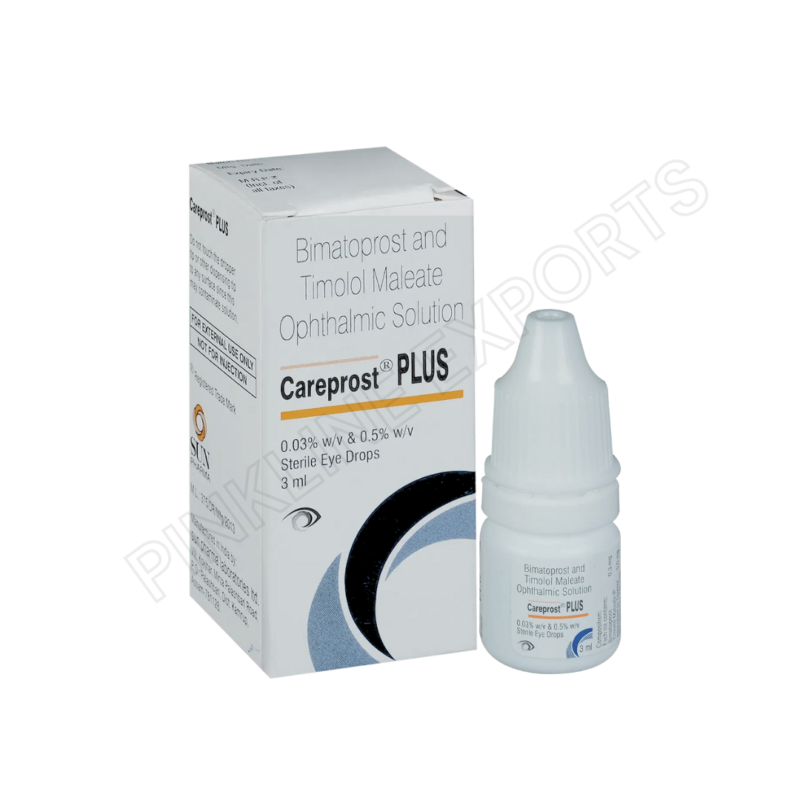
Similarly, prostaglandin analogs such as Careprost may be prescribed to increase fluid outflow and further reduce intraocular pressure.
Combining medications with different mechanisms of action can provide more effective pressure control in patients who do not respond adequately to a single therapy.
Dosage and Administration
Dorzolamide 2% Drop should be used according to the instructions provided by an eye care professional.
General usage guidelines include:
• Apply one drop into the affected eye(s)
• Usually administered two to three times daily
• Wash hands before and after use
• Avoid touching the dropper tip to prevent contamination
If multiple eye medications are used, patients should wait several minutes between applications.
Safety Information
Before using this medication, patients should inform their healthcare provider about their medical history and any medications they are currently taking.
This medication may not be suitable for individuals with:
• Severe kidney disease
• Allergies to sulfonamide medications
• Eye infections or inflammation
• Hypersensitivity to dorzolamide
FAQ’s

.svg)