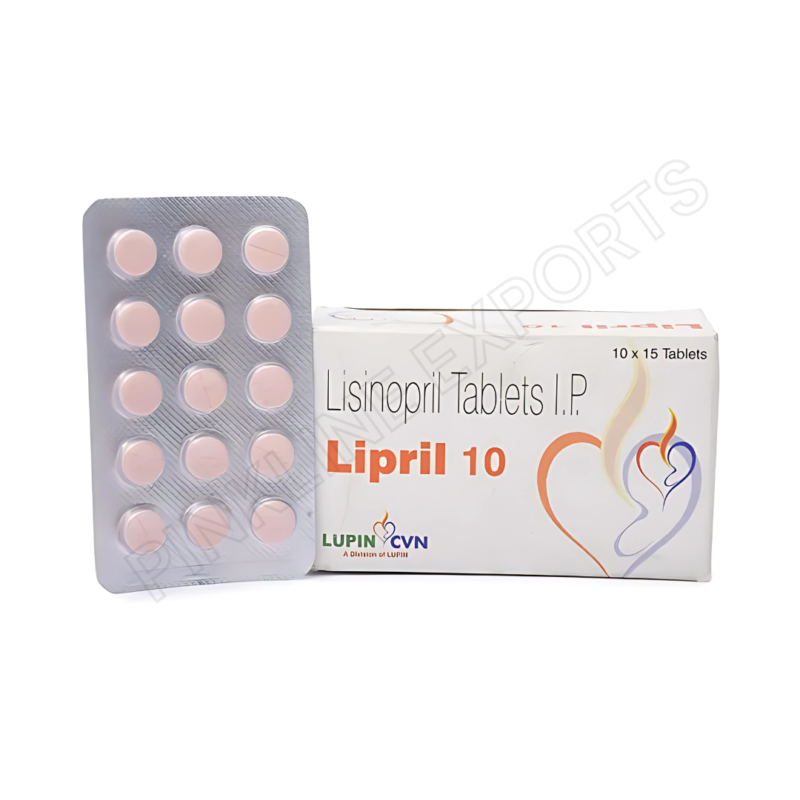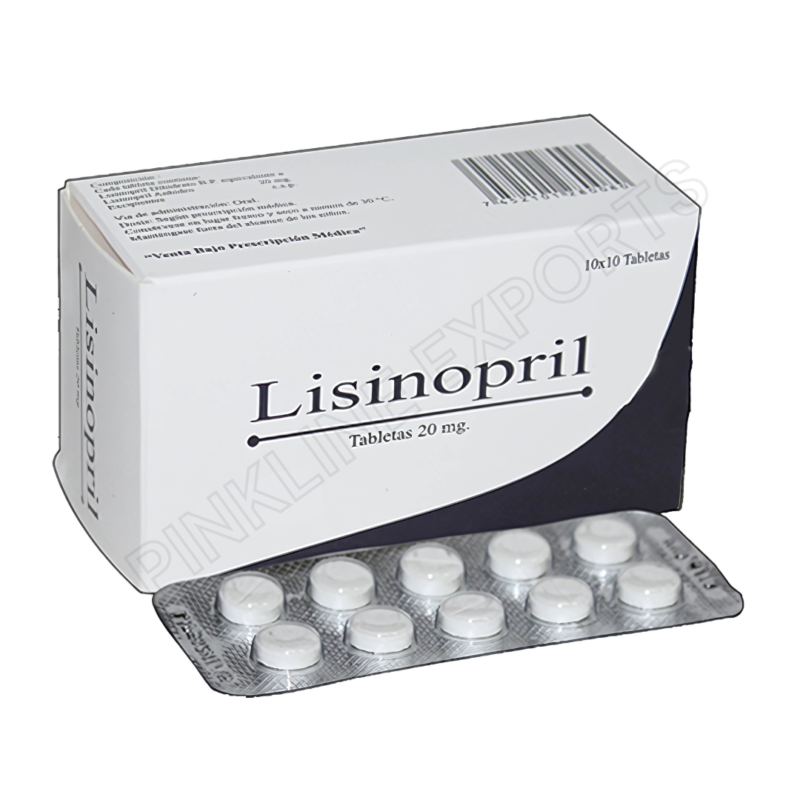

Lisinopril Tablets 2.5 Mg
$30.00 – $78.00Price range: $30.00 through $78.00
Lisinopril Tablets 2.5 Mg is a low-dose ACE inhibitor used to treat high blood pressure and heart conditions, often as an initial therapy.
Description
Lisinopril Tablets 2.5 Mg
Lisinopril Tablets 2.5 Mg is a low-dose angiotensin-converting enzyme (ACE) inhibitor used in the treatment of hypertension (high blood pressure), heart failure, and for improving survival after a heart attack. This lower-strength formulation is commonly used for initial therapy, especially in patients who require gradual dose titration or are sensitive to higher doses. It works by relaxing blood vessels, allowing easier blood flow and reducing strain on the heart. In treatment planning, moderate doses like Lisinopril Tablets 5 Mg are used for ongoing control, while higher strengths such as Lisinopril Tablets 20 Mg are prescribed for more intensive blood pressure management.
Mechanism of Action
ACE Inhibition
Lisinopril Tablets 2.5 Mg works by inhibiting the angiotensin-converting enzyme, reducing the formation of angiotensin II, which causes blood vessel constriction.
Vasodilation and Blood Pressure Control
This leads to relaxation of blood vessels, lowering blood pressure and improving overall circulation. For clinical insights, refer to American Heart Association (AHA) and for safety guidance, consult Mayo Clinic – Lisinopril Drug Information.
Medical Uses
Lisinopril Tablets 2.5 Mg is used for:
- Initial treatment of hypertension
- Management of heart failure
- Post-heart attack therapy
- Kidney protection in diabetic patients
It is often used as a starting dose before gradual titration.
Dosage and Administration
Lisinopril Tablets 2.5 Mg is usually taken once daily, with or without food, as prescribed by a healthcare provider. The dosage is adjusted based on blood pressure response and clinical condition. In practice, Lisinopril Tablets 5 Mg is often used as a follow-up dose, while Lisinopril Tablets 20 Mg may be prescribed for patients requiring stronger control.
Clinical Effectiveness
Clinical studies have shown that lisinopril effectively lowers blood pressure, improves heart function, and reduces the risk of cardiovascular events when used consistently and appropriately titrated.
Safety and Side Effects
Common Side Effects
- Dry cough
- Dizziness
- Fatigue
- Headache
Serious Risks
- Severe hypotension
- Kidney function changes
- High potassium levels
- Angioedema
Regular monitoring is recommended during therapy. For more details, refer to Mayo Clinic – Lisinopril Drug Information.
Contraindications and Precautions
Lisinopril Tablets 2.5 Mg should not be used in:
- Patients with a history of angioedema
- Pregnant women
- Patients with severe kidney impairment without supervision
A healthcare provider should evaluate the patient before starting treatment.
Drug Interactions
Lisinopril Tablets 2.5 Mg may interact with diuretics, NSAIDs, potassium supplements, and other antihypertensive drugs. Patients should inform their healthcare provider about all medications they are taking. For further reading, refer to American Heart Association (AHA).
FAQs
Lisinopril Tablets 2.5 Mg is used for treating high blood pressure, heart failure, and for improving survival after heart attacks. It is commonly prescribed as a starting dose for gradual treatment.
It works by blocking the ACE enzyme, reducing angiotensin II levels, which relaxes blood vessels and lowers blood pressure.
It is generally safe when used as prescribed, but may cause side effects like dizziness and dry cough. Serious risks include kidney issues and angioedema, so monitoring is important.
It can interact with diuretics, NSAIDs, and potassium supplements. Always inform your doctor about all medications you are taking.
It is usually taken long-term to maintain blood pressure control and protect heart health, under medical supervision.