furamist az nasal spray
Furamist Az Nasal Spray Price range: $23.50 through $105.00
Back to products
Seroflo 125
Seroflo 125 Price range: $25.00 through $100.00

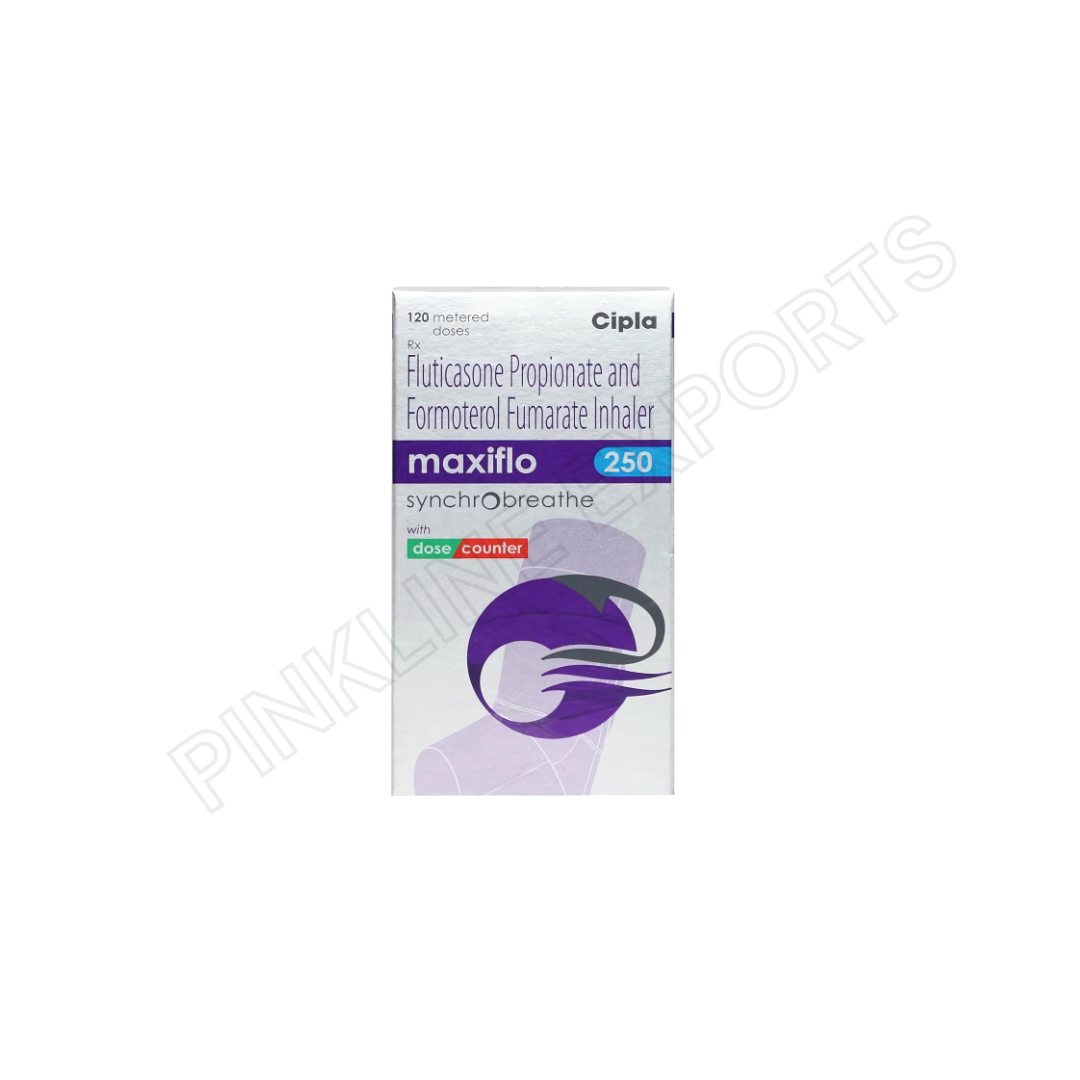
Maxiflo 250

Price range: $28.00 through $130.00

Maxiflo 250 is a prescription combination inhaler containing budesonide (an inhaled corticosteroid) and formoterol fumarate dihydrate (a long-acting bronchodilator). It is used for the long-term management of persistent asthma and, when clinically appropriate, chronic obstructive pulmonary disease (COPD). This combination helps reduce airway inflammation and maintain open airways for improved breathing and sustained symptom control under clinician supervision.

SKU: N/A Category:

Description

What Is Maxiflo 250?

Maxiflo 250 is an inhalation medicine that combines:

  • Budesonide — an inhaled corticosteroid (ICS) to reduce airway inflammation

  • Formoterol fumarate dihydrate — a long-acting beta-2 agonist (LABA) to relax airway muscles

This dual-action therapy is intended for daily maintenance treatment to improve lung function, reduce the frequency and severity of asthma symptoms, and help prevent exacerbations when used regularly as prescribed by a qualified healthcare provider. In select cases, it may also be used for COPD maintenance under clinician guidance.


How Maxiflo 250 Works

This combination inhaler provides benefit through two key mechanisms:

  1. Anti-inflammatory effects (Budesonide):
    Helps suppress persistent inflammation in the airways that contributes to asthma symptoms.

  2. Sustained bronchodilation (Formoterol):
    Relaxes bronchial smooth muscles, helping keep airways open for easier breathing.

The synergy between these components supports long-term control of respiratory symptoms, improving daily breathing comfort when used consistently as prescribed.

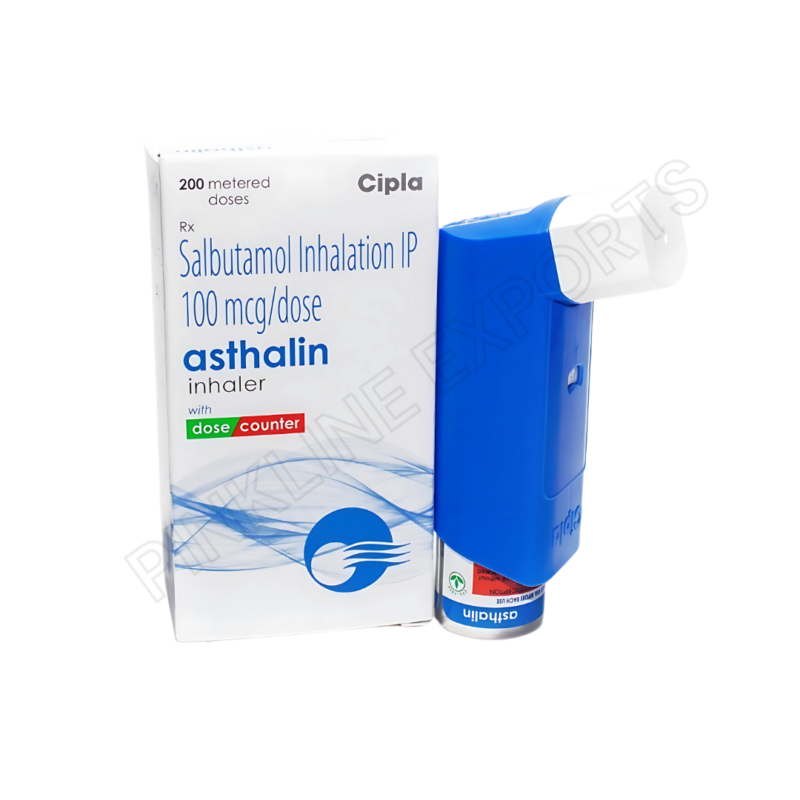
Fast-acting bronchodilator support therapy complements rescue inhalation management strategies like Asthalin Inhaler 200 MD for acute airway relief.


Indications

Maxiflo 250 is typically prescribed for:

  • Maintenance treatment of asthma

  • COPD maintenance (where clinically appropriate)

  • Prevention of symptom exacerbations

Use is always under the supervision of a qualified healthcare professional.


Usage & Administration

  • Use exactly as prescribed by your clinician

  • Typically administered twice daily

  • Rinse mouth after inhalation to reduce risk of irritation or oral yeast infection

  • Not intended as a rescue inhaler — use your designated rescue medication for acute symptoms

Follow your clinician’s instructions carefully to ensure proper use and maximum benefit.

Patient education on respiratory medication usage follows structured clinical guidance outlined in NHS – Asthma Inhalers Explained.


Safety Information & Precautions

Before using Maxiflo 250, inform your clinician if you have:

  • Heart disease or arrhythmias

  • High blood pressure

  • Thyroid disorders

  • Diabetes

  • History of frequent infections or immune issues

Important Safety Notes:

  • This product is intended for maintenance therapy, not emergency relief

  • Do not discontinue use without clinician guidance

  • Regular monitoring may be required


Possible Side Effects

Some side effects may occur, usually mild and transient:

  • Throat irritation

  • Hoarseness

  • Cough

  • Headache

  • Mild tremors

  • Oral yeast infection (rare)

If side effects are severe or persistent, contact your healthcare provider.


Drug Interactions

Tell your clinician about all medications and supplements, especially:

  • Other corticosteroids

  • LABA/SABA bronchodilators

  • Beta-blockers

  • Antidepressants

  • Antifungal drugs

Interactions may impact effectiveness or increase risk of side effects.


Use in Special Populations

Pregnancy & Breastfeeding:
Discuss potential benefits and risks with your clinician.

Pediatric Use:
Should be determined and supervised by a qualified healthcare provider.

Elderly:
Age-related factors may require monitoring.


Monitoring & Follow-Up

Your healthcare provider may assess:

  • Lung function tests or peak flow readings

  • Symptom frequency and severity

  • Side effects

  • Overall inhaler technique

Maintenance-based combination inhalation therapy monitoring is clinically supported through controller treatments such as Foracort Inhaler 200.

Storage Instructions

    • Store at room temperature (below 25 °C)

    • Protect from moisture and direct sunlight

    • Keep out of reach of children

    • Do not use past expiry date

      FAQs

1 What is Maxiflo 250 Inhaler used for?

Maxiflo 250 Inhaler is a prescription inhalation medicine used to manage chronic respiratory conditions like asthma and chronic obstructive pulmonary disease (COPD). It combines medications that help reduce airway inflammation and relax muscles in the lungs, making it easier to breathe and reducing symptoms like wheezing, coughing, and shortness of breath.

2How does Maxiflo 250 Inhaler work?

Maxiflo 250 contains a corticosteroid and a long-acting bronchodilator. The corticosteroid helps decrease swelling and irritation in the airways, while the bronchodilator relaxes the airway muscles to improve airflow. Together, these actions help control chronic respiratory symptoms and prevent flare-ups when used regularly.


3 How should I use Maxiflo 250 Inhaler?

Shake the inhaler well before use. Exhale fully, place the mouthpiece in your mouth, press down on the inhaler while inhaling slowly and deeply, then hold your breath for a few seconds before exhaling. Use it exactly as your doctor prescribes — usually twice a day — even if your symptoms are mild.


4 How long does it take for Maxiflo 250 Inhaler to work?

Some patients notice improvement in breathing within a few days, but the full benefits typically develop after 1–2 weeks of regular use. Maintenance inhalers like Maxiflo are most effective when taken consistently, as directed by your doctor.


5 Is Maxiflo 250 Inhaler a rescue inhaler?

No — Maxiflo 250 Inhaler is not a rescue inhaler for sudden asthma or COPD attacks. It’s designed for routine daily control of inflammation and symptoms. For sudden breathlessness, you should use a fast-acting rescue inhaler (e.g., salbutamol) as advised by your physician.

RELATED PRODUCTS