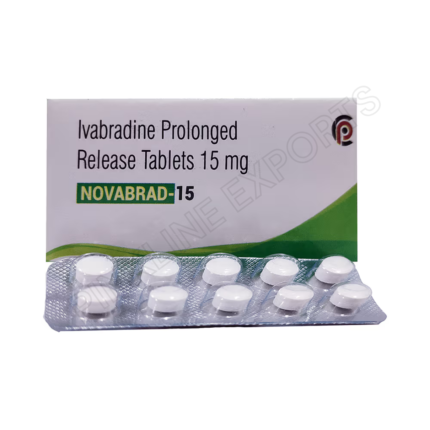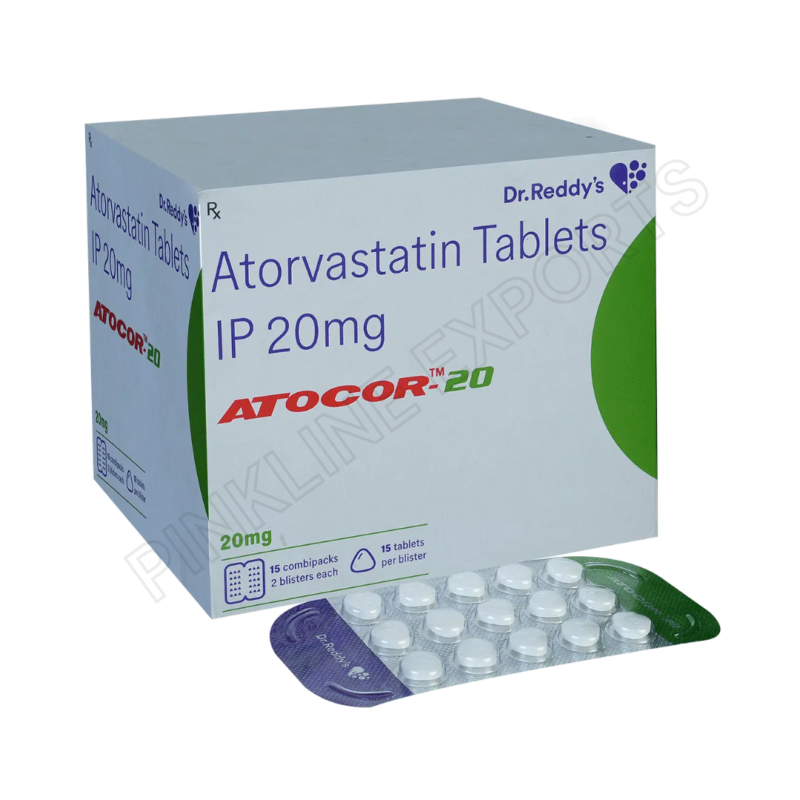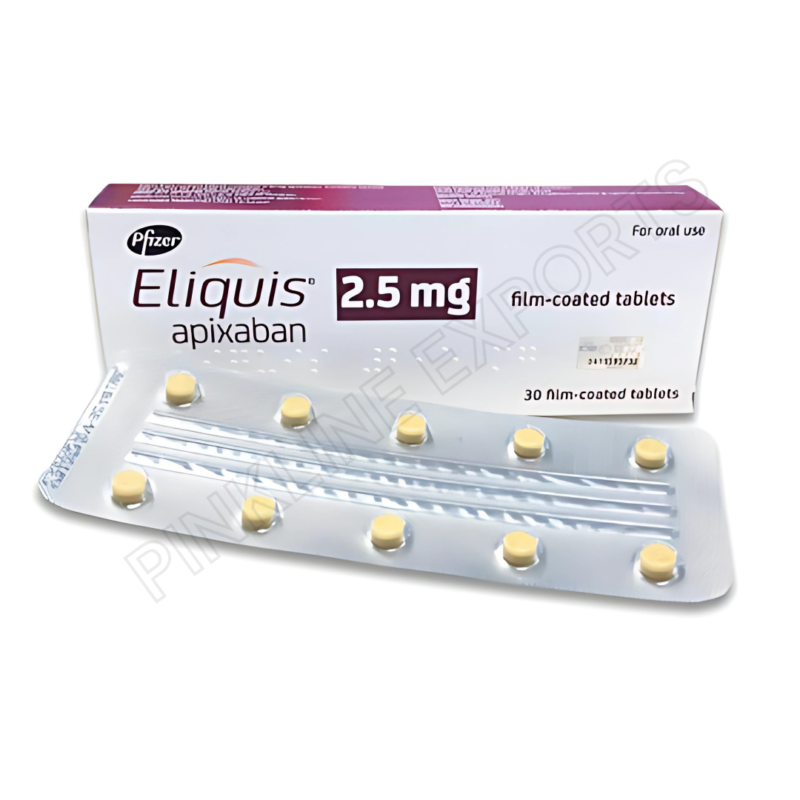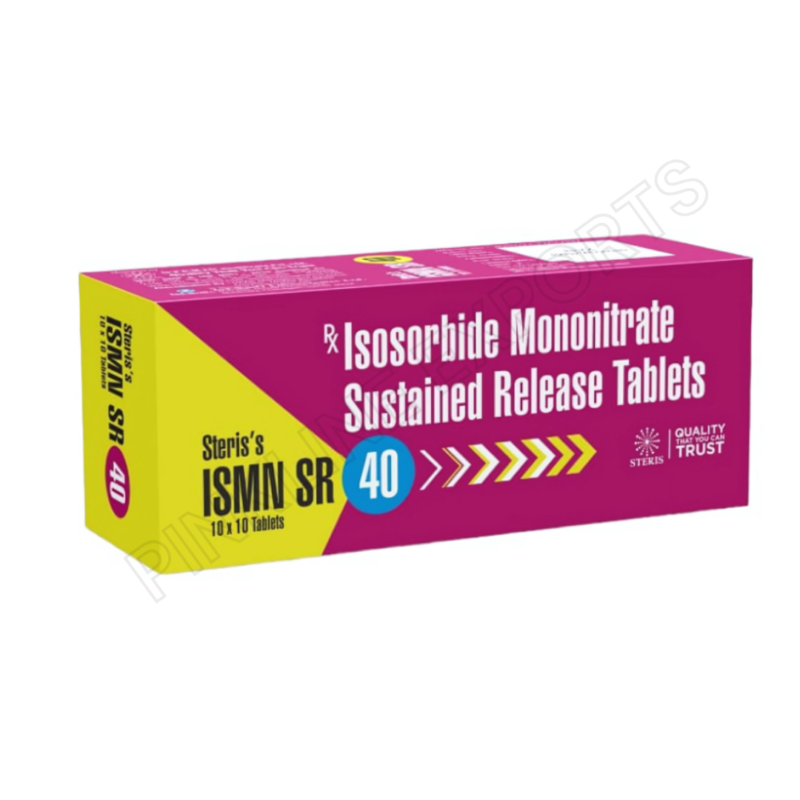

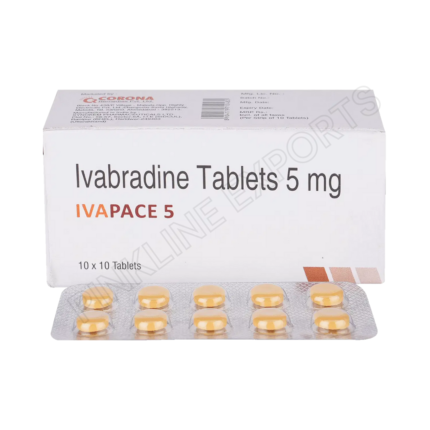
Ivabradine Tablets 10 Mg
$62.00 – $180.00Price range: $62.00 through $180.00
Ivabradine Tablets 10 Mg is a prescription medication used for chronic heart failure and stable angina. It lowers heart rate by selectively acting on the heart’s pacemaker cells, improving cardiac efficiency and reducing hospitalizations. Used under medical supervision, it supports long-term cardiovascular management.
Description
Ivabradine Tablets 10 Mg – Comprehensive Cardiovascular Overview
Ivabradine Tablets 10 Mg is a prescription cardiovascular medication used to manage chronic heart failure and certain cases of stable angina. It works by specifically lowering heart rate without affecting blood pressure significantly, making it a targeted therapy for patients who require heart rate control.
Chronic heart failure occurs when the heart cannot pump blood efficiently. Controlling heart rate plays a vital role in improving cardiac function, reducing hospitalizations, and enhancing long-term survival outcomes.
Global cardiovascular guidelines recognize heart rate reduction as an important therapeutic strategy. Authoritative medical references include:
How Ivabradine Tablets 10 Mg Works
Ivabradine Tablets 10 Mg works through selective inhibition of the If (funny) channel in the sinoatrial node of the heart.
1. Slows Heart Rate
It reduces spontaneous pacemaker activity in the heart.
2. Improves Cardiac Efficiency
A slower heart rate allows the heart more time to fill and pump effectively.
3. Reduces Oxygen Demand
Lower heart rate reduces myocardial oxygen consumption.
4. Supports Heart Failure Management
Helps decrease hospital admissions in eligible patients with chronic heart failure.
Unlike beta blockers, Ivabradine does not significantly reduce blood pressure or myocardial contractility.
Renin–angiotensin system–based cardiovascular care approaches may integrate Losartan Potassium Tablets 25 Mg into structured treatment planning.
Indications of Ivabradine Tablets 10 Mg
A healthcare professional may prescribe Ivabradine Tablets 10 Mg for:
Chronic heart failure with reduced ejection fraction
Stable angina in patients intolerant to beta blockers
Heart rate control when resting heart rate remains elevated
It must be used under strict medical supervision.
Comprehensive cardiovascular risk management strategies may include Losartan Potassium Tablets 50 Mg as part of integrated therapy planning.
Dosage & Administration
Typically taken twice daily with meals
Swallow tablet whole with water
Dosage is adjusted based on resting heart rate
Do not stop suddenly without consulting a doctor
Always follow prescribed dosage instructions.
Safety Information & Precautions
Before using Ivabradine Tablets 10 Mg, inform your doctor if you have:
Severe liver disease
Low resting heart rate
Blood pressure abnormalities
Pacemaker dependence
Retinal disorders
Asthma treatment strategies are based on evidence-based clinical data published by leading public health authorities like the CDC.
Important Safety Warning
Ivabradine may cause visual disturbances (temporary brightness in vision). Avoid driving if vision changes occur.
Not recommended during pregnancy unless clearly prescribed.
Possible Side Effects
Common side effects include:
Slow heart rate (bradycardia)
Temporary visual brightness (phosphenes)
Dizziness
Fatigue
Headache
Seek immediate medical attention if severe bradycardia or irregular heartbeat occurs.
Drug Interactions
Ivabradine Tablets 10 Mg may interact with:
Strong CYP3A4 inhibitors
Certain antibiotics and antifungals
Other heart rate–lowering drugs
Calcium channel blockers
Always inform your healthcare provider about all medications taken.
Monitoring & Follow-Up
Patients using Ivabradine Tablets 10 Mg require:
Regular heart rate monitoring
ECG evaluation
Blood pressure checks
Heart failure symptom assessment
Consistent monitoring improves treatment safety and effectiveness.
FAQs
Ivabradine Tablets 10 Mg is a prescription medication used to treat chronic heart failure and certain cases of stable angina (chest pain). It helps reduce an elevated resting heart rate in patients whose heart is not pumping efficiently, improving overall cardiac performance and reducing hospitalizations.
Ivabradine works by selectively blocking the If (funny) channel in the sinoatrial node, which is the heart’s natural pacemaker. By slowing the heart rate without significantly lowering blood pressure, it allows the heart more time to fill and pump blood effectively.
This medication is usually prescribed for adults with chronic heart failure with reduced ejection fraction or patients with stable angina who cannot tolerate beta blockers. Your doctor will determine if the 10 mg dose is appropriate based on your resting heart rate and medical history.
Ivabradine Tablets 10 Mg is typically taken twice daily with meals. Swallow the tablet whole with water and take it at the same times each day. Always follow your doctor’s prescribed dosage and do not stop the medication suddenly without medical advice.
Common side effects may include slow heart rate (bradycardia), dizziness, fatigue, headache, and temporary visual brightness (phosphenes). These effects are usually mild but should be reported if persistent or bothersome.