Introduction to Bupropion 150 Mg
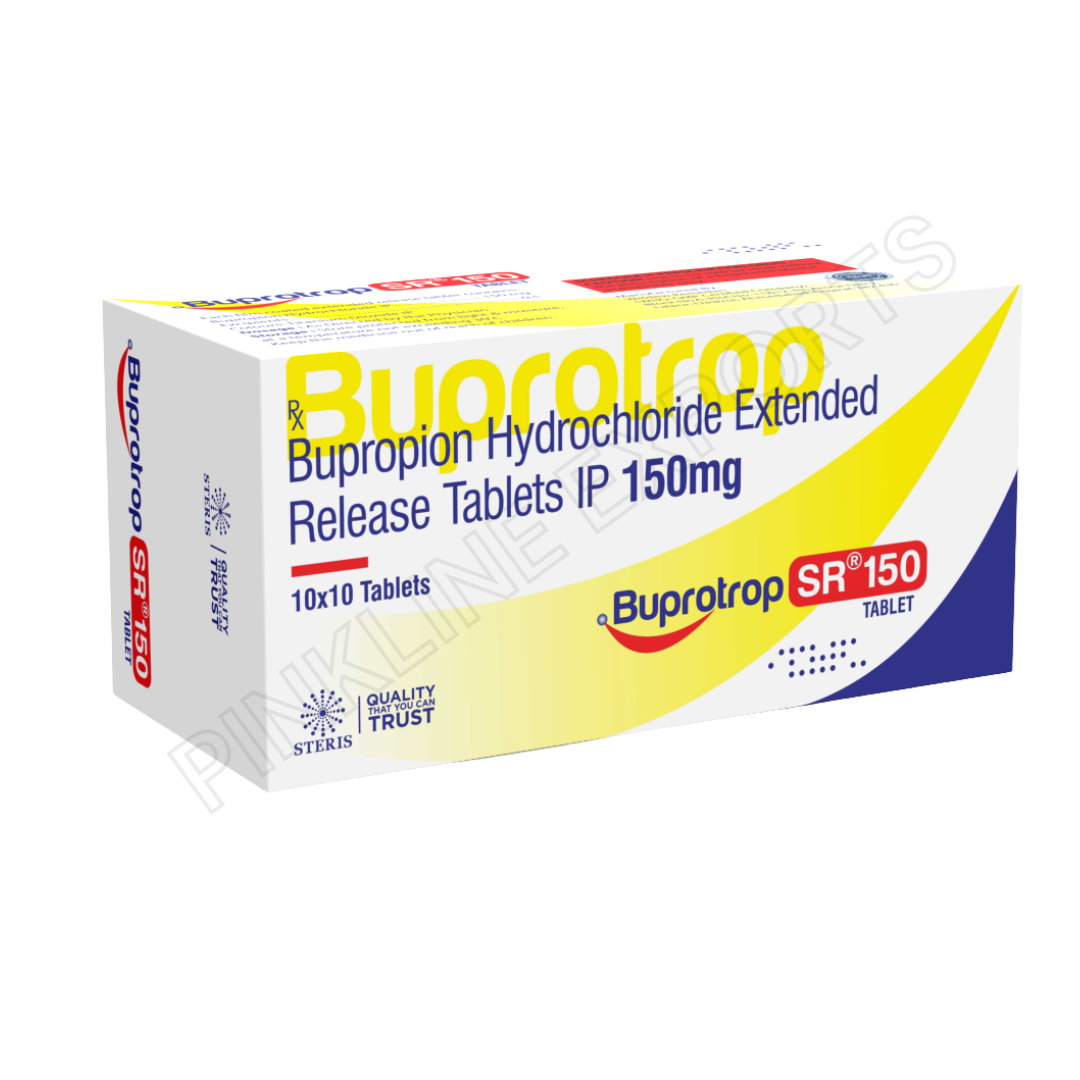
Bupropion 150 Mg is a clinically established antidepressant used in the management of mood disorders. It is classified pharmacologically as a norepinephrine-dopamine reuptake inhibitor. Unlike many serotonergic antidepressants, this medication primarily affects dopamine and norepinephrine pathways, which play central roles in mood regulation, energy levels, and motivation. Because of its distinct mechanism, it is frequently considered in patients who may not tolerate other antidepressant classes.
Bupropion 150 Mg is commonly prescribed in extended-release formulations that allow once-daily dosing. Treatment decisions should always be guided by a qualified healthcare professional who can assess individual risk factors, comorbidities, and concurrent therapies.
Mechanism of Action
Neurotransmitter Modulation
Bupropion 150 Mg works by inhibiting the reuptake of norepinephrine and dopamine in the brain. By preventing these neurotransmitters from being reabsorbed too quickly, the medication increases their availability in synaptic spaces, which supports improved communication between nerve cells involved in mood and motivation.
Distinction from SSRIs and SNRIs
Unlike selective serotonin reuptake inhibitors (SSRIs) and serotonin-norepinephrine reuptake inhibitors (SNRIs), Bupropion 150 Mg does not significantly affect serotonin levels. This difference contributes to a unique side-effect profile and may reduce the likelihood of certain adverse effects seen with serotonergic medications.
Approved Medical Uses
Major Depressive Disorder
Bupropion 150 Mg is approved for treating major depressive disorder, a condition characterized by persistent low mood, loss of interest in activities, fatigue, and impaired concentration. Clinical studies have shown improvement in depressive symptoms with consistent use under medical monitoring.
Seasonal Affective Disorder
Extended-release formulations are also indicated for seasonal affective disorder, where depressive episodes typically occur during certain times of the year, often in winter months.
Dosage and Administration
Standard Adult Dosing
Treatment commonly begins with 150 mg once daily, usually taken in the morning. Based on response and tolerability, clinicians may adjust the regimen. Tablets should be swallowed whole and not crushed or split, particularly in extended-release forms.
Missed Dose Guidance
If a dose is missed, patients should take it when remembered unless it is close to the next scheduled dose. Doubling doses is not recommended due to increased risk of adverse reactions.
Clinical Effectiveness
Clinical trials have demonstrated that Bupropion 150 Mg provides meaningful reductions in depressive symptom scores compared with placebo. Improvement may begin within several weeks, with continued benefit observed over longer treatment durations when adherence is maintained.
Safety and Side Effects
Common Side Effects
Patients may experience:
Dry mouth
Headache
Nausea
Insomnia
Dizziness
Increased sweating
These effects are often mild to moderate and may decrease as the body adjusts.
Serious Risks
Though uncommon, more serious reactions can occur:
Seizure Risk
Dose-dependent seizure risk is a known concern, particularly in individuals with a history of seizures or certain medical conditions.
Blood Pressure Changes
Increases in blood pressure have been reported; monitoring may be required in patients with cardiovascular conditions.
Mood and Behavior Changes
Young adults starting antidepressant therapy should be monitored for worsening mood or unusual behavioral changes.
Safety details available at : Mayo Clinic
Contraindications and Precautions
Bupropion 150 Mg should not be used in individuals with:
Seizure disorders
Current or prior eating disorders such as bulimia or anorexia nervosa
Abrupt withdrawal from alcohol or sedatives
Concurrent monoamine oxidase inhibitor therapy
A full medical history should be reviewed before initiating treatment.
Drug Interactions
Bupropion 150 Mg may interact with medications that influence liver enzymes, other antidepressants, antipsychotics, and stimulants. Combining therapies that lower seizure threshold requires careful evaluation by a healthcare provider.
Storage Recommendations
Store at room temperature between 20°C and 25°C, protected from moisture and direct heat. Keep medication in its original packaging and out of reach of children.
Frequently Asked Questions

.svg)












Reviews
There are no reviews yet.