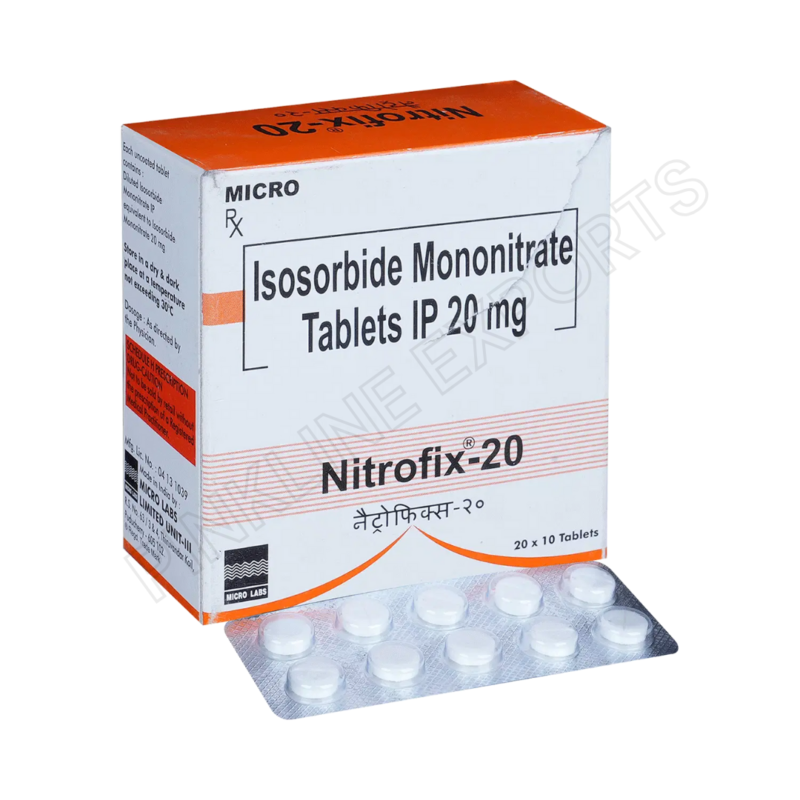
What Is Atorvastatin & Aspirin Tablets 10/150 Mg?
Atorvastatin & Aspirin Tablets 10/150 Mg is an oral fixed-dose combination medicine designed to support cardiovascular protection. It contains:
Atorvastatin 10 mg – A statin medication that lowers LDL (“bad”) cholesterol and triglycerides while modestly increasing HDL (“good”) cholesterol.
Aspirin 150 mg – An antiplatelet agent that reduces platelet aggregation and lowers the risk of clot formation.
This combination therapy is frequently prescribed for patients with coronary artery disease, a history of myocardial infarction, stroke risk, or multiple cardiovascular risk factors such as diabetes, hypertension, or dyslipidemia.
How Atorvastatin & Aspirin Tablets 10/150 Mg Works
This combination medication provides complementary cardiovascular protection:
1. Cholesterol Reduction (Atorvastatin)
Atorvastatin inhibits HMG-CoA reductase, an enzyme involved in cholesterol synthesis in the liver. This leads to:
Lower LDL cholesterol
Reduced triglycerides
Improved lipid profile
Lower cholesterol helps slow plaque buildup in arteries.
2. Antiplatelet Action (Aspirin)
Aspirin irreversibly inhibits platelet cyclooxygenase (COX-1), reducing thromboxane A2 production and preventing platelet aggregation. This helps lower clot formation risk.
3. Dual Cardiovascular Protection
Together, these actions help reduce the risk of heart attack, stroke, and other cardiovascular complications when used appropriately.
Therapeutic decisions should always be made in consultation with a qualified healthcare provider.
Indications
A healthcare provider may recommend Atorvastatin & Aspirin Tablets 10/150 Mg for:
Secondary prevention of myocardial infarction
Stroke prevention in high-risk individuals
Management of dyslipidemia with cardiovascular risk
Coronary artery disease management
Patients with diabetes and multiple cardiovascular risk factors
This product is intended for long-term cardiovascular risk reduction under clinician supervision.
Usage & Administration
Important: Follow use directions provided by your healthcare professional.
Take exactly as prescribed
Swallow whole with water
Usually taken once daily
May be taken with or without food
Do not exceed recommended dosage
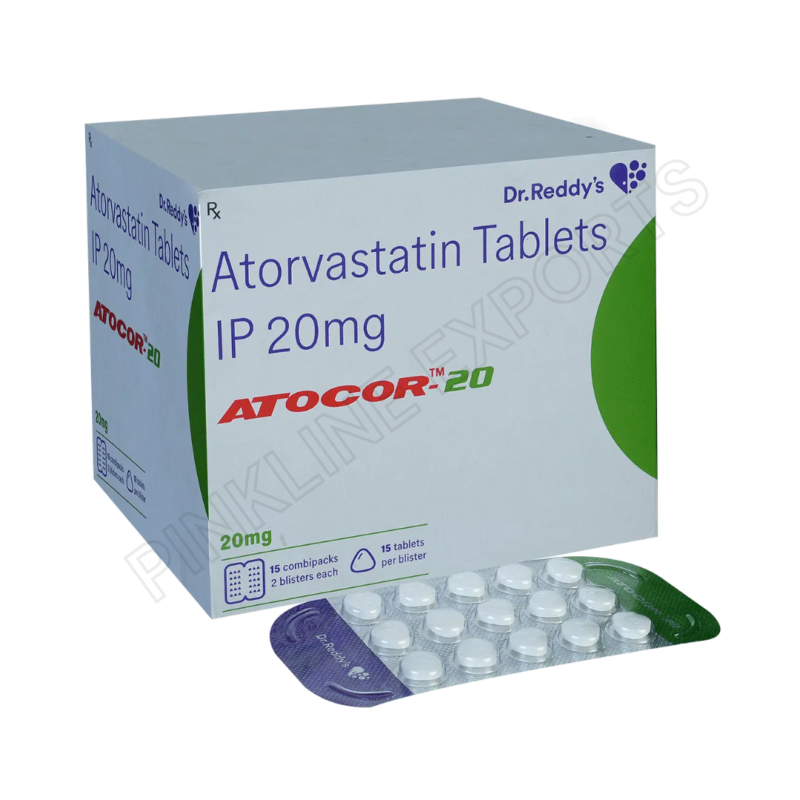
Cholesterol management therapy planning may also include statin-based lipid regulation support such as Atorvastatin Tablets 10 Mg.
Safety Information & Precautions
Before using this medication, inform your clinician if you have:
Liver disease
History of gastrointestinal ulcers
Bleeding disorders
Kidney impairment
Muscle disorders
Allergy to NSAIDs or statins
Asthma treatment strategies are based on evidence-based clinical data published by leading public health authorities like the CDC.
Important Safety Notes
Statins may affect liver enzymes
Aspirin may increase bleeding risk
Regular monitoring may be required
Avoid excessive alcohol consumption
Possible Side Effects
This combination may occasionally cause:
Gastrointestinal discomfort
Muscle pain or weakness
Nausea
Easy bruising
Headache
Serious but uncommon effects may include:
Liver enzyme abnormalities
Severe muscle injury (rare)
Gastrointestinal bleeding
If symptoms are severe or persistent, seek medical evaluation promptly.
Drug & Product Interactions
Consider the following:
May interact with anticoagulants
Use caution with other cholesterol-lowering agents
Avoid combining with high-dose NSAIDs
Inform clinician about herbal supplements
Advanced dyslipidemia management protocols may incorporate dual-mechanism lipid-lowering therapy using Atorvastatin & Ezetimibe Tablets 10/10 Mg.
Use in Special Populations
Children
Use should be guided strictly by a healthcare professional.
Pregnancy & Breastfeeding
Statins are generally not recommended during pregnancy. Consult your healthcare provider.
Elderly Patients
May require dose adjustments and monitoring for bleeding risk.
Monitoring & Follow-Up
Regular follow-up with your clinician can help:
Monitor lipid levels
Check liver function tests
Assess bleeding risk
Adjust therapy as needed
Routine laboratory monitoring may be recommended.
Lifestyle & Patient Guidance
Maintain a heart-healthy diet
Engage in regular physical activity
Avoid smoking
Limit alcohol intake
Attend regular medical check-ups
Medication works best when combined with lifestyle modifications.
Storage Instructions
Store in a cool, dry place below 25 °C
Protect from direct sunlight
Keep out of reach of children
Do not use past the expiry date
FAQs

.svg)