.svg)

International Medicine Shipping: Customs, Prescription & Delivery Process Explained

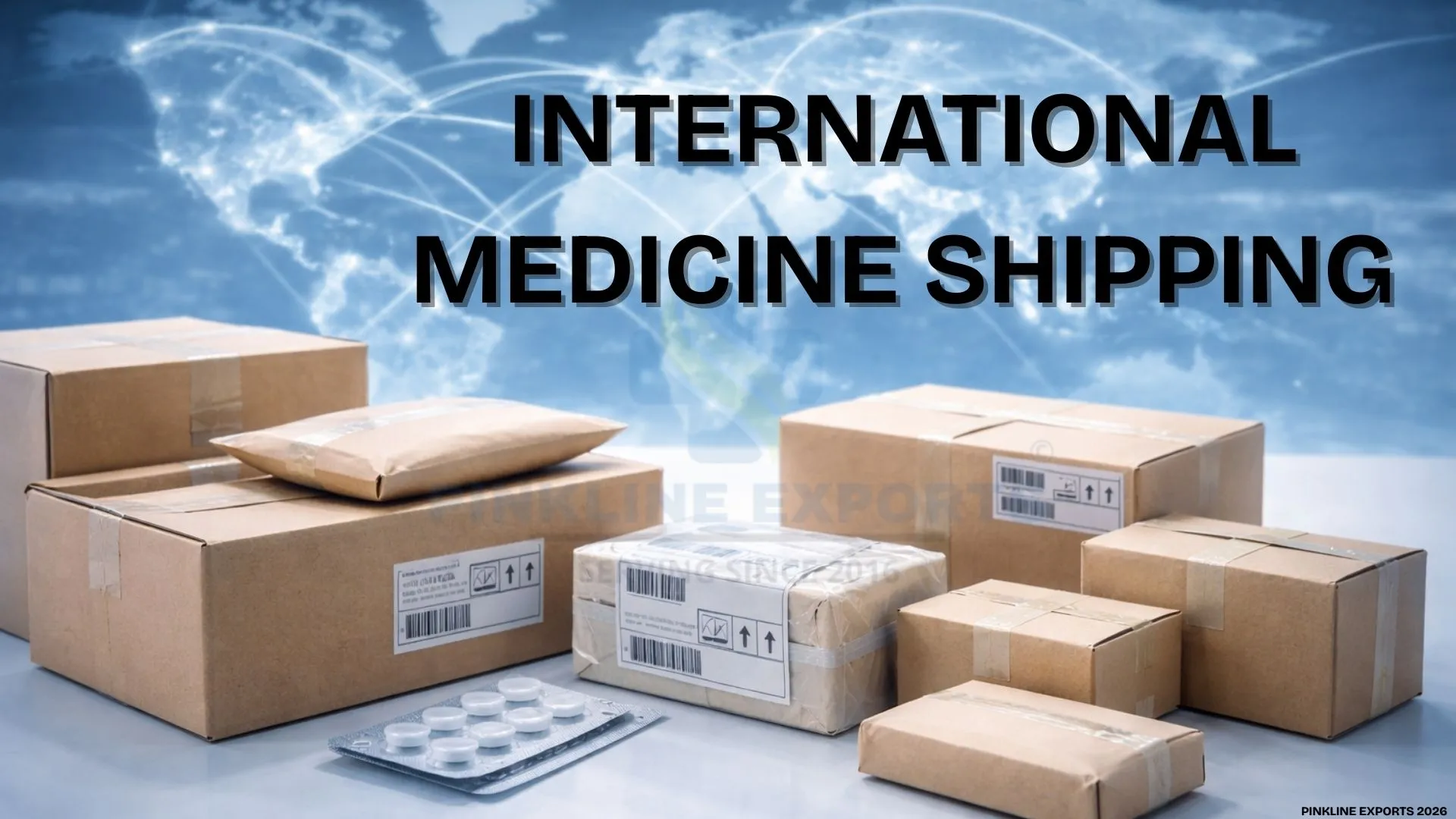
International Medicine Shipping: Customs, Prescription & Delivery Process Explained
Medically reviewed by: Dr K. Narayanmurthy (MD)
Sources referenced: U.S. FDA, CDC, Swissmedic
Posted On: 15Th January 2026
As global healthcare expands, more patients than ever depend on medicines sourced from outside their home country. Whether it is due to non-availability, delayed approvals, or major price differences between markets, international medicine shipping has become a vital part of modern patient care.
Educational content only. Not a substitute for professional medical care.
Why Patients Use International Medicine Shipping
Many medicines are sold at very different prices depending on the country. In some markets, advanced therapies or long-term treatments may cost several times more than in others. This leads patients to look internationally for access to the same medically approved treatments.
In addition, certain medicines may not yet be available locally due to regulatory timelines, manufacturing limits, or supply shortages. International access helps patients continue treatment without interruption.

How International Medicine Shipping Starts
The process begins when a patient places an order for a medicine that has been prescribed by their doctor. The medicine is prepared in regulated pharmaceutical packaging and paired with medical and export documentation.
Because medicines are regulated healthcare products, they cannot be shipped like ordinary goods. Each parcel must be supported by valid paperwork before it is allowed to leave the exporting country.
Why a Prescription Is Mandatory
A doctor’s prescription is the legal and medical foundation of international medicine shipping. It proves that the medicine is intended for a real patient and that the dosage is medically appropriate.
The prescription must include the patient’s name, doctor’s details, medicine name, dosage, and strength. These details must match what is written on the shipping label and what is packed inside the parcel. Customs authorities use this information to verify personal medical use.
How Customs Clearance Works
Every shipment passes through customs and health authorities in the destination country. Most countries allow patients to import up to three months of prescription medicine for personal use. Some countries, such as Switzerland and Japan, allow only one month.
Customs officers check:
Prescription validity
Medicine name and quantity
Local import rules
If documents are missing or inconsistent, the parcel may be delayed, held for verification, or returned.

How Medicines Are Delivered
Once cleared, medicines are shipped through secure international postal channels.
Express Mail Service (EMS) is the most widely used option. It is available in most countries, delivers in 7 to 15 working days, and provides online tracking.
Registered Mail Service (RMS) is a slower but reliable option, typically delivering within 15 to 25 working days and serving most major countries.
How Medicine Quality Is Protected
Many medicines are sensitive to heat, moisture, and light. Professional exporters use medical-grade packaging, temperature-controlled boxes, and pharmaceutical handling standards to ensure the medicine remains safe and effective throughout its journey.

How to Choose a Safe International Pharmacy
Patients should always verify who they are ordering from. A legitimate international pharmacy or exporter should:
Have visible profiles on LinkedIn, Instagram, Facebook, and X
Provide proof of licensing and regulatory registration
Be legally registered as a business in its home country
Offer worldwide shipping with customs and prescription handling
These checks help protect patients from counterfeit medicines and unsafe sellers.