.svg)



2026 Flu Symptoms, Influenza A, Strains & Prevention Guide | Pinkline Exports


2026 Flu Symptoms, Strains & Prevention — Medically Reviewed Guide
Medically reviewed by: Dr K. Narayanmurthy (MD)
Sources referenced: World Health Organization (WHO), Centers for Disease Control and Prevention (CDC), National Institutes of Health (NIH)
Last updated: January 2026
Educational content only. Not a substitute for professional medical care.
Understanding the 2026 Flu Season
Seasonal influenza (flu) remains one of the most common viral respiratory illnesses worldwide. While the virus changes slightly every year, global health organizations such as the World Health Organization (WHO) and CDC continuously monitor circulating influenza strains to help guide prevention strategies, including vaccine updates.
Search interest in terms like “flu symptoms 2026,” “influenza A,” and “new flu strains” has increased due to heightened awareness and seasonal outbreaks, but most influenza activity still follows predictable global patterns.
What Is the Flu?
Influenza is a contagious respiratory infection caused by influenza viruses that affect the nose, throat, and lungs. It spreads easily during seasonal outbreaks, especially in colder months and crowded environments.
Flu viruses mutate gradually through a process known as antigenic drift, which is why immunity from past infections or older vaccines does not always provide full protection.
How the Flu Spreads
According to WHO and CDC surveillance data, influenza spreads mainly through:
• Respiratory droplets released when infected people cough, sneeze, or talk
• Close personal contact
• Touching contaminated surfaces and then touching the face
The virus can spread one day before symptoms begin and up to five to seven days after infection.

Flu Symptoms in 2026
Most people experience symptoms within 1–4 days after exposure.
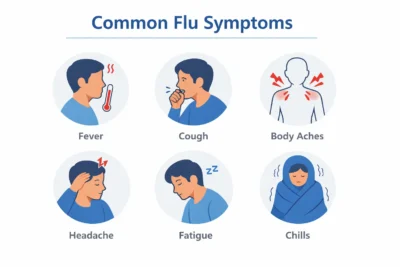
Common Flu Symptoms
• Sudden fever
• Chills
• Headache
• Muscle and joint pain
• Dry cough
• Sore throat
• Fatigue
• Runny or blocked nose
Less Common Symptoms
• Dizziness
• Nausea or vomiting (more common in children)
• Chest discomfort
• Prolonged exhaustion
Influenza A and Seasonal Severity
Most global flu outbreaks are caused by Influenza A viruses. These strains mutate more frequently, which is why they dominate seasonal epidemics.
Influenza A infections are often associated with:
• Higher fever
• More severe muscle aches
• Stronger cough
• Greater risk for complications in older adults, children, pregnant people, and immunocompromised individuals
What About “Super Flu” and Virus Subclades?
Terms such as “super flu” and “new subclade” are often used in the media to describe seasons when flu spreads faster or causes more hospitalizations. These are not medical diagnoses.
Health agencies track genetic variations (subclades) of influenza viruses to ensure vaccines remain effective. However, new subclades do not automatically mean the virus is more dangerous — they are part of normal viral evolution.
Flu vs Common Cold
| Feature | Flu | Common Cold |
|---|---|---|
| Fever | High, sudden | Rare or mild |
| Body aches | Severe | Mild |
| Fatigue | Extreme | Mild |
| Cough | Dry, persistent | Mild |
| Recovery | 1–2 weeks | Few days |
Prevention in 2026

1. Seasonal Flu Vaccination
The annual flu shot remains the most effective way to prevent severe influenza. Vaccines are updated each year to match circulating strains identified by WHO and CDC surveillance.
Benefits include:
• Lower risk of severe illness
• Reduced hospitalization
• Community protection
2. Antiviral Treatment
When taken early (within 48 hours), antiviral medications can reduce flu severity and complications. Commonly prescribed antivirals include:
• Oseltamivir (Tamiflu®)
• Baloxavir marboxil (Xofluza®)
• Zanamivir (Relenza®)
• Peramivir (Rapivab®)
These medications should only be used under medical guidance.
3. Home Care and Recovery
Supportive care is essential:
• Rest
• Hydration
• Fever management
• Nutritious food
• Isolation while symptomatic
When to See a Doctor
Seek medical help if you experience:
• Difficulty breathing
• Persistent high fever
• Chest pain
• Confusion
• Severe weakness
• Worsening symptoms after initial improvement
Frequently Asked Questions
1. What are the most common flu symptoms in 2026?
Fever, body aches, fatigue, cough, headache, and sore throat.
2. Is the flu more dangerous in 2026?
Severity varies each season, but Influenza A remains the dominant strain globally.
3. Does the flu shot still work?
Yes. Vaccines are updated annually to match circulating strains.
4. How long does the flu last?
Most recover in 7–14 days, though fatigue can last longer.
5. Can healthy adults get severe flu?
Yes. While high-risk groups are more vulnerable, anyone can develop complications.
Final Thoughts
The flu continues to evolve, but prevention strategies remain reliable. Annual vaccination, early treatment, and good hygiene are the most effective ways to stay protected during the 2026 flu season.
This article is written by Pinkline Exports Medical content team and reviewed for accuracy by an independent physician.